


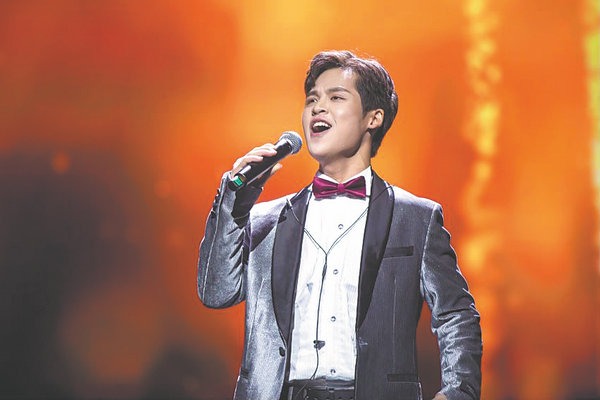
The Tsinghua International Students & Scholars' Gala Night, affectionately known as the "Gala Night", has been a cherished tradition for over three decades.
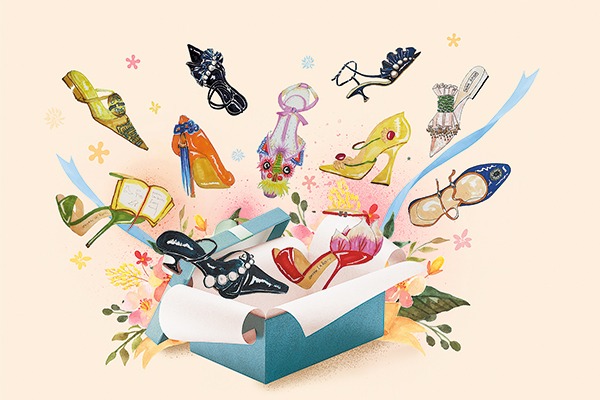
In the 1988 novel The Alchemist by Brazilian author Paulo Coelho, a shepherd boy yearns to travel in search of worldly treasure, only to discover his "personal legend" — his true calling in life, which brings him happiness and fulfillment. This story has inspired numerous readers worldwide to listen to their hearts and, most importantly, to pursue their dreams.

If you had the chance to travel to Jilin province in Northeast China, how would you plan your schedule?

Zhang Chenhui finds great delight in exploring universities whenever she has the opportunity. "Universities are like the distinguished calling cards of a city," she said. "Much like museums, universities don't need to do anything to attract you. It's a magnetic pull fueled by their historical legacy and distinctive academic culture. A visit is not just a visual experience — it leaves you contemplative and enriched."
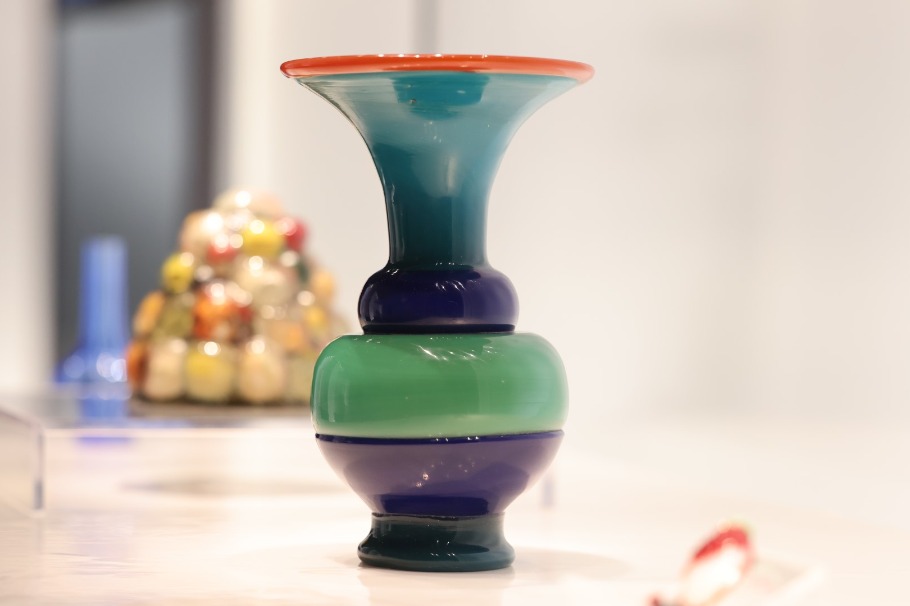
An exhibition of fine glassware from the Qing Dynasty (1644-1911) collected by the Palace Museum is currently on display at the Guardian Art Center in Beijing. More than 120 sets of artifacts are on exhibition, providing a comprehensive overview of their color, shape, decoration, craftsmanship and use in court life.
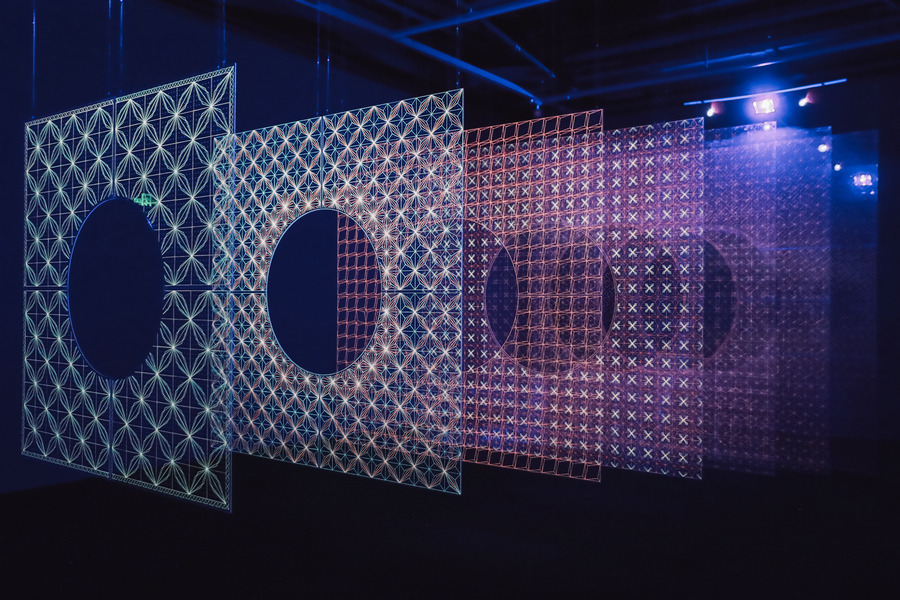
For 13 years, the Beijing Times Art Museum has staged its annual benefit art exhibition that promotes China's ethnic culture and arts, as part of the Public Welfare·Cloud program of its parent company Bloomage Biotech.

Forty years after Zheng Yuanjie, China's "king of fairy tales", penned a tale about Shuke and Beita, two ambitious and courageous mice, the popular murine characters will embark on a new journey to rescue the day in their first feature-length animated movie, The Adventures of Shuke and Beita.
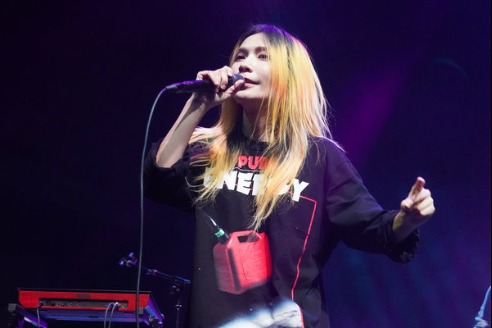
From Dec 23 to Jan 1, an indoor music festival is being staged by Xiami Music Entertainment at Full Of, a live house in Beijing.
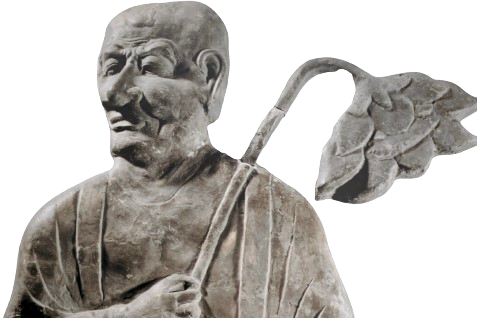
The Great Art of Dunhuang, a bombshell themed exhibition that ran from August 2022 to February at Beijing Minsheng Art Museum, created quite a stir among museum goers for re-creating the magnificence of Dunhuang and its timeless treasures. It thereafter was listed among the top 10 art exhibitions of 2022 by the Ministry of Culture and Tourism.
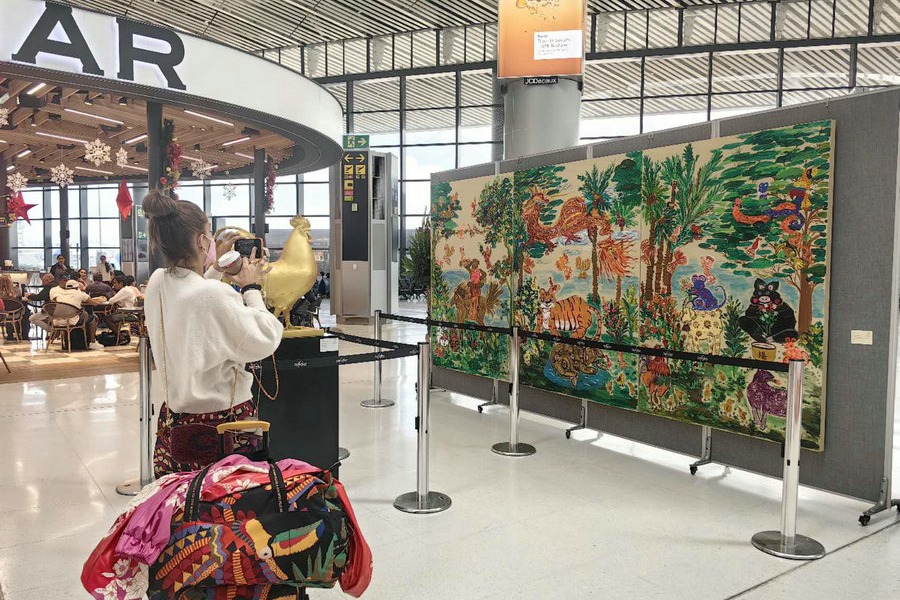
An exhibition titled Symbiosis of the Chinese Zodiac opened at the Tocumen International Airport in Panama on Dec 19 and will run until Jan 20.

Hearing warnings of a cold front and blustery snowfall does not get this Minnesota native excited or nervous.
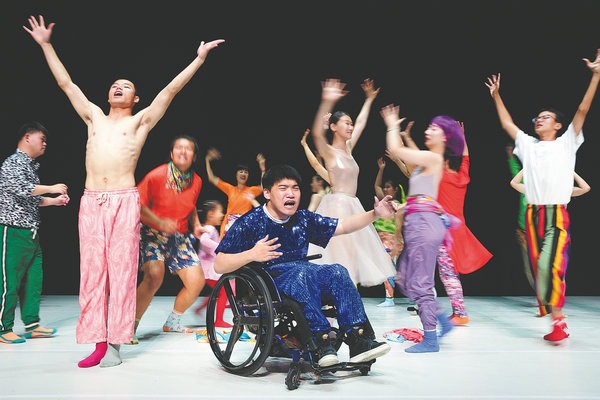
With inclusiveness at its core, Beijing Body On&On Cultural Exchange Center has been hosting the annual Luminous Festival, in tandem with the UK-China Disability Arts Forum.

Presented by Chinaculture Registration Number: 京ICP备13028878号-4
Copyright © Ministry of Culture and Tourism, P.R.China. All rights reserved
Presented by Chinaculture Registration Number: 京ICP备13028878号-4
Copyright © Ministry of Culture and Tourism, P.R.China. All rights reserved



 京公网安备 11010502035176号