


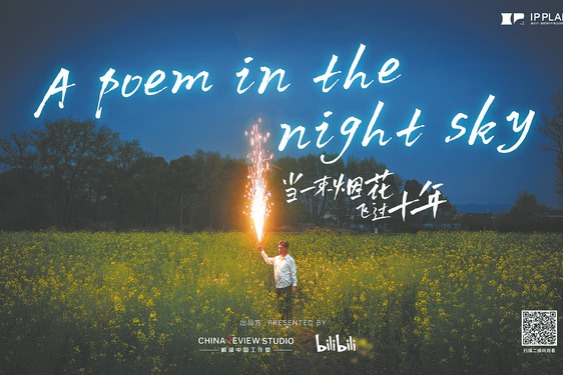
Against the dark canvas of the night, the unpredictable patterns, vibrant colors, and symphony of lights evoke feelings of joy and celebration. That somehow makes fireworks a symbol of romantic occasions and special moments.

Xunzi, a pioneering large language tool designed specifically for the processing and study of ancient texts, was launched earlier this month by Professor Wang Dongbo and his research team from the College of Information Management at Nanjing Agricultural University.

YINCHUAN — In the city of Yinchuan, Northwest China's Ningxia Hui autonomous region, 60-year-old calligrapher-turned-barber, Ren Zhanping, is making waves with his distinctive approach to grooming.
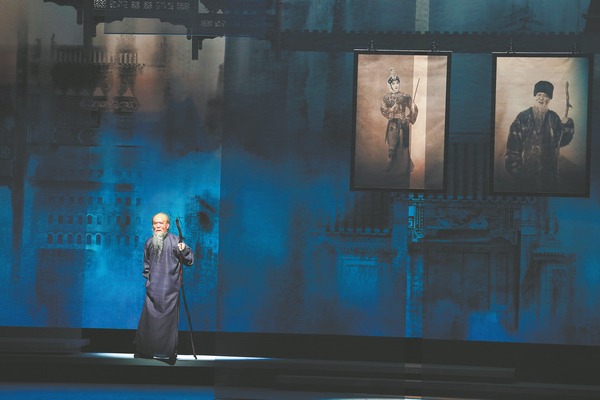
One day in 1955, Peking Opera master Mei Lanfang (1894-1961) was shooting a documentary directed by Wu Zuguang (1917-2003) about Mei's stage art in Beijing.
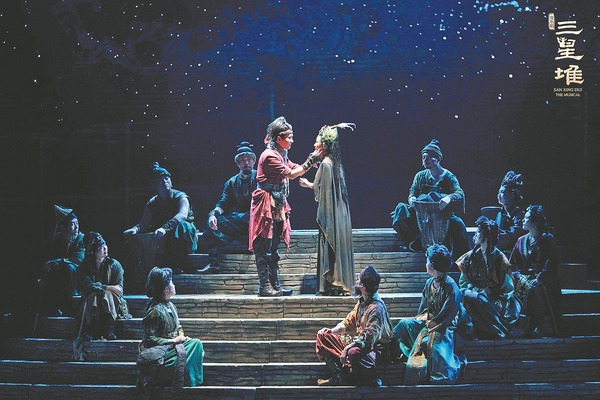
For millennia the ancient kingdom of Shu remained a mystery, existing only in historical texts, until the Sanxingdui archaeological site in Deyang, Sichuan province, lifted its veil of secrecy.
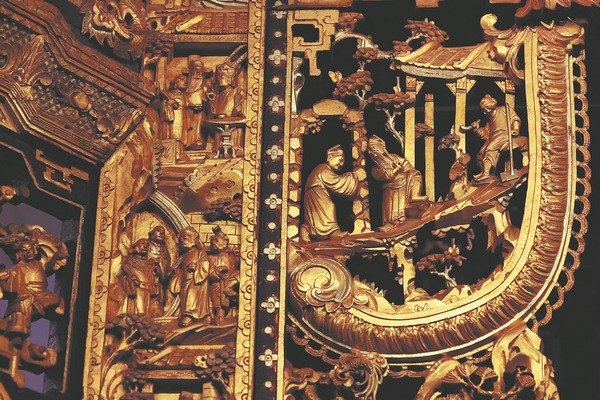
A5.5-meter tall and 4.8-meter wide Lingnan-style structure — the Panyu shrine — was among 170 relics, bearing the same cultural markings, being showcased for the first time in the Hong Kong Heritage Discovery Centre in Tsim Sha Tsui since Dec 12.

"Nihao! China" - the 2024 Northern China Ice and Snow Tourism Overseas Promotion Season was launched, inviting international tourists to explore the enchanting winter landscapes of China.
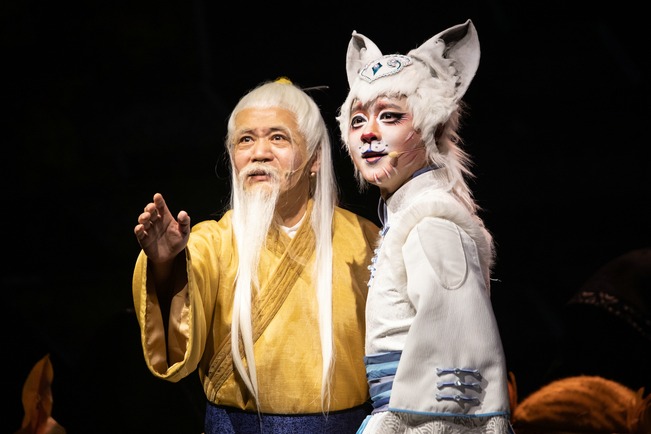
A scene from The Cat God in the Forbidden City, an original song and dance drama co-produced by the China National Theater for Children and the Palace Museum [Photo provided to chinadaily.com.cn]The Cat God in the Forbidden City, an original song and dance drama co-produced by the China National Theater for Children and the Palace Museum, is slated to premiere in Beijing on Saturday.
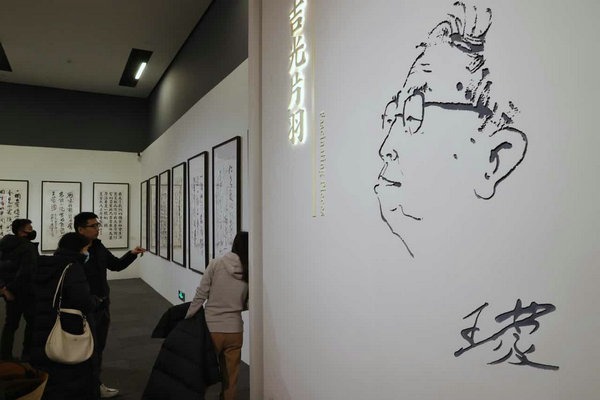
Anticipating the age of 90 in the coming year, Wang Meng, one of the most revered literary figures in the country, says he hopes to write more and better works.
Renowned author Yu Hua delivered an open writing class titled "Starting from Pamuk's Nights of Plague" at Beijing Normal University on the evening of Dec 14.

Thinking about the hard work that generations of Chinese farmers have gone through, working the land and tilling the fields, few young people would jump at the chance to take care of 3,000 mu (200 hectares) of cotton fields — equivalent to the size of 280 soccer pitches, especially as a beginner.
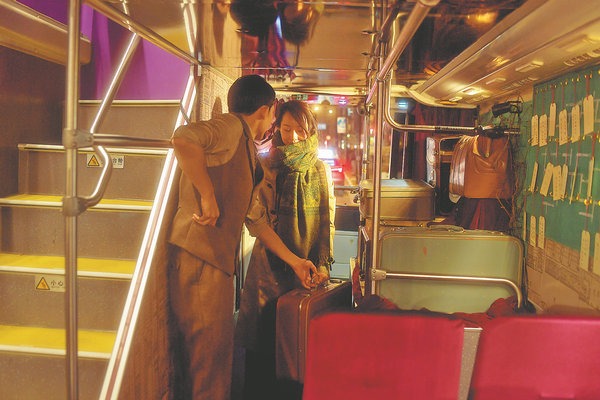
The immersive theater production Sleep No More is celebrating its seventh anniversary in Shanghai with a special bus tour.

Presented by Chinaculture Registration Number: 京ICP备13028878号-4
Copyright © Ministry of Culture and Tourism, P.R.China. All rights reserved
Presented by Chinaculture Registration Number: 京ICP备13028878号-4
Copyright © Ministry of Culture and Tourism, P.R.China. All rights reserved



 京公网安备 11010502035176号