









The first skis Meyirbek Xigis of the Kazak ethnic group ever used were nothing like the carbon-fiber racing boards seen on Olympic slopes. They were rough wooden planks, fashioned by his elders during the long winters on the high pastures of Altay prefecture of Northwest China's Xinjiang Uygur autonomous region, their undersides lined with coarse horse-leg fur to grip the snow.
For generations, these fur skis were not for sport, but for survival, serving as essential tools for local herders to tend livestock across deep snow in the prefecture that archaeological discoveries suggest is the birthplace of skiing.
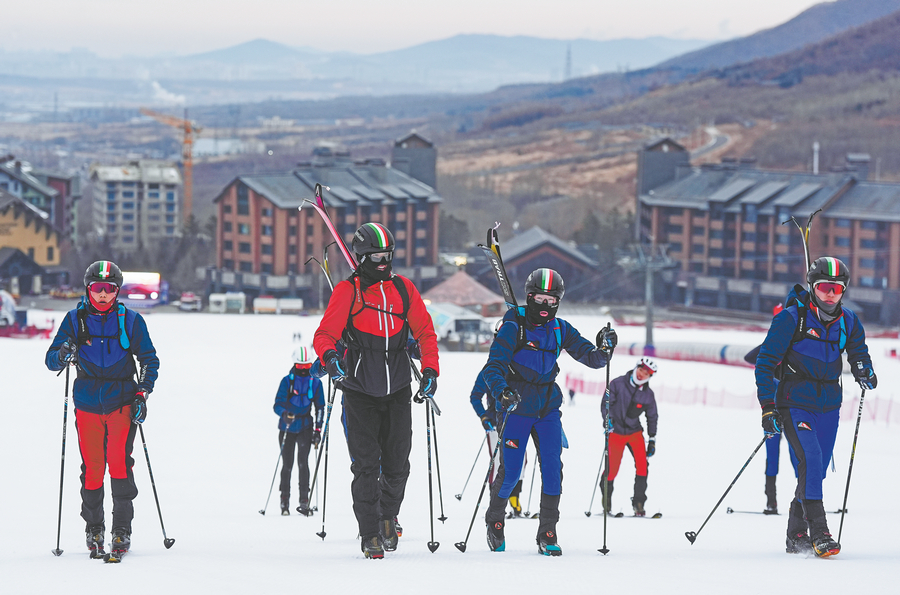
Now 32, Meyirbek Xigis has transformed that ancient necessity into a modern calling. He is a champion in the niche sport of ski mountaineering and a coach for a provincial team, his personal ascent mirroring the country's ambitious goal of kindling grassroots enthusiasm for ice and snow sports that culminated in the Beijing 2022 Winter Olympics.

Presented by Chinaculture Registration Number: 京ICP备13028878号-4
Copyright © Ministry of Culture and Tourism, P.R.China. All rights reserved
Presented by Chinaculture Registration Number: 京ICP备13028878号-4
Copyright © Ministry of Culture and Tourism, P.R.China. All rights reserved







 京公网安备 11010502035176号