


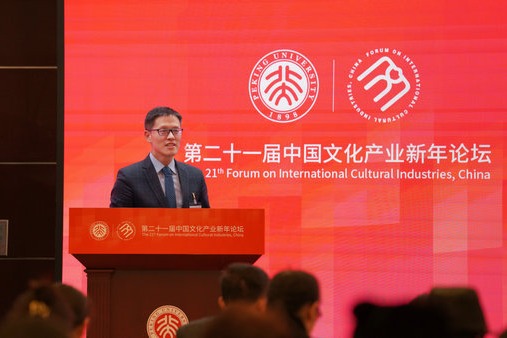
The 21st China Forum on International Cultural Industries kicked off in Beijing on Jan 6. The forum was hosted by Peking University, and was themed on developing a strong socialist culture and a modern Chinese civilization.
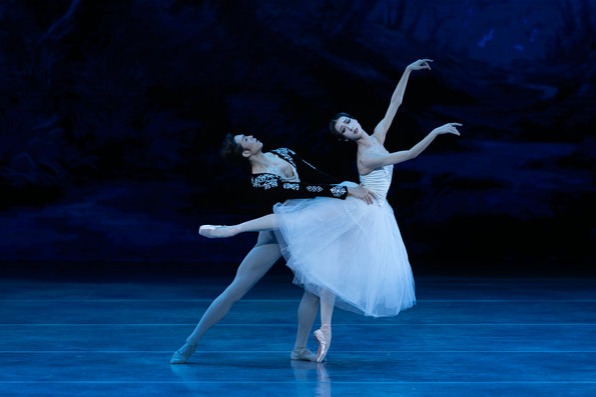
The 6th China International Ballet Season wrapped up at Tianqiao Theater in Beijing with two galas on Jan 5 and 6.
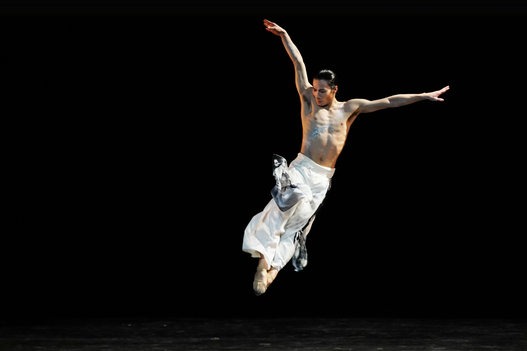
A performance showcase by Beijing Dance Academy was staged at Tianqiao Performing Arts Center in the capital on Jan 5, featuring students and teachers of the school who have stood out from the Lotus Award — the top national awards for dancing in China.

An academic seminar on archaeological studies in the border area of China was held in Beijing on Dec 27 and 28.
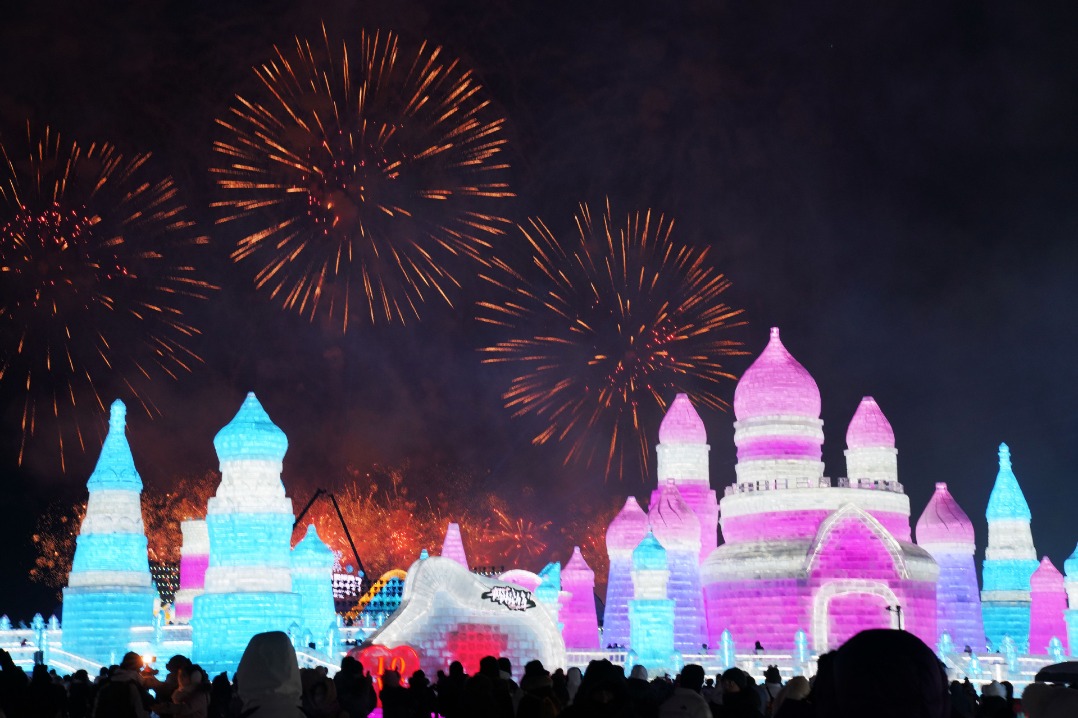
The International Ice and Snow Festival kicked off Friday evening in Harbin, capital city of China's northernmost Heilongjiang province, adding steam to the country's burgeoning ice-and-snow economy.

To celebrate upcoming Chinese New Year, French fashion company LOEWE commissioned three master jade carvers, Cheng Lei, Qiu Qijing, and Yin Xiaojin, to create three limited-edition pendants.
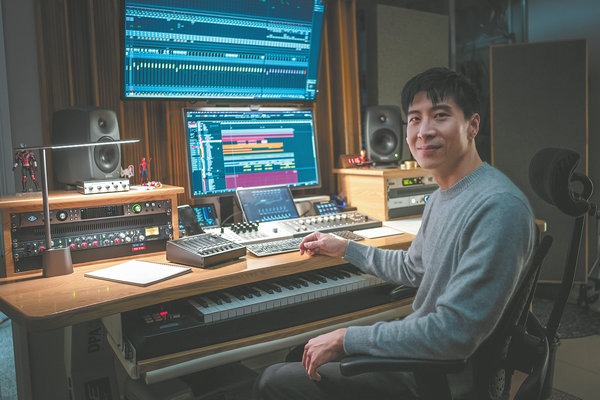
Singaporean composer straddling home and Beijing hits the right notes with Chinese listeners, Alexis Hooi reports.

The local residents of Shenyang, Liaoning Province have been making the most of the cold season by taking part in a wide range of outdoor activities to indulge their passion for winter sports. Some were spotted swimming in icy waters to strengthen their bodies, while others showed off their skating skills as they shared joyful moments at an outdoor ice rink.
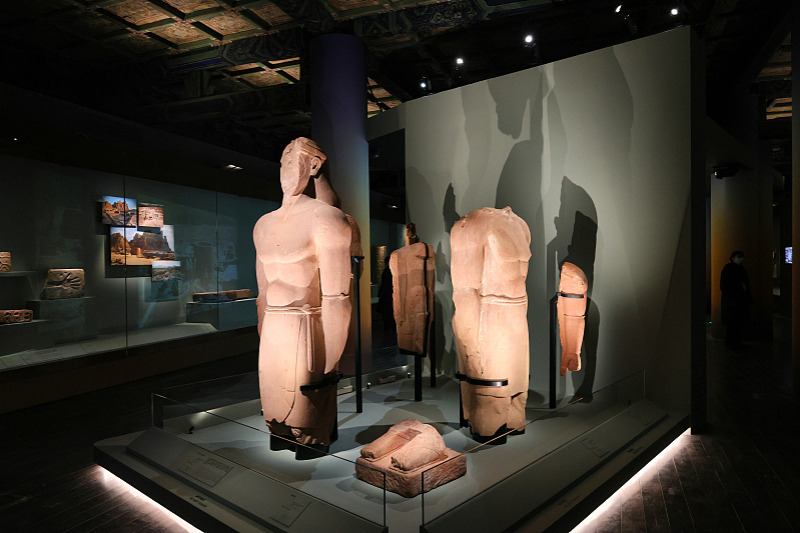
The "AlUla, Wonder of Arabia" exhibition is currently being held at the Palace Museum in Beijing. As a showcase for 7,000 years of AlUla civilization, the exhibition offers a unique opportunity for Chinese visitors to admire hundreds of precious archaeological artifacts and appreciate the rich cultural heritage and stunning landscapes of this mysterious land.
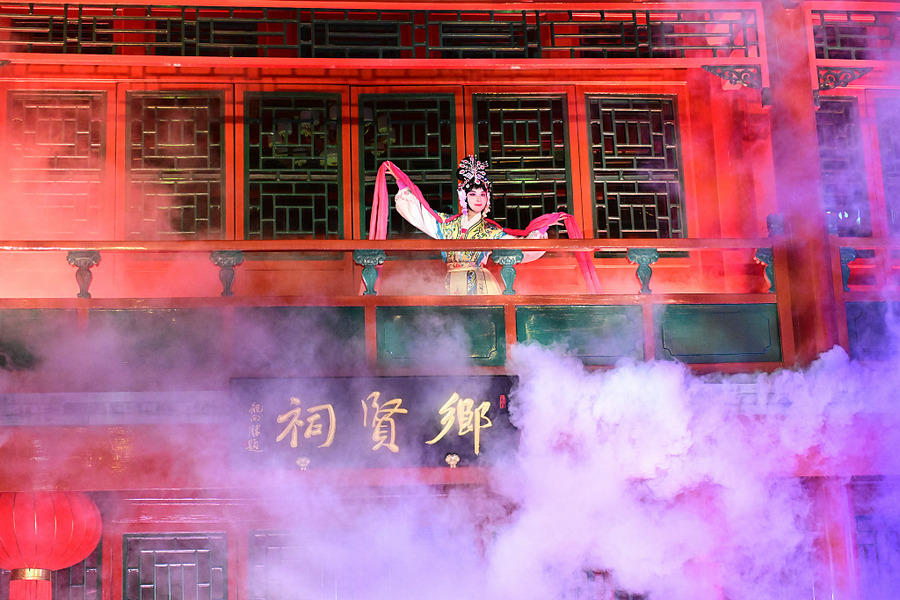
The Huguang Guild Hall, one of the most renowned Peking Opera theaters in Beijing, reopened on Friday after nearly two years of closure due to renovation work.
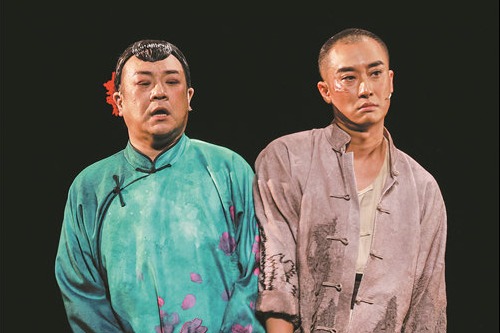
New play, adapted from Lao She's Rickshaw Boy, takes a different route to previous versions.

Presented by Chinaculture Registration Number: 京ICP备13028878号-4
Copyright © Ministry of Culture and Tourism, P.R.China. All rights reserved
Presented by Chinaculture Registration Number: 京ICP备13028878号-4
Copyright © Ministry of Culture and Tourism, P.R.China. All rights reserved





 京公网安备 11010502035176号