









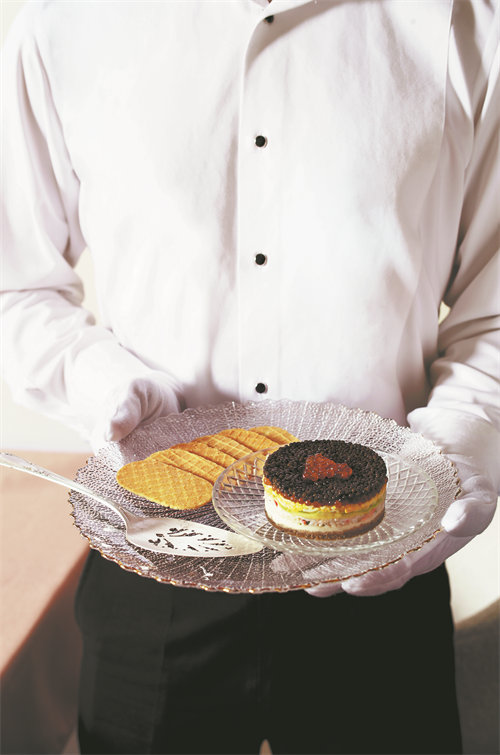
The Spanish cuisine scene has experienced similar growth. Alberto Fernandez, cofounder of Spanish restaurant Tomatito, observes: "When we opened our first Spanish restaurant in 2008, El Willy, Spanish cuisine was often mainly associated with paella and tapas. Today, Shanghai diners show a much deeper curiosity; they are interested in regional differences like Basque or Catalan kitchens, but also in special dishes from other regions of Spain."
His spouse and restaurant cofounder, Yan Xiaoyan, adds that their success led them to establish a food import company to bring authentic Spanish ingredients to Shanghai.
"We are pleased to see traditional Spanish cuisine so welcomed in Shanghai. We regularly invite Spanish chefs for cultural exchanges, bringing the most authentic Spanish culinary experiences to Shanghai diners," she says.
Fernandez emphasizes their commitment to conveying authentic Spanish dining culture. "We replicate the same atmosphere you may find in a casual eatery in Spain, creating a sense of sharing and warmth at the table.
"There's also a growing appreciation for the Mediterranean lifestyle behind the cuisine — the concept of balance, freshness, and pleasure, which aligns very well with the values of many local guests. Wine plays an important role here, too," he adds.
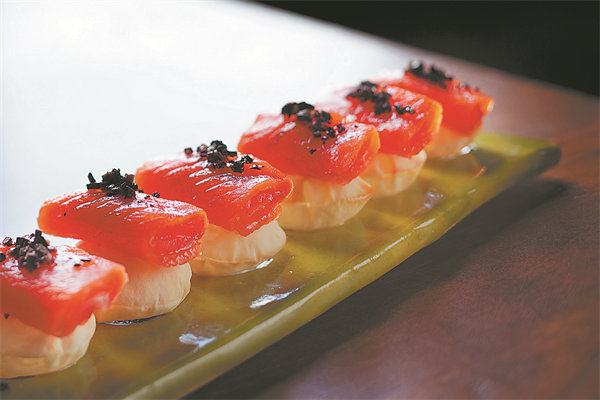
The year-round festival is structured around four seasonal themes, beginning with European flavors in the first quarter. The opening season features Italian food and wine carnivals, Greek food markets, and Spanish ham-tasting master classes. Subsequent quarters will celebrate flavors inspired by the Americas, Asian cuisines, and innovative fusion concepts.
To navigate this culinary landscape, a comprehensive dining guide featuring 338 highly-rated European restaurants was launched. More than 200 participating restaurants are offering special discounts via online review platforms such as Dianping.
Severino Bassani, founder of Senso restaurant, sees the festival as more than just a dining event. "Shanghai offers great opportunities because of its culinary variety," he says.
"It's wonderful to bring our culinary culture to China as a bridge between countries," he adds. "I am glad to be part of this event, and to see how the culinary sector in Shanghai is moving and improving."
The festival has also mapped 10 distinct routes through the city, each offering a unique perspective on Shanghai's culinary heritage. Routes range from luxury dining experiences along the iconic Bund and Lujiazui areas to artistic dining journeys through historic streets shaded by plane trees. Younger diners are typically drawn to emerging food districts such as Daxue Road in Yangpu district or Tonglefang Lane in Jing'an district.

Presented by Chinaculture Registration Number: 京ICP备13028878号-4
Copyright © Ministry of Culture and Tourism, P.R.China. All rights reserved
Presented by Chinaculture Registration Number: 京ICP备13028878号-4
Copyright © Ministry of Culture and Tourism, P.R.China. All rights reserved







 京公网安备 11010502035176号