


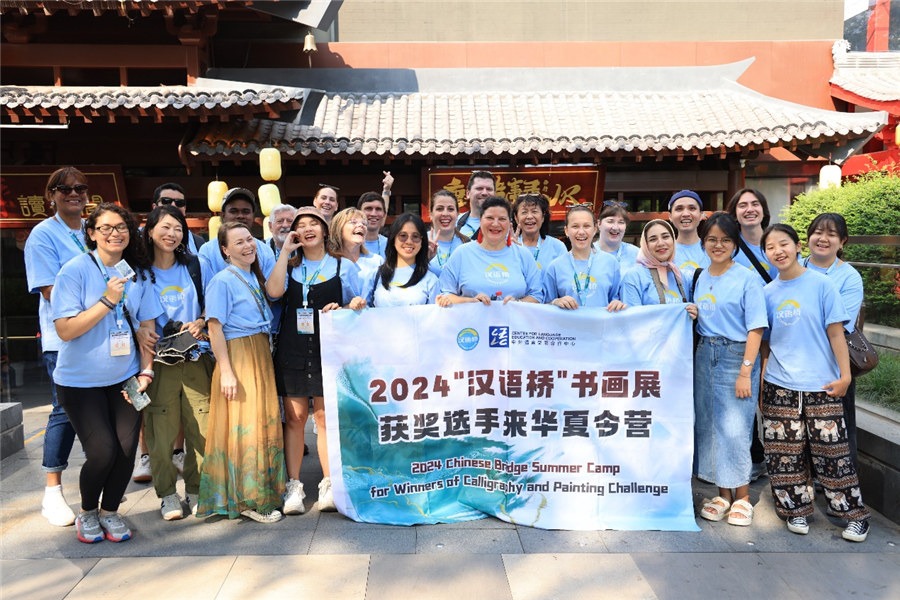
Recently, the award-winning participants of the 2024 Chinese Bridge Chinese Proficiency Competition for Foreigners across the Globe-Calligraphy and Painting Challenge came to Xi'an to embark on a unique cultural journey through the Tang Dynasty (618-907).
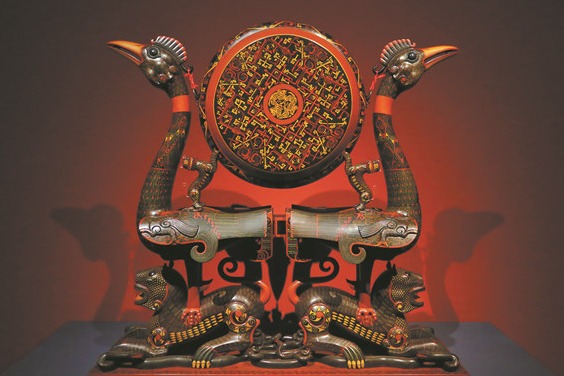
Art form utilizes nature's resilient sap and evolves with the accumulation of time, patience and artistry, Lin Qi reports.
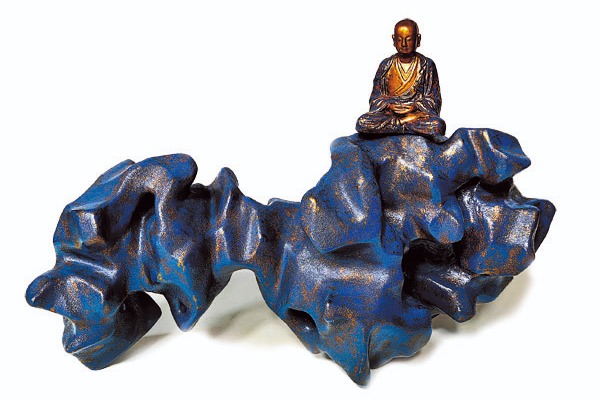
Comparing the lacquer works she made years ago to the ones she's making now, the progress is apparent in Yuwen Renjie's experiment.
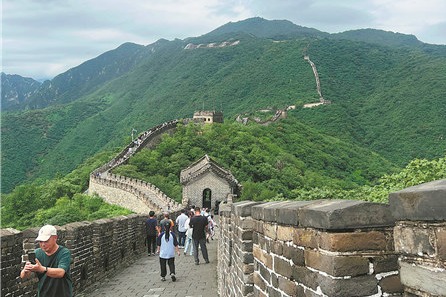
As soon as I knew I was going to work in Beijing, one of the first things I did was look to see just how close I would be living to any part of the Great Wall of China.
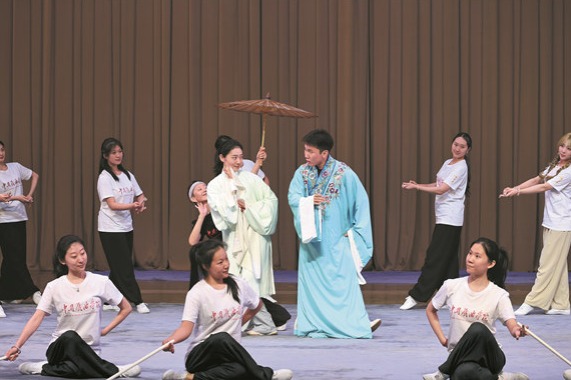
The Legend of the White Snake returns with its enduring love story, Chen Nan reports.
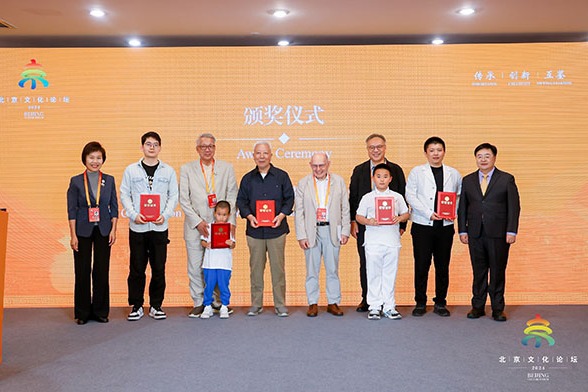
As a part of this year's Beijing Culture Forum, a salon session, Cultural Heritage Supporting Urban Sustainable Development, was organized by Beijing Cultural Heritage Bureau in Beijing on Friday.

US photographer Stephen Shore, 77, is celebrated as a photography prodigy and a master of the mundane.
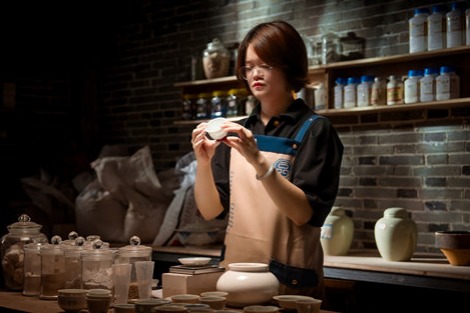
Craftspeople talk about pressure, satisfaction of continuing ancestors' work, Cai Hong reports in Jingdezhen.
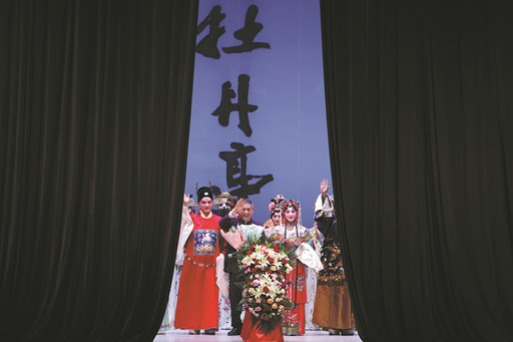
Art form steeped in tradition and culture enjoys a growing appeal, Chen Nan reports.
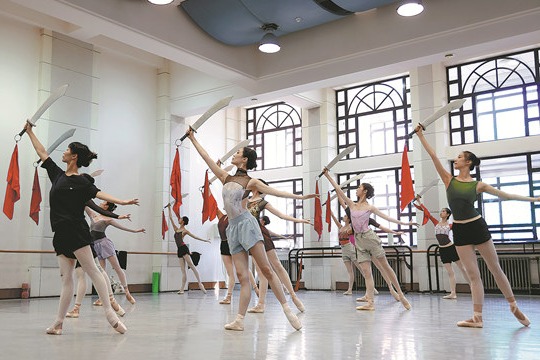
Red Detachment still enthralls audiences and wins fans 60 years after it was first performed, Chen Nan reports.
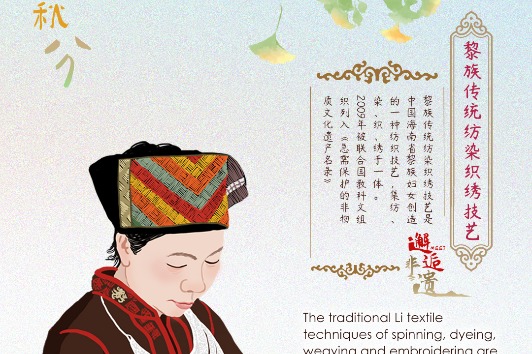
Autumn Equinox lies at the midpoint of autumn, dividing autumn into two equal parts. Autumn Equinox, the 16th solar term of the year, begins this year on Sept 22 and ends on Oct 7.

Documentary about wartime atrocity seeks to remind world of an overlooked event, Chen Ye reports.

Presented by Chinaculture Registration Number: 京ICP备13028878号-4
Copyright © Ministry of Culture and Tourism, P.R.China. All rights reserved
Presented by Chinaculture Registration Number: 京ICP备13028878号-4
Copyright © Ministry of Culture and Tourism, P.R.China. All rights reserved



 京公网安备 11010502035176号