


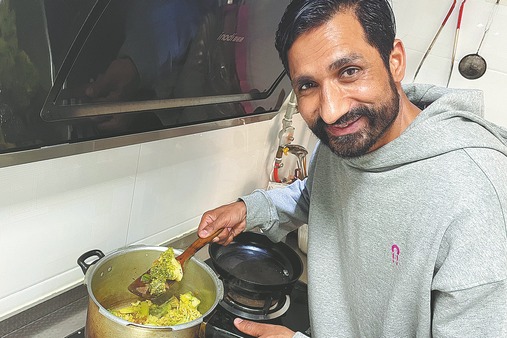
XI'AN-Ushurova Sofiya, a professor from Kazakhstan at the school of law in Xi'an Jiaotong University, celebrated her 48th birthday on Dec 15. She has not left her home since that date.
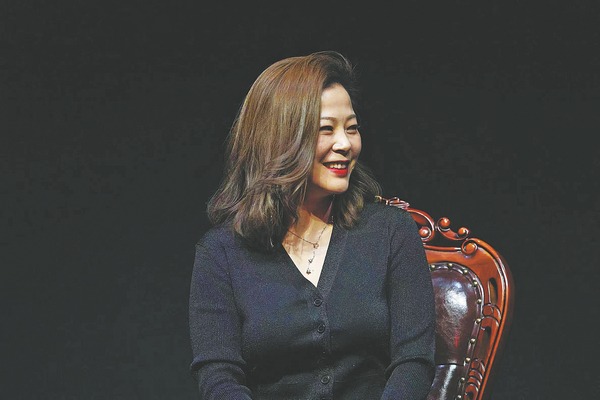
It's hard to define what a theater producer does exactly, even for those working in the field.

YINCHUAN-When night fell, and the arch of the Milky Way came into sight above the Chinese equivalent of "Route 66" in the northwestern Chinese city of Zhongwei, astronomy photographer Dong Shuchang captured the most beautiful moment.
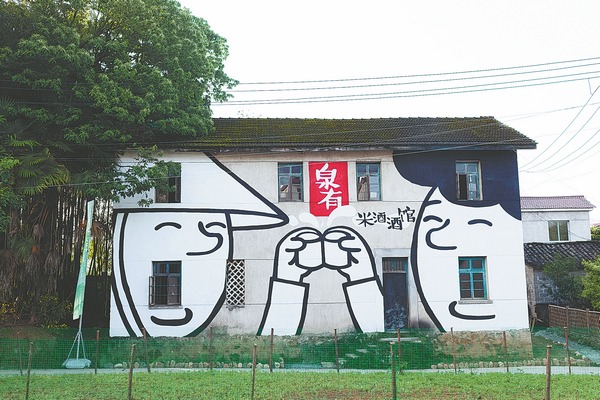
Lyu Jianqin speaks with pride whenever she introduces a particular piece of artwork to visitors coming to her home in Shiziyuan village.
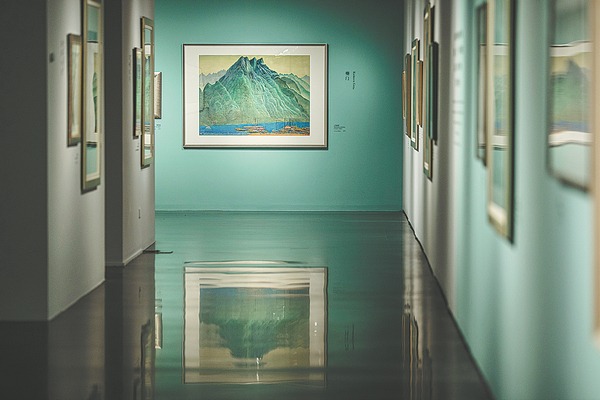
Du Dakai vividly recalls a journey to Guangdong province in the winter of 1978.

Industry sees strong growth despite difficulties raised by COVID-19 pandemic. The domestic tourism industry of China has recovered steadily throughout 2021, in spite of sporadic cases of COVID-19.

Younger Chinese readers are logging on in their millions to enjoy works from established and emerging authors.

Zhentang Town is located in the southwest of Dingjie county, Xigaze City, Southwest China's Tibet Autonomous Region, and on the southern slope of the middle section of the Himalayas.
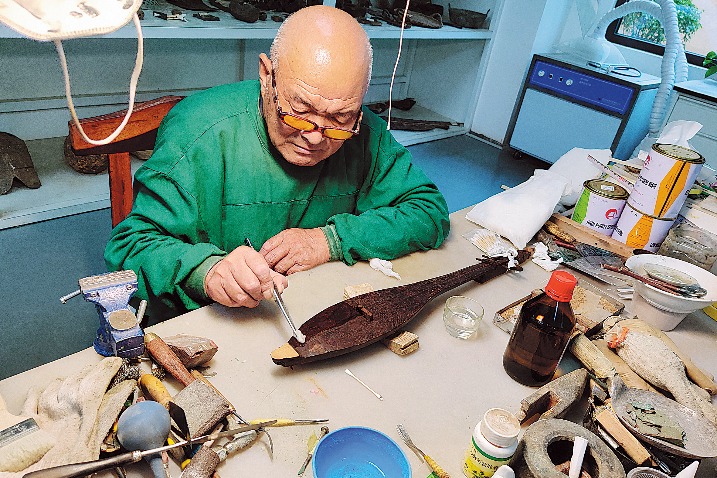
Eleven years after Zhang Juncai, 72, a cultural relic restorer, retired from the Shanxi Archaeological Institute in Taiyuan, he is still breathing life into unearthed bronze ware, pottery, ironware, stoneware and frescoes.
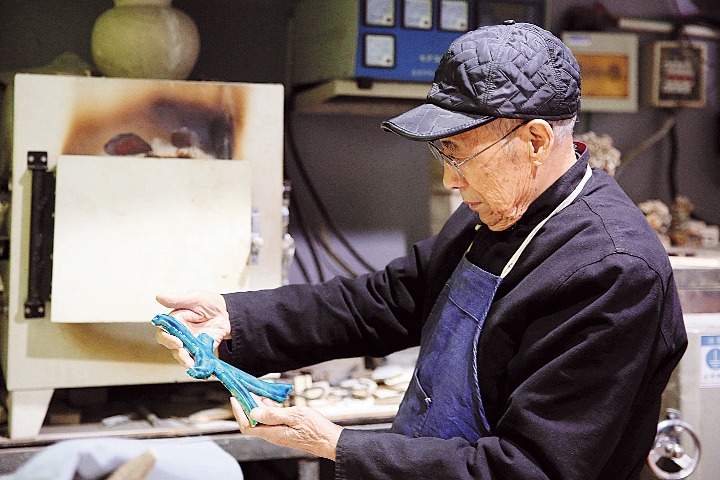
How Shanxi's famed craft was nearly lost for good, before being revived and innovated upon
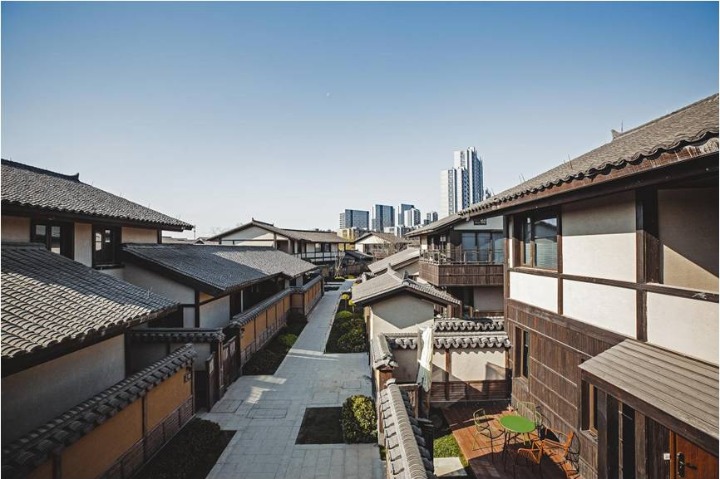
In Wuzhen's Midnight Road, the Xinzha International Innovation Zone built by the government has also ushered in a new cultural industry park: Wuzhen Lang Park•Art.
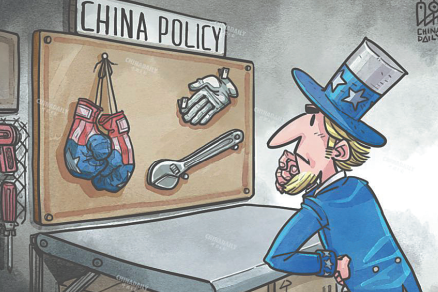
The year 2021 has passed. What has the US done through the year? China Daily writer Zhang Zhouxiang comments with 16 cartoons collected from the newspaper:

Presented by Chinaculture Registration Number: 京ICP备13028878号-4
Copyright © Ministry of Culture and Tourism, P.R.China. All rights reserved
Presented by Chinaculture Registration Number: 京ICP备13028878号-4
Copyright © Ministry of Culture and Tourism, P.R.China. All rights reserved



 京公网安备 11010502035176号