


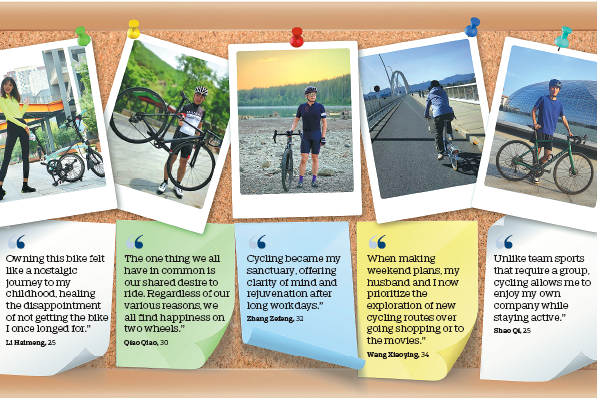
In recent years, cycling has surged in popularity, especially among young enthusiasts.
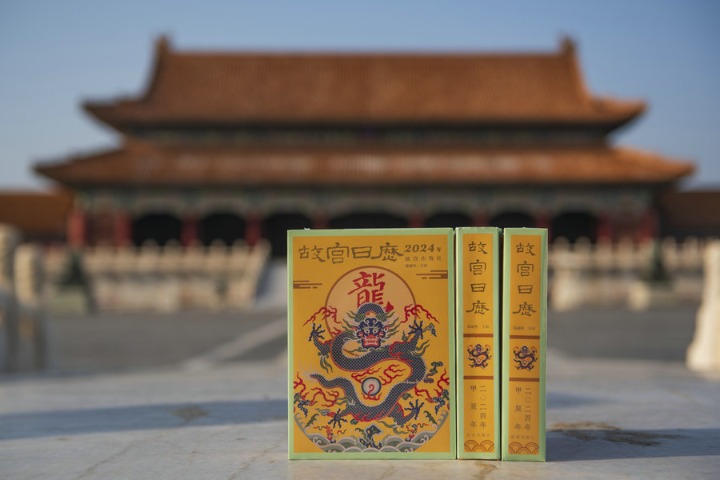
The Palace Museum in Beijing released its calendar series for 2024 on Tuesday.
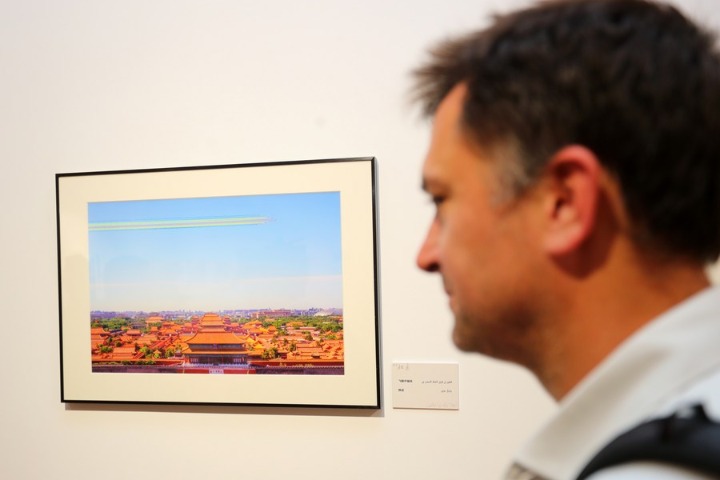
DOHA, Sept 18 -- The "Hello, Beijing" Photography Exhibition opened on Monday here in the Qatari capital Doha, showcasing historical and cultural emblems of the Chinese capital, and how the megacity succeeds in becoming a world-renowned tourist destination.

Lu Wantang has drawn many pictures of a nearby jujube forest in recent years, as more visitors make their way to Zhuji town, Laoling city in Shandong province.

Before my 40s, when I thought of trolls, they were ugly little creatures or little dolls with big, colorful hair that sat atop pencils.
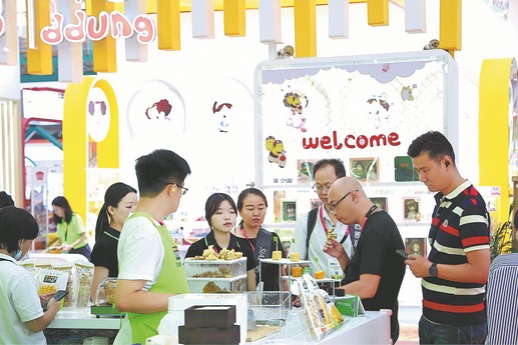
At SIAL Shenzhen, a premier international food and beverage exhibition opened in Guangdong province at the end of August, Zheng Qi's booth was surrounded by visitors who lined up to taste a wide array of quality cheeses from Europe.
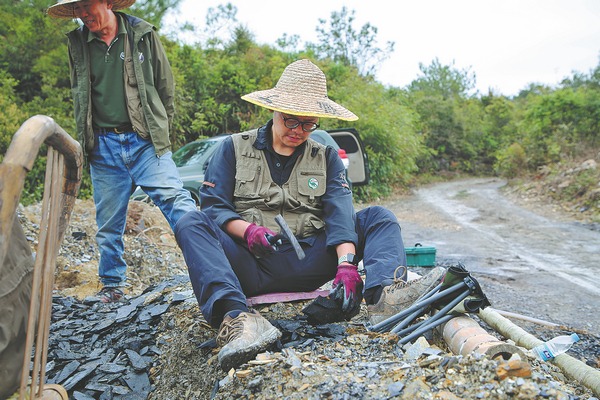
Approximately 150 million years ago, a birdlike dinosaur found itself fatally trapped in a long-vanished swamp in today's Zhenghe county in Nanping, in the eastern province of Fujian.
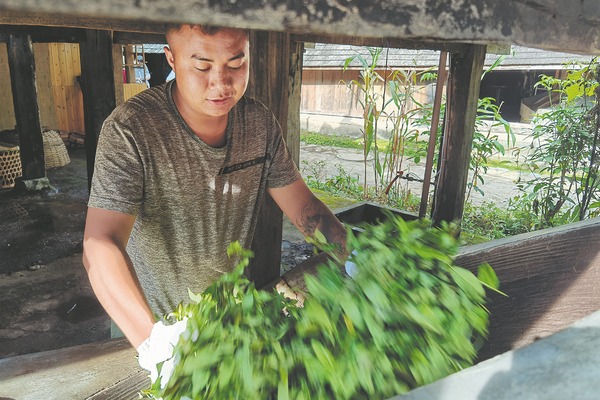
Near the China-Myanmar border, the mountain is embraced by a sea of clouds on average about half the year. Driving through the zigzag road into the clouds feels like a journey into a wonderland normally associated with fairy tales.
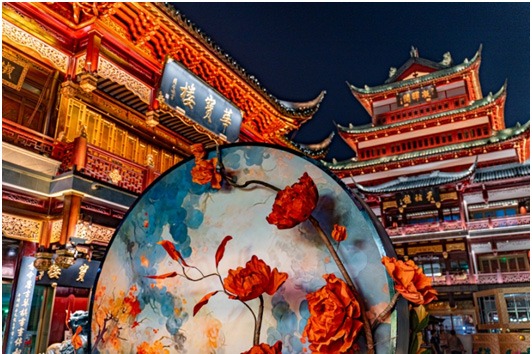
A series of cultural activities celebrating the upcoming Mid-Autumn Festival kicked off on Sunday in Shanghai’s Yuyuan Garden Malls.
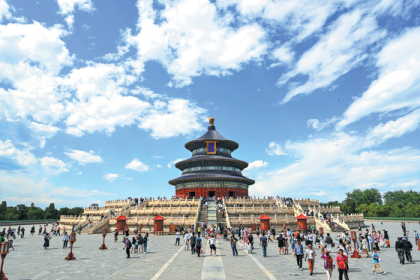
Over the past decade, Beijing has been focused on its role as a national cultural center and has been vigorously promoting the development of cultural consumption.
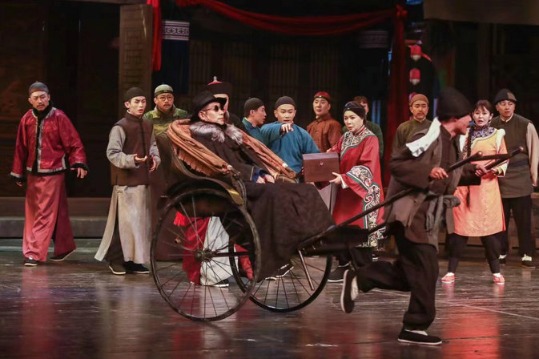
The play, From West to East, which is about the ups and downs of the century-old Beijing hotpot restaurant Dong Lai Shun, premiered in Beijing on Sept 15.
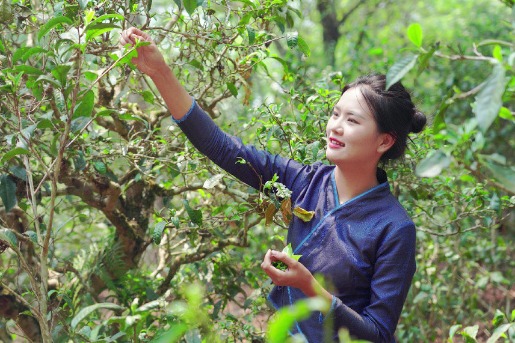
The Cultural Landscape of Old Tea Forests of Jingmai Mountain in Pu'er, southwest China, was inscribed on the UNESCO World Heritage List on Sept 17, 2023.

Presented by Chinaculture Registration Number: 京ICP备13028878号-4
Copyright © Ministry of Culture and Tourism, P.R.China. All rights reserved
Presented by Chinaculture Registration Number: 京ICP备13028878号-4
Copyright © Ministry of Culture and Tourism, P.R.China. All rights reserved



 京公网安备 11010502035176号