


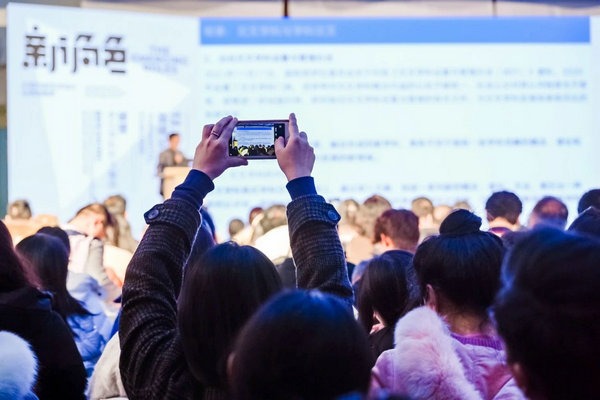
More than 40 luminous figures from the academic and education circles and industries around the world engaged in the discussions with personalities from home colleges at the Tsinghua International Conference on Art and Design Education, from Dec 15-17.
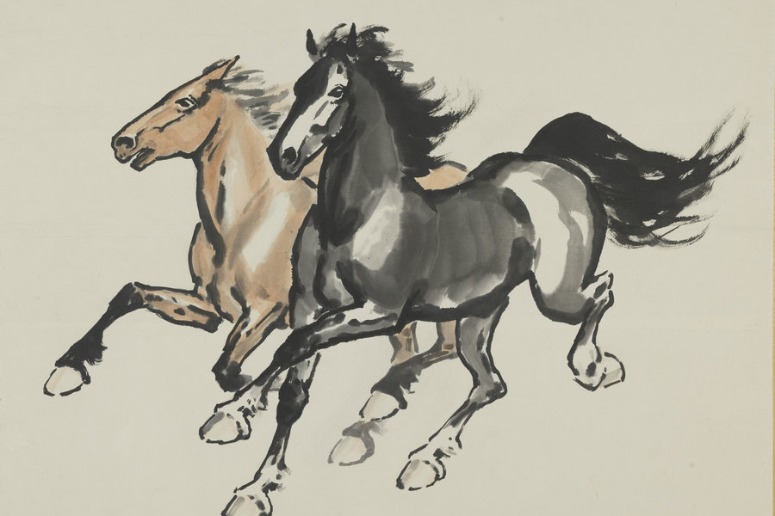
An exhibition is being held at the National Art Museum of China showing artworks and photos which depict the landscapes and social lives of the Inner Mongolia autonomous region, and how people living in the region strive to develop the land with the same high spirit as that of horses, the loyal domesticated helper and companion on the extensive grassland.
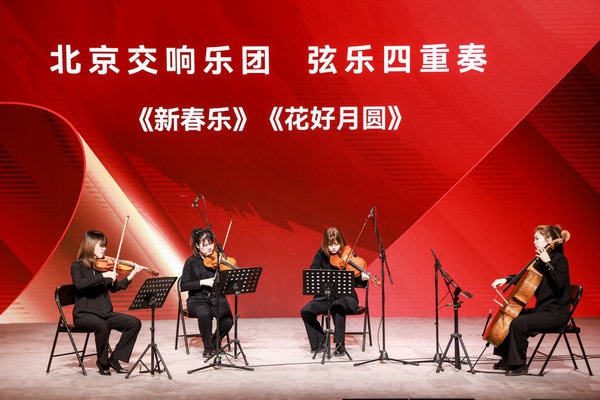
Under the baton of conductor Tan Lihua, the Beijing Symphony Orchestra will stage a concert on Dec 31 at the Great Hall of the People in Beijing, celebrating the upcoming new year.
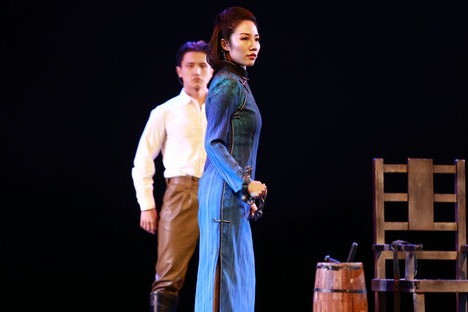
Eight art schools staged musical productions at Beijing Dance Academy on Saturday and Sunday, as part of the ongoing 13th "Taoli Cup" National Dancing Education Showcase of China.
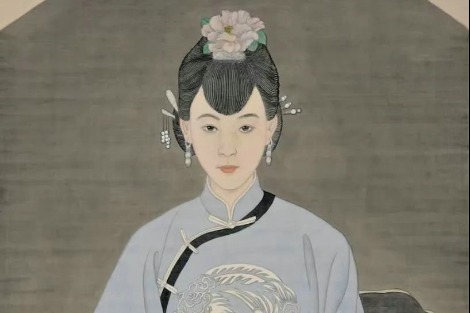
Now an active ink artist, Tan has brought to Beijing more than 200 ink works, paintings and calligraphy, at his solo show at the art museum of China National Academy of Painting, running through Dec 23.
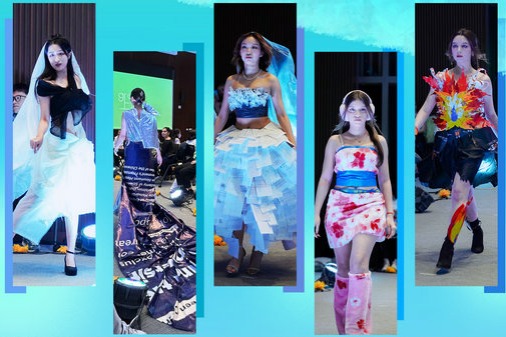
It's no ordinary dress. It's a creation fashioned from unconventional materials: the sweeping hemline is repurposed from a recycled tarp banner of a school lecture event; the upper section is made by the leftover fabric of a design student's project; decorative elements are made from food delivery bags, soda cans, and plastic bottles.
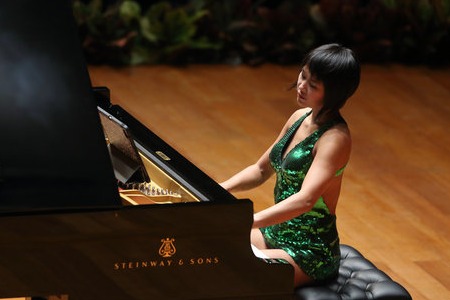
Two nights in a row over the past weekend, pianist Yuja Wang ignited a full-house audience at the National Centre for the Performing arts in Beijing, with a recital that "began and ended in silence", as she put it.
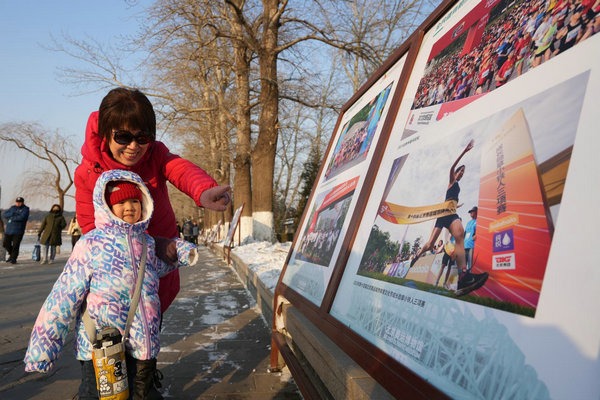
A thematic exhibition, titled Dual Olympics City, commenced at the Summer Palace on Dec 18, as part of the 14th Beijing Olympics City Sports and Cultural Festival.
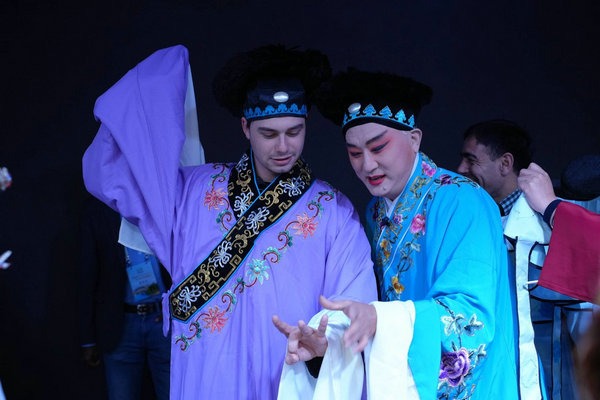
Zhenjiang, a city in Jiangsu province, clings to its profound heritage, both architecturally and culturally. For many visitors, the city is often a brief riverside stay before heading to other places, but not for people having strolled her streets and water lanes.

A hot spring culture festival was launched in Changping district, Beijing on Dec 15.
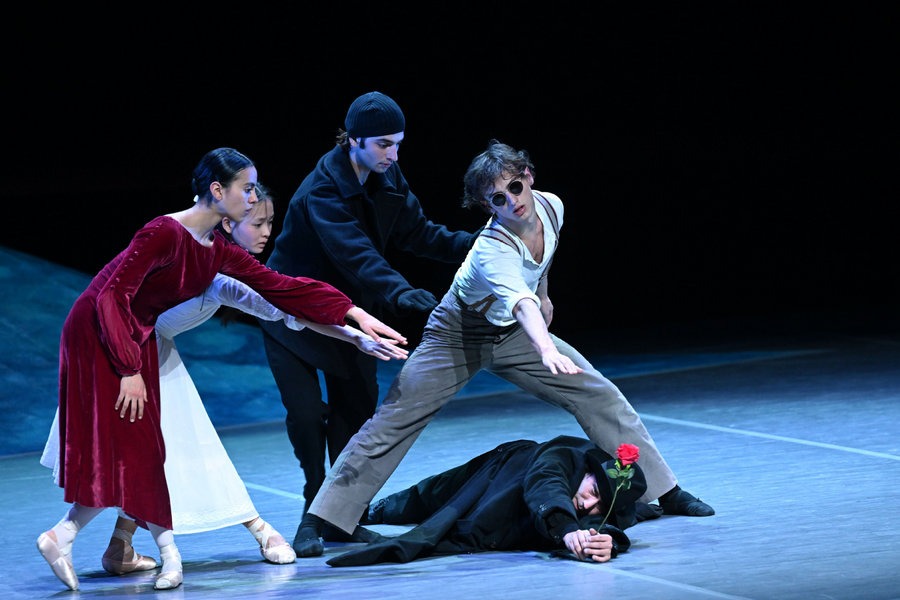
Artists perform at the Beijing Tianqiao Theater in Beijing, capital of China, Dec 16, 2023. Dancers of the National Youth Ballet of Germany presented the "Light Path: A Mixed Program of John Neumeier and Others" here on Saturday.
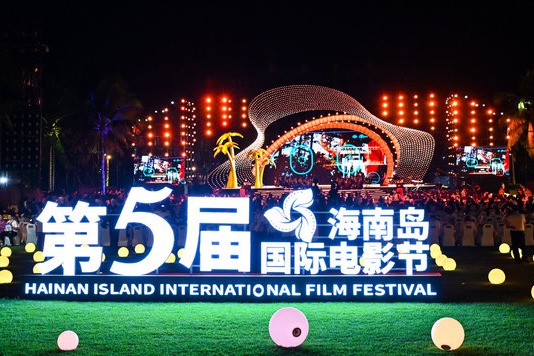
Actors perform during the opening ceremony of the 5th Hainan Island International Film Festival in Sanya, South China's Hainan province, Dec 16, 2023. The festival runs from Dec 16 to 22.

Presented by Chinaculture Registration Number: 京ICP备13028878号-4
Copyright © Ministry of Culture and Tourism, P.R.China. All rights reserved
Presented by Chinaculture Registration Number: 京ICP备13028878号-4
Copyright © Ministry of Culture and Tourism, P.R.China. All rights reserved



 京公网安备 11010502035176号