









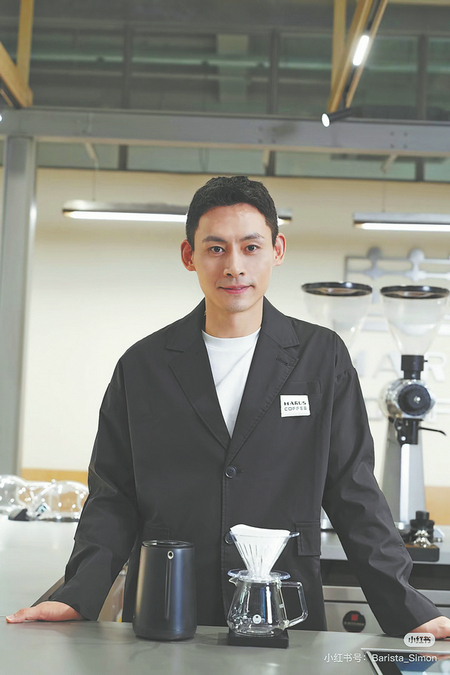
When Colombia introduced this method to Panama, it altered the terroir: soil organic matter increased by 6 percent, and the pH level rose from 5.2 to 6.2. These characteristics translated directly to Sun's espresso, where judges detected stone fruit notes.
"This zero-emission innovation reduced carbon by 61 metric tons in 2022 and continues to reduce more each year," Sun says."Even the smallest actions can have a lasting impact on coffee."
Sun's focus on sustainability extends to processing. In Panama, Sun and the Flying Pumas team developed a low-impact process: coffee cherries sealed in bags were soaked in flowing spring water at 14 degrees Celsius for 16 days, then slowly dried over 26 days.
This careful process enriches the coffee with delicate flavor compounds, such as white florals and nectarine notes, while producing no wastewater and supporting the local environment. These subtle flavors became a highlight of Sun's presentation, demonstrating how environmentally conscious practices enhance both taste and storytelling on the competition stage.
Even the roasting process reflects Sun's sustainability philosophy. Sun uses a Loring hot-air roaster, which expands the beans for easier extraction. An eight-minute light roast transforms acidity into fruit-forward flavors while using energy efficiently to reduce emissions.
This approach allows him to demonstrate that environmentally conscious methods can be seamlessly integrated into every step of coffee preparation.

Presented by Chinaculture Registration Number: 京ICP备13028878号-4
Copyright © Ministry of Culture and Tourism, P.R.China. All rights reserved
Presented by Chinaculture Registration Number: 京ICP备13028878号-4
Copyright © Ministry of Culture and Tourism, P.R.China. All rights reserved







 京公网安备 11010502035176号