









Imagine a lively store that incorporates elements like handicrafts, snack vendors, Thai music and coffee tastings, which engage all five senses and create a lively, market-like atmosphere.
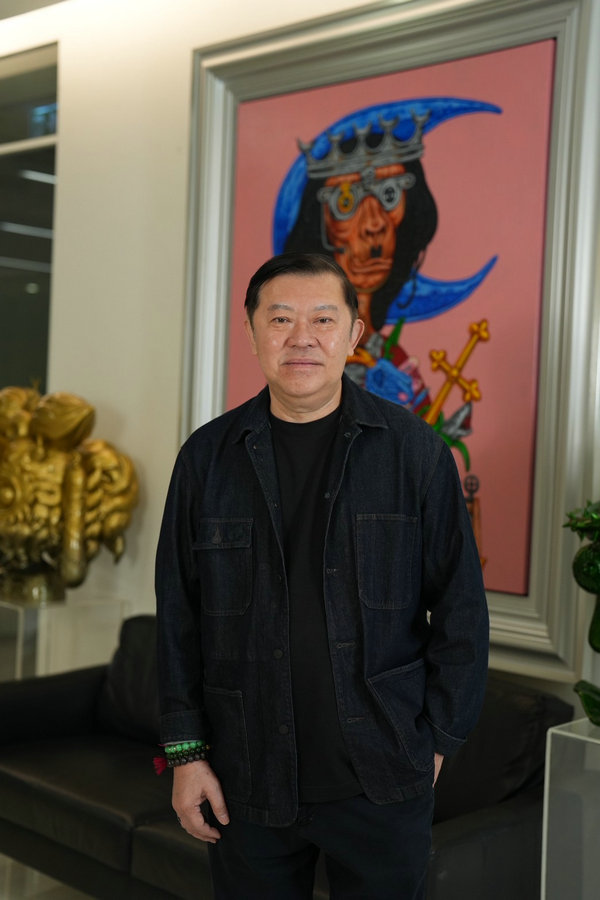
Thai businessman Pichai Chirathivat is attempting to use this model to ease rural poverty in local communities, an ambitious vision for many entrepreneurs. Amid various pathways to improve the lives of fellow citizens, the route that Pichai has taken is connecting goods produced in rural areas with urban consumers in Thailand and beyond.
As executive director of Central Group, a leading Thai retail and wholesale business, Pichai says he believes in the traditional Chinese saying that it is better to teach a man how to fish than to give him a fish.
His "fishing" involves bringing quality Thai products from rural local communities to the kingdom's biggest shopping mall group, Central, and providing a chance for the products to be known to both domestic and international customers.
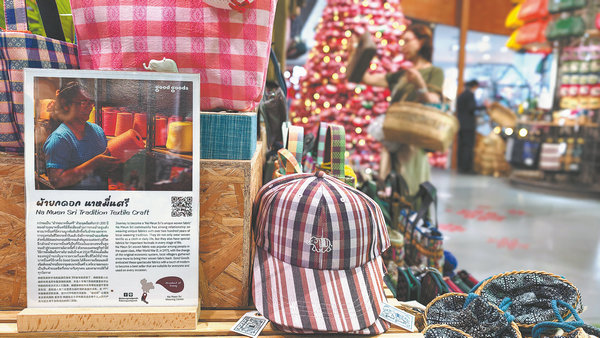
The project was started about eight years ago when Pichai began traveling across Thailand, meeting local producers, and getting the idea of consolidating local Thai products under one strong brand, with the profits going back to the communities. When customers buy these local products, they can be assured that all the profits will be sent to the people who made them.
Pichai says: "We decided on the name 'Good Goods', which reflects a positive attitude. Inspired by local wisdom but with a contemporary touch, our mission is to preserve cultural heritage while supporting Thai communities and products, allowing them to grow sustainably."
In the beginning, the project only had 10 villagers from northeastern Thailand's Udon Thani Province, who were good at weaving baskets. Though it was a quality product, it was thought that the handicrafts needed special designs and some added value to make selling to customers worldwide easier.
With an educational background in merchandising and branding, Pichai decided to create products that are both practical and appealing to a broad audience, rather than overly trendy designs that might not sell.
"By collaborating with designers, scholars and government sectors to ensure quality and relevance, our products are unique yet accessible and meet international standards without losing their cultural essence," he says.
Over the past few years, Good Goods has continued a strategy to involve more communities in the initiative. So far, the project has encompassed about 40 provinces across Thailand, with 15 provinces transitioning from production centers to regional learning centers and tourism destinations.
"The project with residents with disabilities in Udon Thani has seen an increase in the number of participants from 10 to 400 people, who now produce 20,000 baskets monthly and generated nearly $1 million last year," says Pichai.
In 2024, Central Group's "Central Tham" — a plan to support local communities via the group's commercial platforms with Good Goods as one of its projects — generated an income of about 1.7 billion baht ($54 million), benefiting numerous local communities by improving their livelihoods and fostering pride and self-sufficiency.
"We run Good Goods not just as a shop but as a Thai lifestyle brand for people to understand the kingdom through diverse products, including handicrafts, perfumes, coffee, and so on. In our shop, you can also enjoy fresh coffee from the organic farms we support," says Rachadol Yingpisutt, the head of the Good Goods brand, who revealed that the company will see its 10th store coming to northern Thailand soon.

Presented by Chinaculture Registration Number: 京ICP备13028878号-4
Copyright © Ministry of Culture and Tourism, P.R.China. All rights reserved
Presented by Chinaculture Registration Number: 京ICP备13028878号-4
Copyright © Ministry of Culture and Tourism, P.R.China. All rights reserved







 京公网安备 11010502035176号