









Audience habits are shifting as well. The younger generation increasingly gravitates toward faster, more fragmented viewing formats.
According to Liu Peng, director of the Maoyan Research Institute, China's moviegoing demographic is also aging. Viewers aged 30 to 39 have become the main group, accounting for 40 percent of theater attendance in 2025.
The surge of micro-short dramas — vertically shot episodes only minutes long — has been particularly striking. In 2024, this format reached a market value of 50.5 billion yuan, surpassing the annual box office of the century-old cinema industry for the first time. The once-niche format is expected to leap to 63.4 billion yuan in 2025 and 85.6 billion yuan in 2027, according to a report released by several institutions, including the China Television Drama Production Industry Association.
Scriptwriter A'mei, known for the award-winning film So Long, My Son, said watching a number of short videos recently has made her question whether traditional two-hour films are gradually losing appeal.
"One of my strongest impressions is that the online world and digital communities can sometimes feel more 'real' to young people than real life itself," she says.
As daily behaviors — from shopping to idol fandom — continue to shift from offline to online, A'mei believes it is crucial for storytellers to create soul-touching narratives that help bring audiences back to the real world.
Nurturing talent
The Recommendations emphasize the importance of cultivating talent, aiming to build a large, well-structured, dynamic team of high-level cultural professionals.
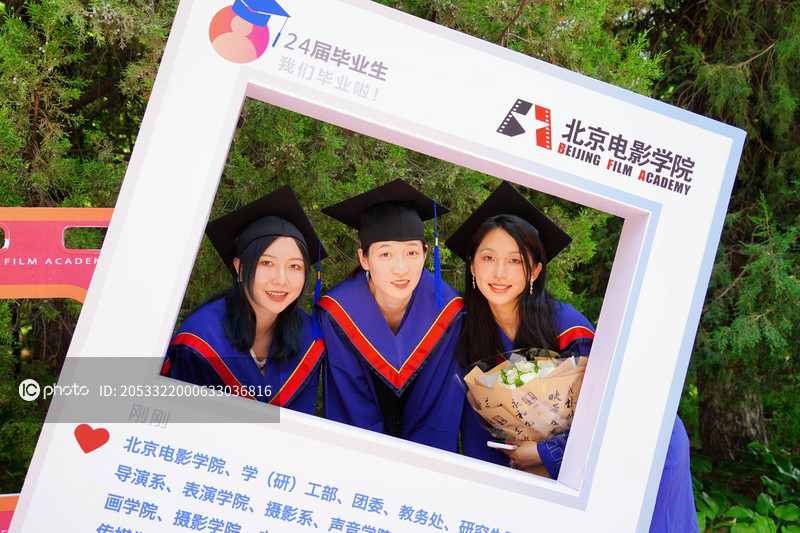
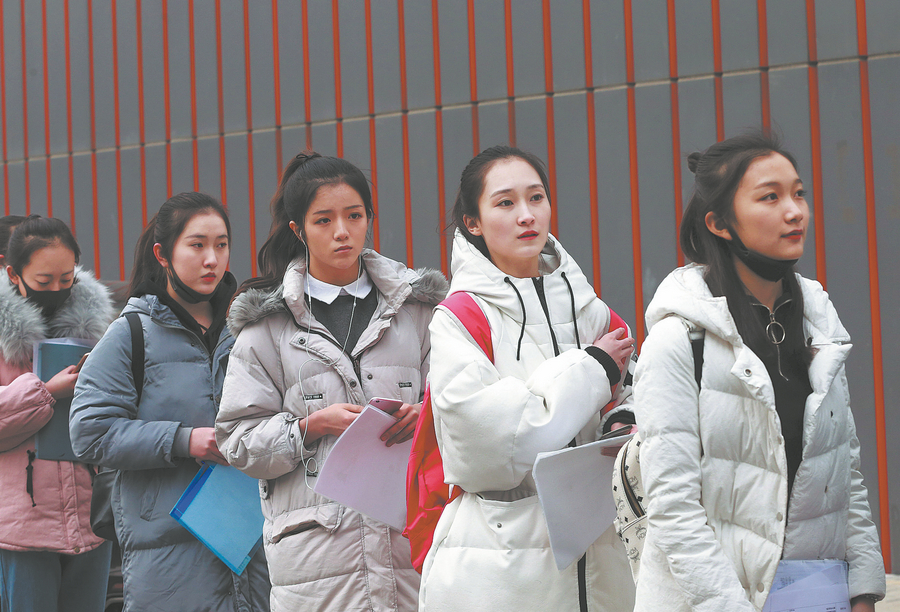
Two decades ago, only a few universities, such as the Beijing Film Academy and the Central Academy of Drama, trained film and television talent. Today, around 1,200 colleges and academic institutions offer film and TV programs, creating the foundation of the industry's expansive talent pipeline, according to a report by China Central Television.
Zhou Zhijun, Party secretary of the Beijing Film Academy — a cradle for generations of leading figures including iconic directors Zhang Yimou and Chen Kaige — notes that the academy has undergone a major transformation due to technological advances and industry shifts.
"Multiple new schools have been established to integrate traditional film education with emerging knowledge in digital technologies such as AI," Zhou adds, noting that the academy aims to cultivate students who are better prepared for the future market.
Zhang Chi, director of the Foreign Liaison Department of the China Film Association, observes that an increasing number of talented young people in China are graduates of overseas institutions in Japan, France, and the United States.
"Cinematic education in these countries has a longer history than in China, and their film departments are more closely connected with local industries. Graduates from abroad bring freshness and creativity that differ from those trained in Chinese mainland universities, adding diversity to the domestic film industry," Zhang Chi explains.
He notes that most young directors begin by making short films — typically under 30 minutes — and it often takes five to 10 years before they get a chance to helm their first feature-length project. "Participating in film festivals has become an effective way for these young talents to gain resources such as investment, and build their careers," Zhang Chi adds.
Interestingly, the friendships and mutual trust formed during university, along with a strong grounding in traditional culture and values in a native-language environment, have become key to many hit productions by young Chinese filmmakers.
Shen Ao, director of Dead to Rights, this year's highest-grossing summer film about the Nanjing Massacre, says that the core members of his team are mostly fellow Beijing Film Academy graduates. Years of collaboration have fostered a strong, harmonious working relationship, enabling them to produce films efficiently and with minimal friction.
"Our generation of filmmakers has always carried the mission of bringing Chinese films to the global stage. We must not only showcase Chinese content but also convey the Chinese spirit, continuously integrating and expanding within an international perspective," the director adds proudly.
Contact the writer at xufan@chinadaily.com.cn


Presented by Chinaculture Registration Number: 京ICP备13028878号-4
Copyright © Ministry of Culture and Tourism, P.R.China. All rights reserved
Presented by Chinaculture Registration Number: 京ICP备13028878号-4
Copyright © Ministry of Culture and Tourism, P.R.China. All rights reserved







 京公网安备 11010502035176号