


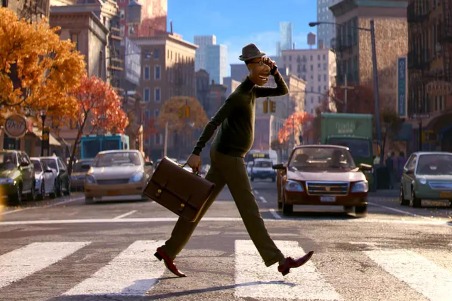
China's box office sales from Dec 28, 2020, to Jan 3 this year topped 2.13 billion yuan ($330 million), up 93 percent week on week.
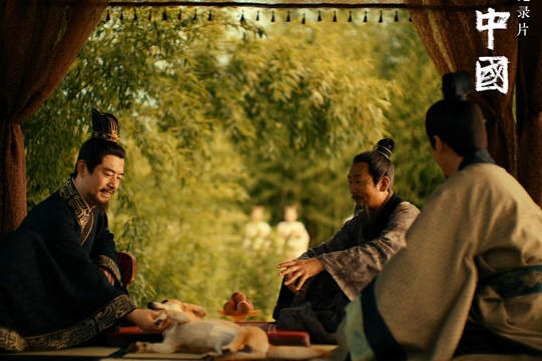
A documentary that reveals the evolution of philosophy, governance and culture through the ages in China has won public praise with its dramatic reconstruction of historical stories, spectacular photography, sensuous musical scores and an emotional, epideictic voice-over.
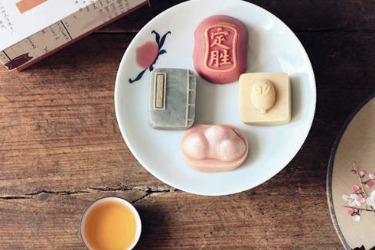
A growing number of Chinese museums are interpreting their exhibits to develop cultural and creative products in versatile ways.
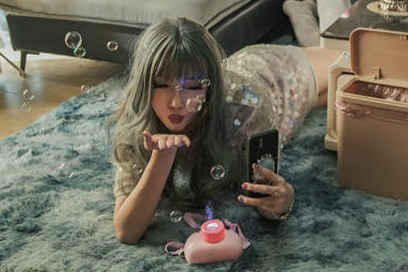
TV series directly relays the experiences of women and reveals how they combat prejudice, face challenges and build confidence.
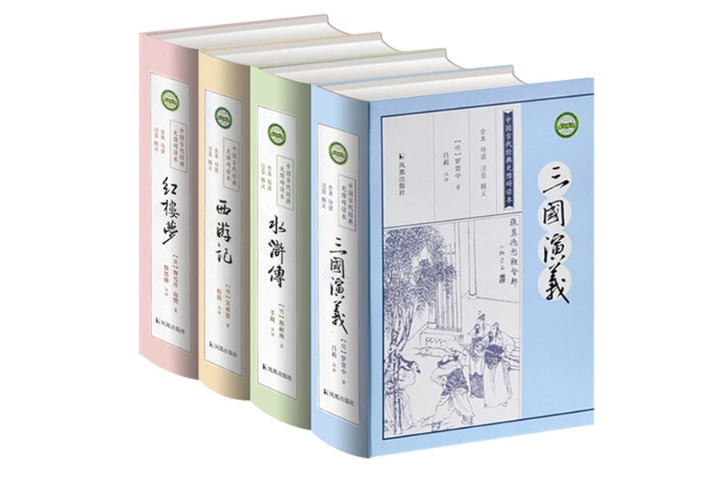
China and Pakistan signed a memorandum on translation and publication of classics Tuesday, in an effort to give fresh impetus to cultural and people-to-people exchanges between the two countries.
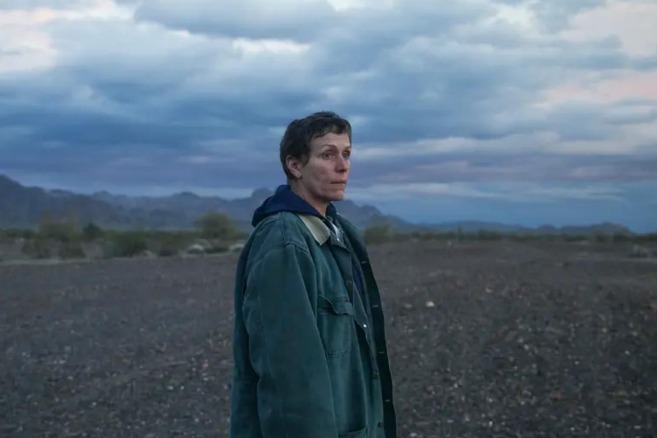
Chinese-born female director Chloe Zhao won Best Director award at 2020 North Carolina Film Critics Association (NCFCA) Awards for film Nomadland on Monday, continuing to sweep the awards circuit in the US.
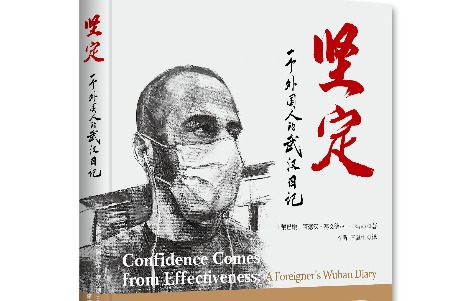
Having lived in Wuhan for five years, Sayed witnessed how Wuhan, after being hit hard by the pandemic, emerged victorious in its fight against the pandemic after making great sacrifices.
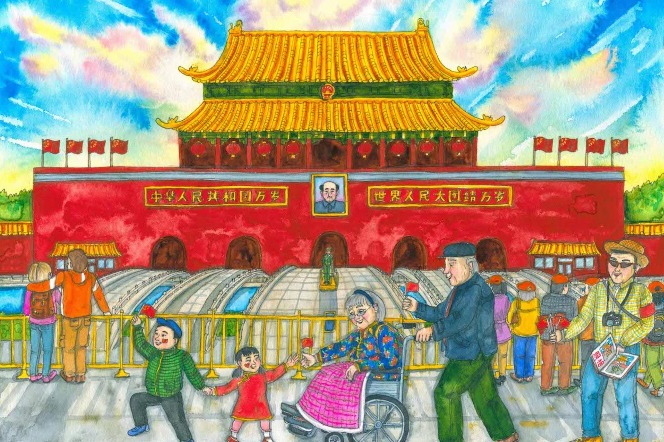
An ecstatic fan of the capital city, Liuba's paintings emanate a stroke of vividity -- skyscrapers stringing out along the flyovers, museums in artistic design, and kids playing with snow in quadrangle courtyards imbue the historical city with a modern twist and a thick breath of life.
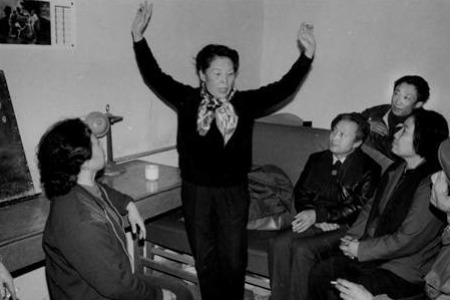
Beijing Dance Academy will launch a yearlong project, Dance For People, in 2021, which will see 100 dance productions presented online.
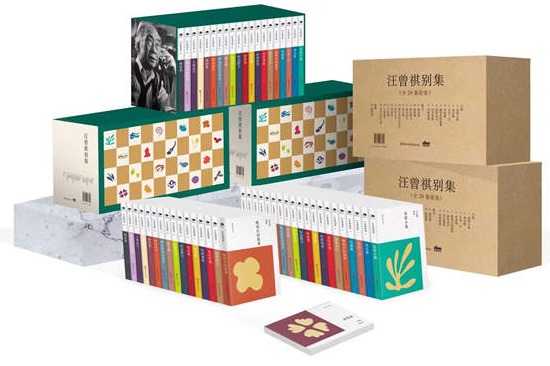
New collection offers complete view of late writer Wang Zengqi's literary legacy.
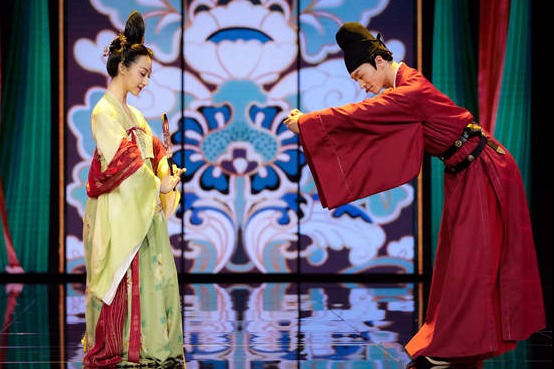
TV show highlighting attire of the ages reveals the rich heritage and complexity of Chinese culture. When picturing a bride, the first thing that comes to mind is perhaps an elegant white wedding dress decorated with exquisite lace. Well, that's if you follow Western folklore and fashion styles.
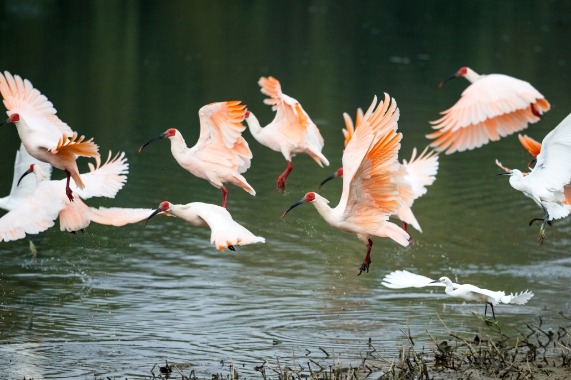
Central China's Qinling Mountain Range divides the country north to south. In winter, its gorges are blanked with white snow and silvery ice.

Presented by Chinaculture Registration Number: 京ICP备13028878号-4
Copyright © Ministry of Culture and Tourism, P.R.China. All rights reserved
Presented by Chinaculture Registration Number: 京ICP备13028878号-4
Copyright © Ministry of Culture and Tourism, P.R.China. All rights reserved



 京公网安备 11010502035176号