


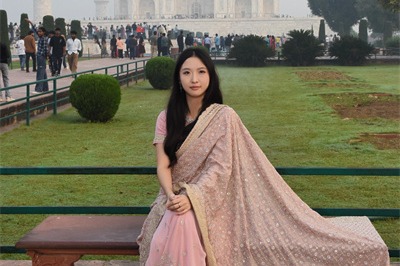
Deng Fuxin, from Mianyang, Sichuan province, studied Hindi for three years at the Communication University of China. Yet, when she first arrived in India last October, she was still amazed by the unexpected warmth and connection she experienced there.
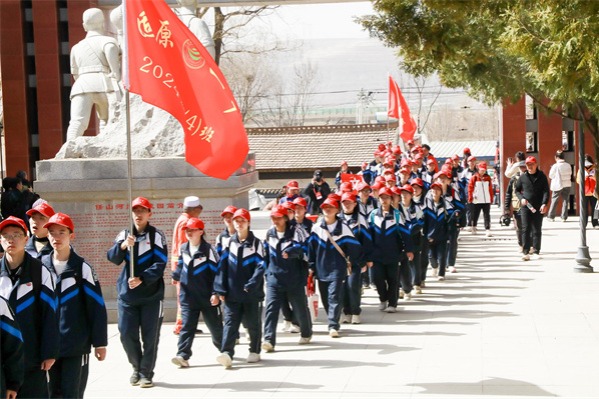
On the morning of April 3, the day before Qingming Festival (Tomb-Sweeping Day), 1,600 middle and high school students set off on a grueling 15-hour, 54-kilometer round-trip hike to honor martyrs in Guyuan city, Northwest China's Ningxia Hui autonomous region.

I had the honor of joining this year's 54-kilometer hike — a journey that went far beyond physical endurance.

At just 28 years old, Wan Changyou has already worked in the funeral industry for six years.

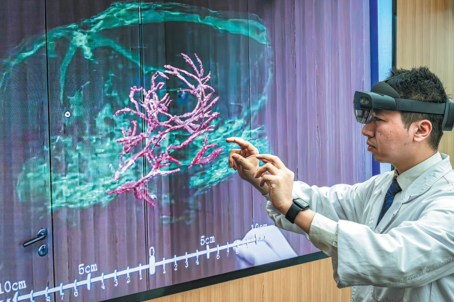
China is riding the wave of an AI-powered transformation. As artificial intelligence reshapes industries and daily life, it is not only driving automation and increasing efficiency but also unlocking new possibilities.

High schoolers from around the world recently proved that robotics isn't just about building machines — it's about tackling real-world challenges, one robot at a time.

At 30, Li Yangyang never imagined that her degree in international business would lead her to a career in ancient book restoration. From starting as a novice in the workplace to founding her own restoration studio, she spent six years carving out a niche in this specialized field.
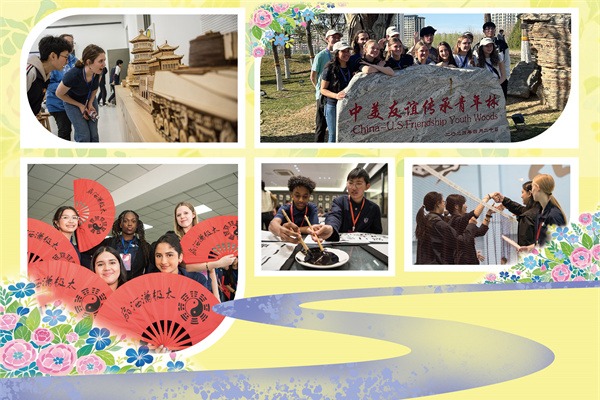
Against the backdrop of blooming cherry blossoms in early spring, the seeds of friendship between a group of Chinese and American students are also flourishing beautifully.
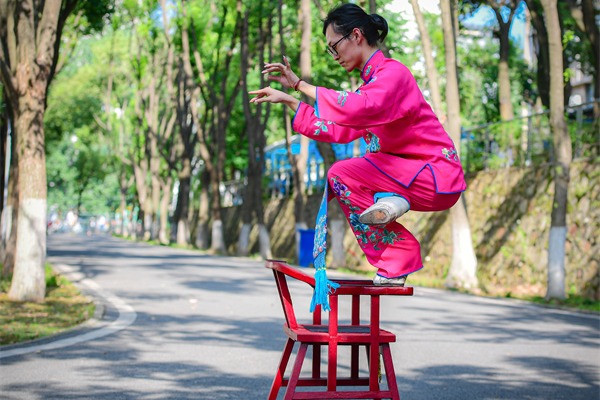
Recently, 21-year-old Zhang Tanhao has been working with a group of young Peking Opera enthusiasts to adapt the 1990s animated series Hulu Xiao Jin Gang (Diamond Brother) into a Peking Opera performance. Created by the Shanghai Animation Film Studio, this cartoon holds nostalgic value for many born in the 1990s and 2000s.


Presented by Chinaculture Registration Number: 京ICP备13028878号-4
Copyright © Ministry of Culture and Tourism, P.R.China. All rights reserved
Presented by Chinaculture Registration Number: 京ICP备13028878号-4
Copyright © Ministry of Culture and Tourism, P.R.China. All rights reserved



 京公网安备 11010502035176号