



A grassroots library in Beijing invites readers to take books freely and pass them on, spreading knowledge far beyond its walls.

A grassroots library in Beijing invites readers to take books freely and pass them on, spreading knowledge far beyond its walls.
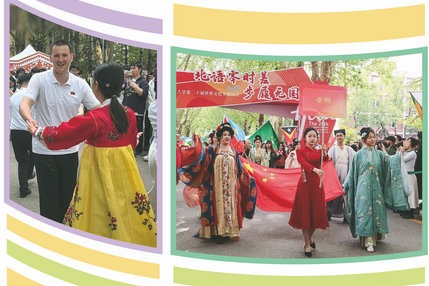
Returning to a vibrant celebration of cultures, a former US student reflects on the power of cultural exchange and the unity found in diversity.
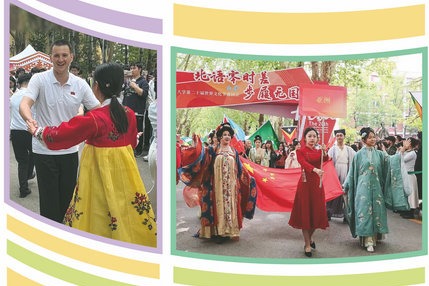
Returning to a vibrant celebration of cultures, a former US student reflects on the power of cultural exchange and the unity found in diversity.

Instead of spending hours at the doctor's office or sifting through endless search results for health advice, many young people are turning to AI-powered healthcare — where professional health tips are just a click away.

Instead of spending hours at the doctor's office or sifting through endless search results for health advice, many young people are turning to AI-powered healthcare — where professional health tips are just a click away.
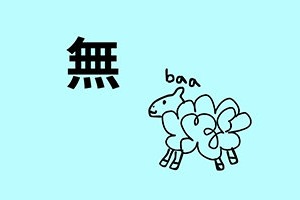
To most people, Chinese characters may seem like random combinations of strokes and radicals. But to Lena, a 20-year-old politics major from Northern Virginia, United States, each one tells its own story.
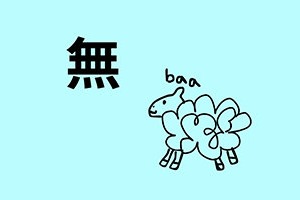
To most people, Chinese characters may seem like random combinations of strokes and radicals. But to Lena, a 20-year-old politics major from Northern Virginia, United States, each one tells its own story.
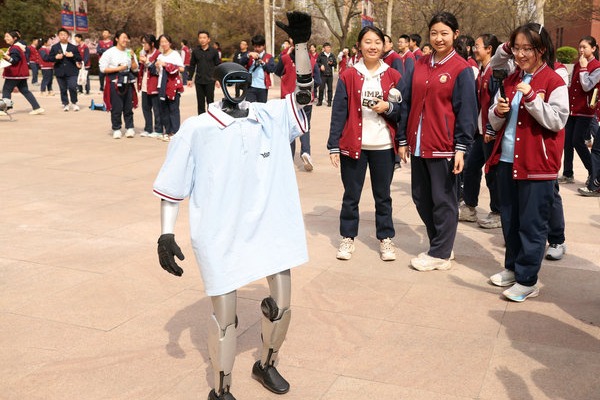
On April 10, Shanxi Experimental Secondary School in Taiyuan, Shanxi, held its annual Science and Technology Festival, where students enjoyed performances by humanoid robots and robotic dogs. Interactive activities, such as shaking hands with robots, gave students a close-up look at cutting-edge technology. The event aimed to spark creativity, inspire innovation, and cultivate a spirit of scientific exploration.
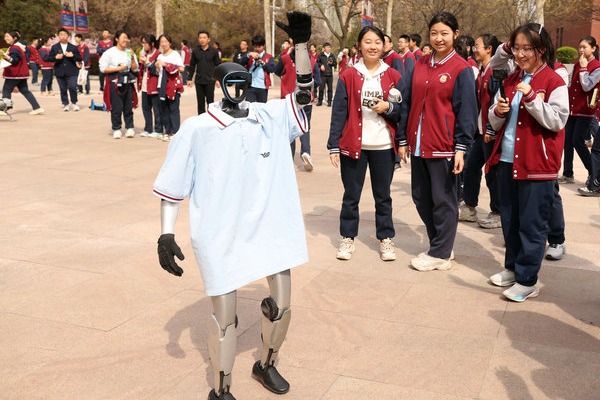
On April 10, Shanxi Experimental Secondary School in Taiyuan, Shanxi, held its annual Science and Technology Festival, where students enjoyed performances by humanoid robots and robotic dogs. Interactive activities, such as shaking hands with robots, gave students a close-up look at cutting-edge technology. The event aimed to spark creativity, inspire innovation, and cultivate a spirit of scientific exploration.
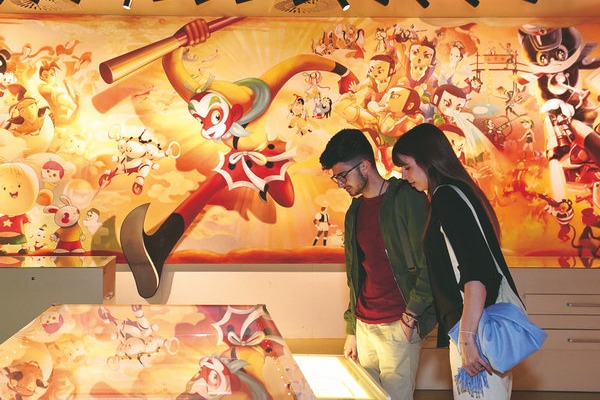
International youth explore Shanghai's vibrant blend of tradition and modernity, gaining new insights into Chinese culture and society.
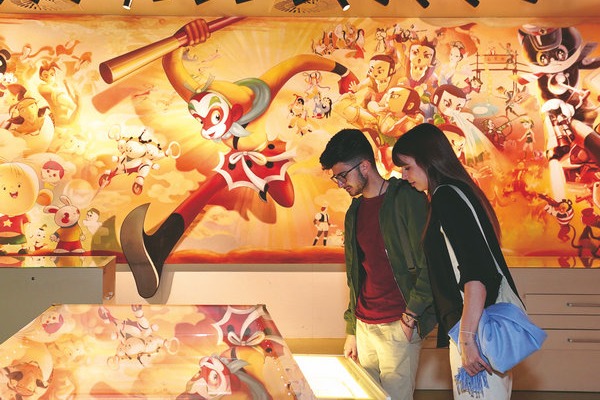
International youth explore Shanghai's vibrant blend of tradition and modernity, gaining new insights into Chinese culture and society.

Presented by Chinaculture Registration Number: 京ICP备13028878号-4
Copyright © Ministry of Culture and Tourism, P.R.China. All rights reserved
Presented by Chinaculture Registration Number: 京ICP备13028878号-4
Copyright © Ministry of Culture and Tourism, P.R.China. All rights reserved



 京公网安备 11010502035176号