



ANKARA — A growing number of urban Turks are turning to tai chi, with practitioners and instructors citing stress relief and rising interest in Chinese culture as key drivers in Turkiye's major cities.

In a remarkable cultural exchange that showcases China's rich musical heritage, the China National Traditional Orchestra and the Wuxi Chinese Orchestra are embarking on a European tour from Feb 10 to 27.

A joint archaeological team comprising Egyptian and Chinese experts has recently uncovered a series of significant findings at the Montu Temple precinct in the Karnak Temple Complex in Luxor, a city renowned for its historic monuments in southern Egypt.

Egypt is making a bold and calculated pivot eastward.

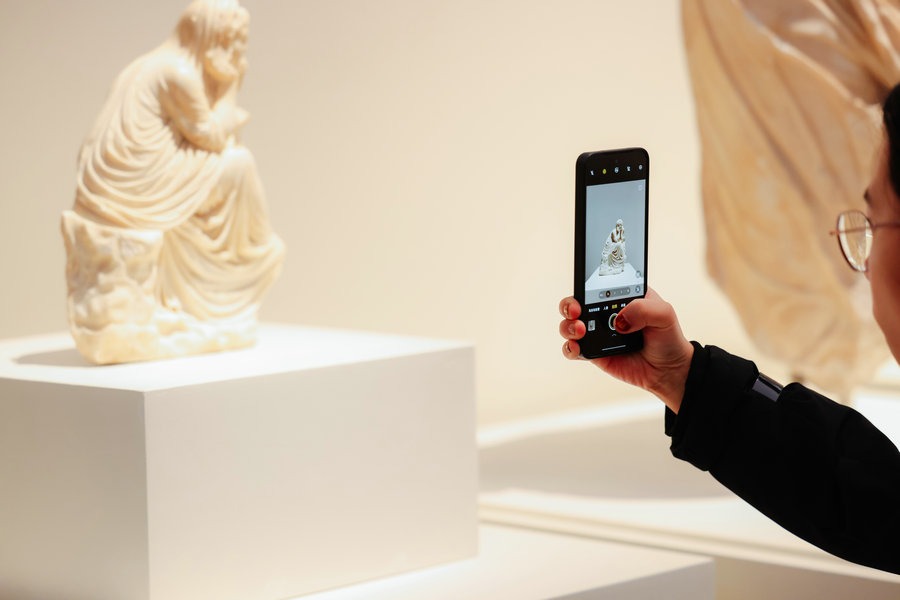
The exhibition A Journey to Ancient Greece was inaugurated at the Liangzhu Museum in Zhejiang province, on Friday, after being successfully presented at the Sanxingdui Museum in Guanghan, Sichuan province, for several months.
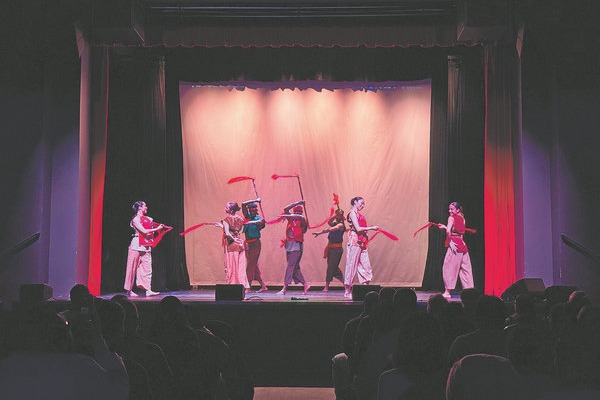
On a snowy Sunday earlier this month inside New Jersey's historic White Eagle Hall, the Nai-Ni Chen Dance Company launched its annual Chinese New Year tradition with Red Firecracker: The Legend of the Lunar New Year, welcoming the upcoming Year of the Horse.
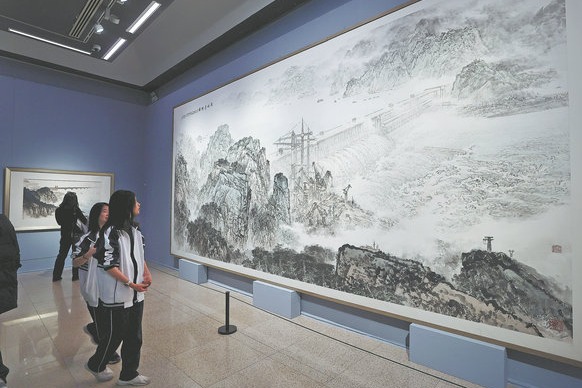
In 1973, Wu Guanzhong (1919-2010) and several other artists embarked on a months-long journey along the Yangtze River, starting from estuarine Shanghai and heading westward to Chongqing, a major city upstream.
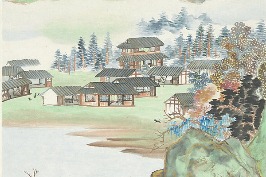
At an ongoing exhibition at the National Art Museum of China in Beijing, the image of the breeze is borrowed to symbolize the unpretentious, understated beauty of the Chinese ink art tradition, gently ushering viewers into a state of meditative stillness.
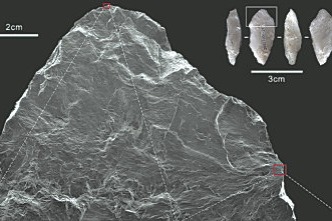
The latest discoveries in Central China's Henan province are filling critical gaps in understanding East Asia's role in human evolution during a key period of the Paleolithic era, shedding light on how ancient inhabitants adapted to fluctuating environments.
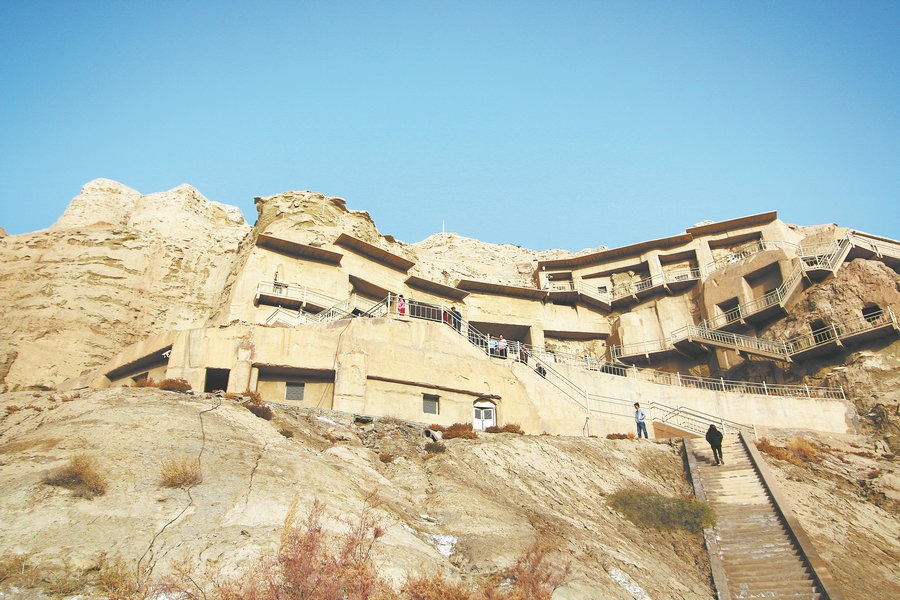
New book follows the journey of real-life Buddhist monk, Wukong, including the mortal's challenges during the decline of the Tang Dynasty, Wang Ru reports.
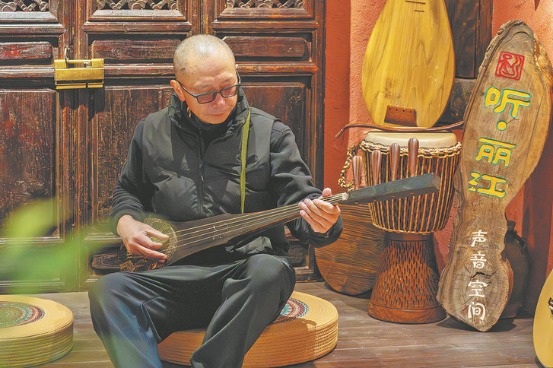
A Lijiang musician converts his family house into a listening space preserving local melodies and showcasing contemporary tunes.

Presented by Chinaculture Registration Number: 京ICP备13028878号-4
Copyright © Ministry of Culture and Tourism, P.R.China. All rights reserved
Presented by Chinaculture Registration Number: 京ICP备13028878号-4
Copyright © Ministry of Culture and Tourism, P.R.China. All rights reserved



 京公网安备 11010502035176号