









A grassroots mirror
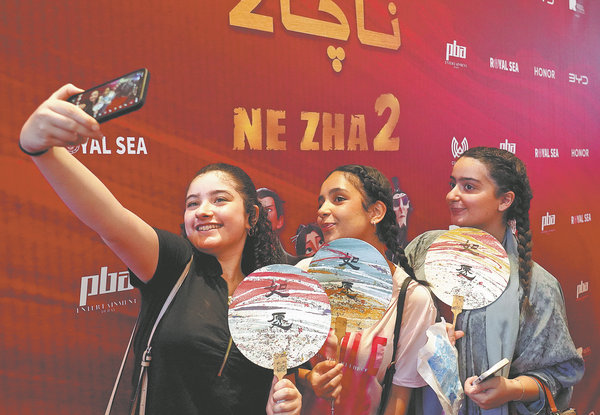
The most visible symbols of this renaissance are cinematic. The animated epic Ne Zha 2 didn't just break box-office records; it shattered paradigms. Becoming the world's first non-Hollywood film to fall into the category of grossing over $1 billion and, finally, amassing about $2.27 billion globally, it "is a miracle and a peak in Chinese cinema, a record that may remain unbroken for a long time", says Chen Xuguang, director of the Institute of Film, Television and Theatre at Peking University.
Its success lies not in mere spectacle — through approximately 2,000 VFX shots, a collaborative feat involving 138 studios, and a showcase of industrial might — but in its modern recalibration of a mythological rebel. The narrative channels a universal rage against destiny.
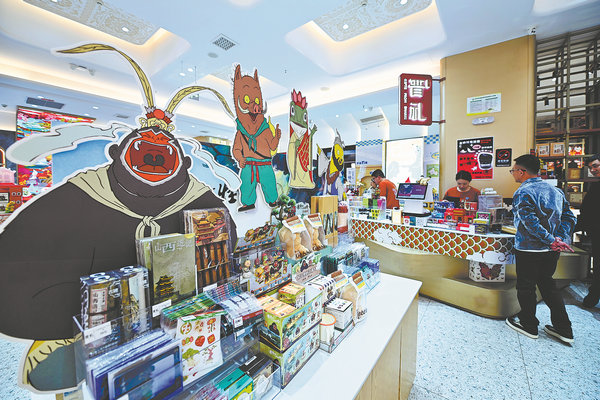
Its companion in success, however, took the opposite path. Nobody, a 2D animated film about four lowly monsters clumsily impersonating the legendary heroes of Journey to the West, became China's highest-grossing 2D animation by focusing on the mundane struggle for dignity. "I want to live the way I like," declares the pig monster, a line that resonated with millions.
Chen sees its genius in this "strong connection to reality", where adults' knowing, bittersweet laughter differs from children's delight. This "grassroots mirror", as moviegoers call it, reflects a cultural confidence secure enough in itself to deconstruct its own myths and find heroism in everyday life.
This impulse may find its purest form in "New Popular Literature and Art", a wave of amateur creativity in which delivery drivers, cleaners, veterans, and others from all walks of life turn lived experience into art, whether through poetry, prose or performance, finding their voice and audience on digital platforms.
Wang Jibing, a "deliveryman-poet", recounted in a People's Daily article in December that one of his poems, born from observing a tired shop owner and her child, was later translated and published in Italy. "We have caught the golden age of New Popular Literature and Art," he wrote. His experience captures a broader truth: this is a bottom-up democratization of storytelling, where cultural confidence is built from authentic, individual experiences.

Presented by Chinaculture Registration Number: 京ICP备13028878号-4
Copyright © Ministry of Culture and Tourism, P.R.China. All rights reserved
Presented by Chinaculture Registration Number: 京ICP备13028878号-4
Copyright © Ministry of Culture and Tourism, P.R.China. All rights reserved







 京公网安备 11010502035176号