


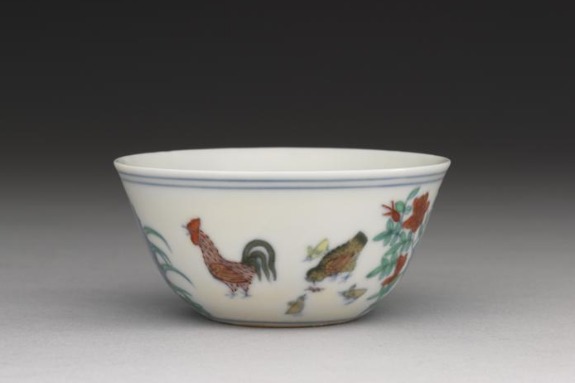
In 2014, a Chenghua jigangbei, or "chicken cup", created in the Ming Dynasty (1368-1644), was auctioned for HK$280 million ($36 million) at Sotheby's in Hong Kong.
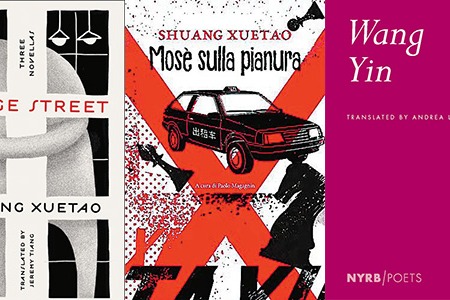
The Shanghai Translation Publishing House recently established a copyright office to cover works by Chinese writers overseas, in an effort to promote Chinese literature to the rest of the world.

A village at the south end of Duku Highway, a popular route in the Xinjiang Uygur autonomous region, has got a ticket to prosperity by providing one-stop tourism services.

The white apricot that grows in abundance and flourishes in Kuqa, Aksu prefecture in the Xinjiang Uygur autonomous region, has become a local specialty.
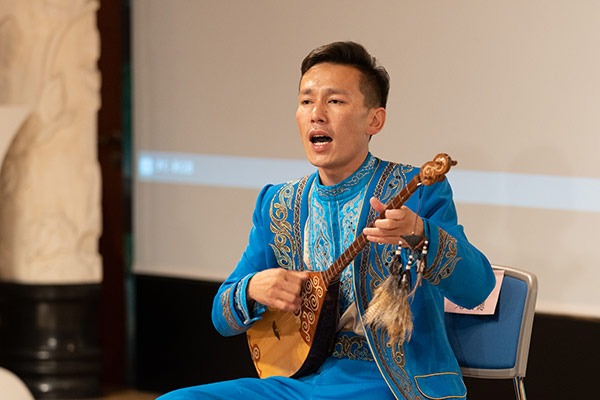
The annual China NCPA August Chorus Festival is set to take place from August 3 to 21 at the National Center for the Performing Arts in Beijing.

The largest showcase of works by Russian-French artist Marc Chagall (1887-1985) in China is currently taking place at Shanghai Jiushi Art Museum.
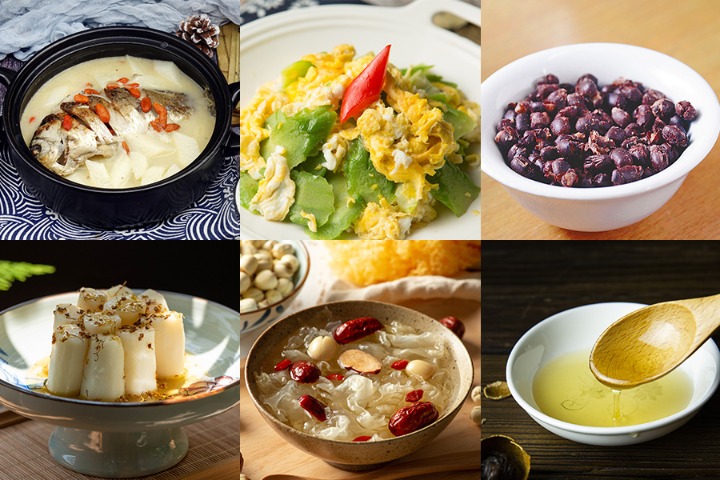
After Aug 6, you should eat more nourishing seasonal treats, to keep your body hydrated and healthy.

The new Era 2 acrobatic show that started at Shanghai Circus World on July 31 features a slew of upgrades, including new visual projections, costume designs and stunts.
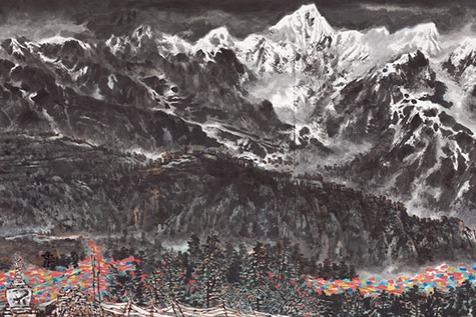
The Art Museum of Beijing Fine Art Academy is currently hosting Incredible Xiaoke, until Sunday, to commemorate Li Xiaoke, a shuimo ink-water artist who died in April in Beijing at 76.
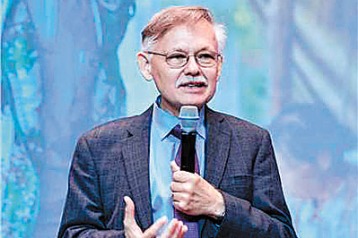
Launch of the new book raises a further discussion by experts and scholars from different countries in various fields.
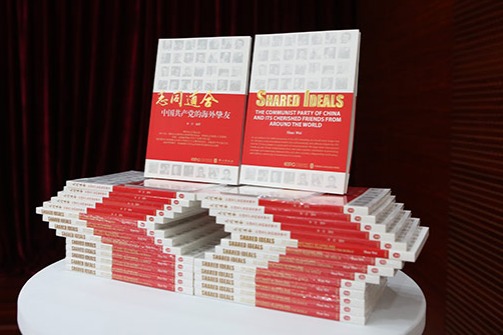
In the essay "In Memory of Norman Bethune", which was published by Chairman Mao Zedong on Dec 21, 1939, he praised Doctor Bethune as a man who "is already noble-minded and pure, a man of moral integrity and above vulgar interest, a man who is of value to the people".

Best-selling video game attracts players with new theme music from a traditional instrument, Chen Nan reports.

Presented by Chinaculture Registration Number: 京ICP备13028878号-4
Copyright © Ministry of Culture and Tourism, P.R.China. All rights reserved
Presented by Chinaculture Registration Number: 京ICP备13028878号-4
Copyright © Ministry of Culture and Tourism, P.R.China. All rights reserved



 京公网安备 11010502035176号