


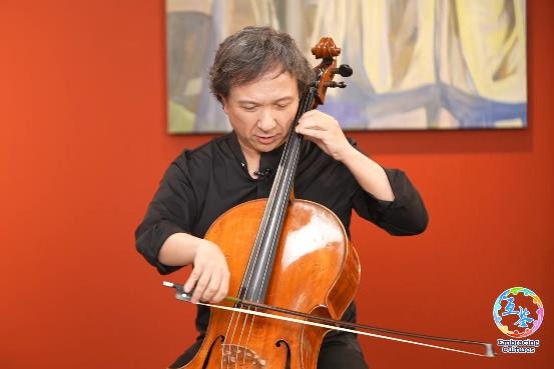
As the first Chinese student to be admitted to the Paris National Superior Conservatory of Music, cellist Chu Yi-Bing regards music as an art of listening.
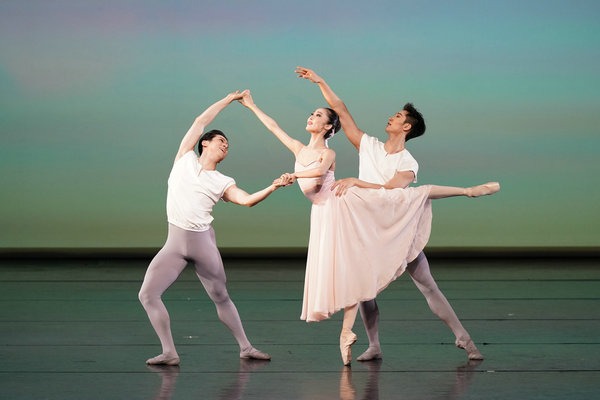
From May 5 to 7, the Tianqiao Theater in Beijing played host to the 14th edition of the National Ballet of China's annual ballet creative workshop, where a mesmerizing display of talent unfolded on stage.
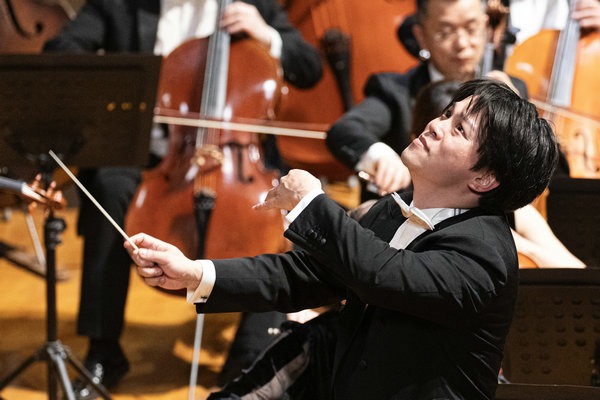
Conducted by Li Haoran, the illustrious Beijing Symphony Orchestra and esteemed musicians from the Tchaikovsky Symphony Orchestra mesmerized audiences in a concert at the Forbidden City Concert Hall in Beijing on May 5.
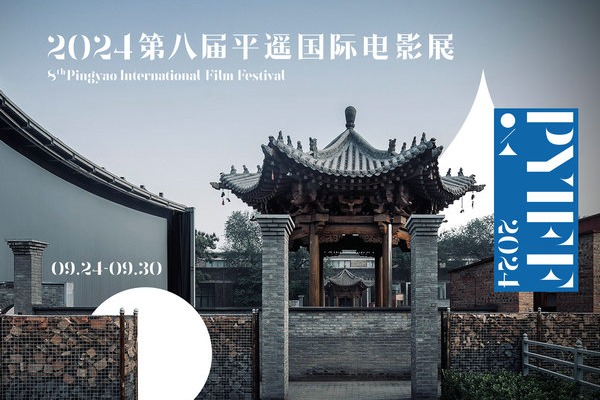
The eighth edition of the Pingyao International Film Festival, an esteemed annual event founded by renowned director Jia Zhangke, is set to take place from Sept 24 to 30 in the picturesque city of Pingyao, in Shanxi province.
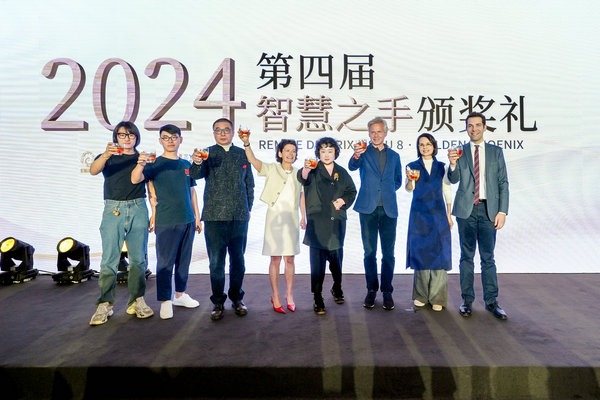
The Hand of Wisdom program, a collaborative Sino-French craft initiative, held its 2024 award ceremony on April 20, revealing woodworking maestro Hua Yong as this year's distinguished recipient.
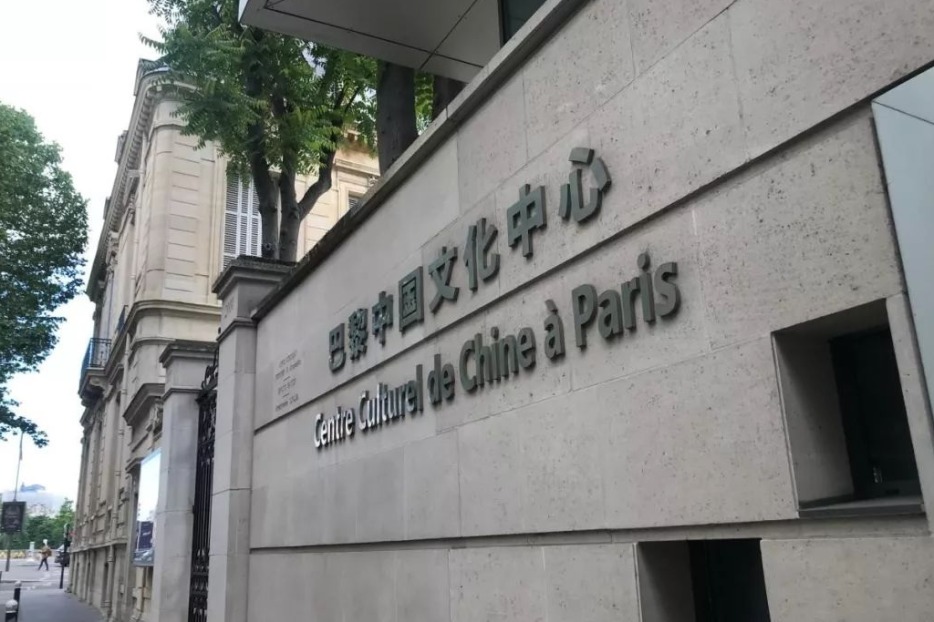
The China Cultural Center in the heart of Paris epitomizes the thriving relationship between China and France, driving a significant wave of cultural exchanges that have engaged audiences and enriched communities worldwide.
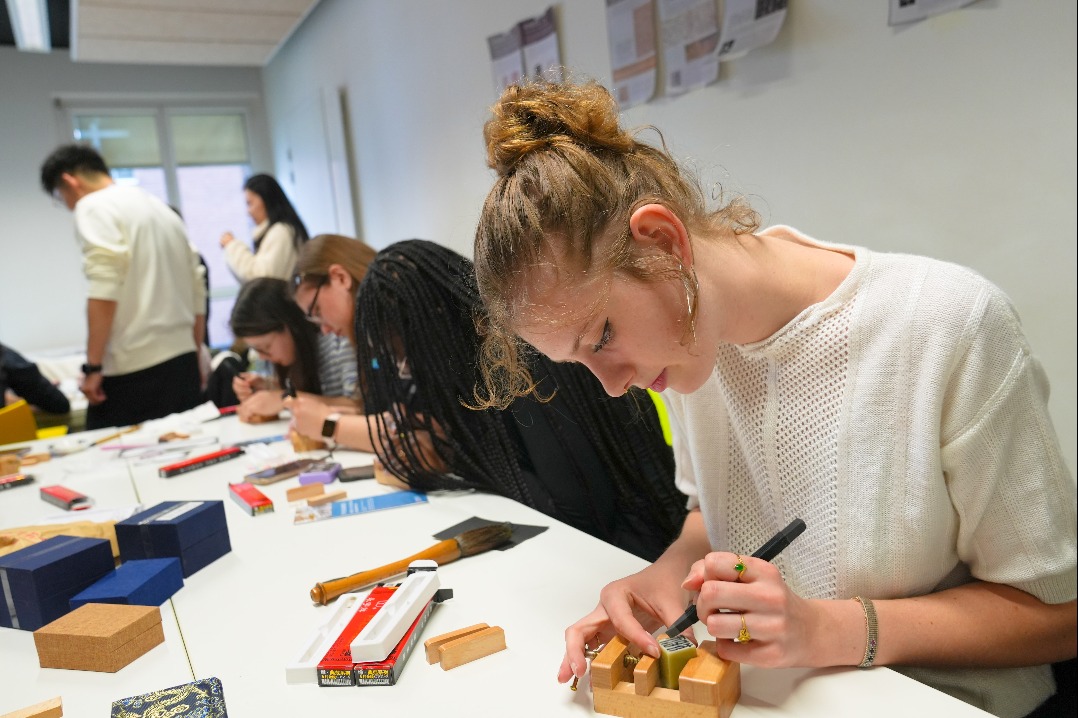
Students and members of the public in the French cities of Paris and Lyon recently got the opportunity to take part in a series of traditional Chinese cultural and sports events hosted by East China Normal University.
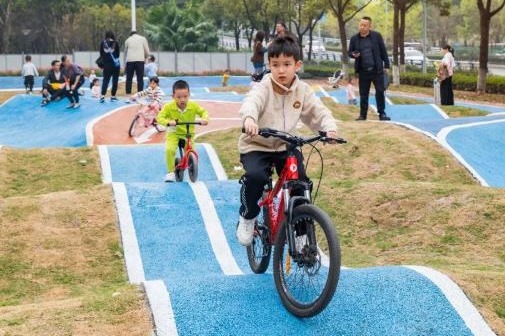
In late spring, when the flowers are in full bloom, the lush greenery of the parks in Chongqing attracts crowds of people eager to enjoy the scenery.
Is it possible to see mushrooms grow, hear flowers bloom, smell a rainforest and feel the air flow beneath the flapping wings of flamingos in a busy shopping mall in Beijing? It seems the answer to those questions is yes, as the latest exhibition at the Keyi Art Museum in Wanda Plaza takes the audience on a sensory journey to different parts of the planet.
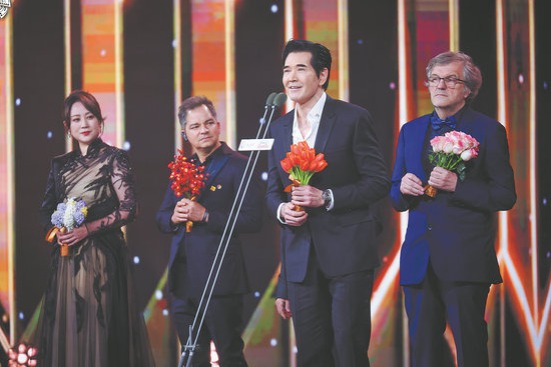
Former heartthrob singer tunes into movies with style and grace, Xu Fan reports.
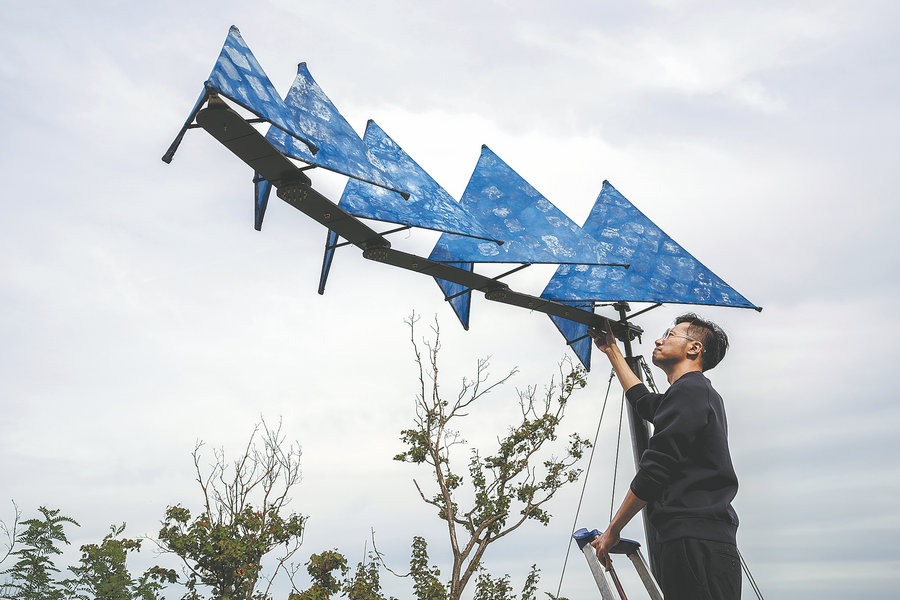
Innovative art residency program enhances exchanges between France and China, Cheng Yuezhu reports.
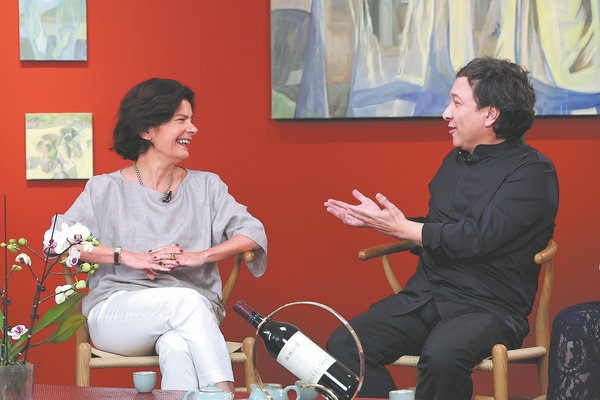
French writer and curator in Beijing joins a salon with a Chinese cellist trained in France to discuss how art, literature and music translate beyond the cliche of 'universal languages' to traverse intercultural intersections, Erik Nilsson reports.

Presented by Chinaculture Registration Number: 京ICP备13028878号-4
Copyright © Ministry of Culture and Tourism, P.R.China. All rights reserved
Presented by Chinaculture Registration Number: 京ICP备13028878号-4
Copyright © Ministry of Culture and Tourism, P.R.China. All rights reserved



 京公网安备 11010502035176号