



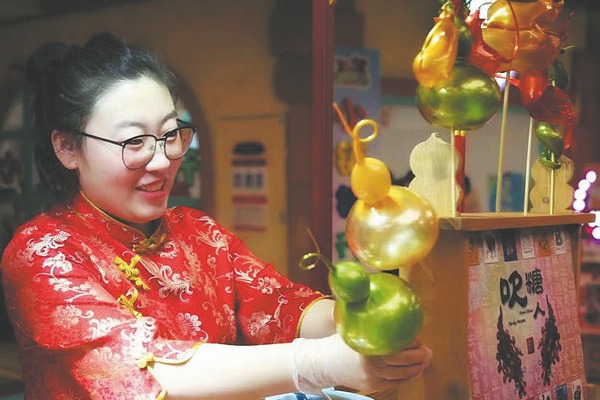
Inheritors take rail passengers on a moving tour of province's heritage, report Zhou Huiying and Tian Xuefei.
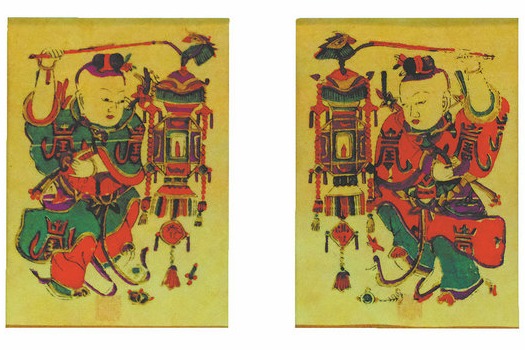
New Year woodblock exhibition at the Capital Museum explores past and present, Fang Aiqing reports.
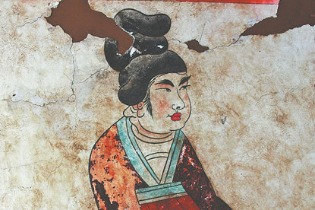
Gao Chunlin achieves childhood dream as a mural expert replicating Tang Dynasty tomb paintings with passion and detail, Wang Ru reports.
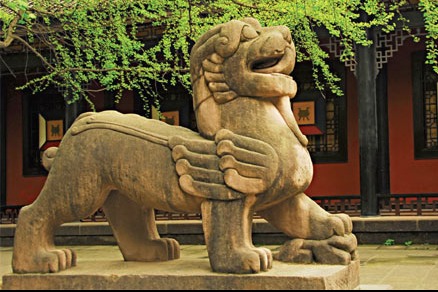
Before Chinese New Year, neatly folded pairs of red clothing occupied a prominent position in my closet, and in my drawer lay a pendant in the shape of a pixiu, a mythical beast that confers protection and prosperity on its wearer. But, I had asked myself, was I ready for the coming Year of the Snake, my Chinese zodiac year? Would these auspicious items help shepherd me through this period in safety?
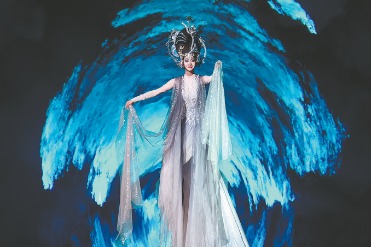
Stage production celebrates Langzhong's relaxed charm and historical importance, Chen Nan reports.
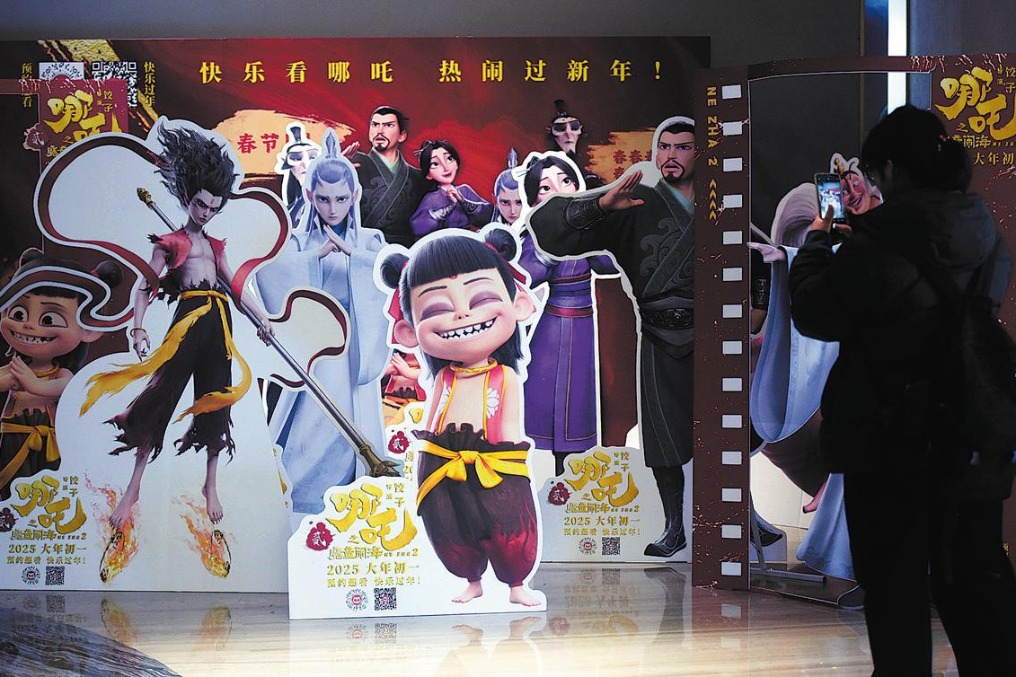
Ne Zha: Demon Child Conquers the Sea, or Ne Zha 2, has shattered multiple box office records, becoming the first film to earn $1 billion in a single market and the first non-Hollywood production to join the coveted billion-dollar club. The movie also debuted in the US over the weekend.
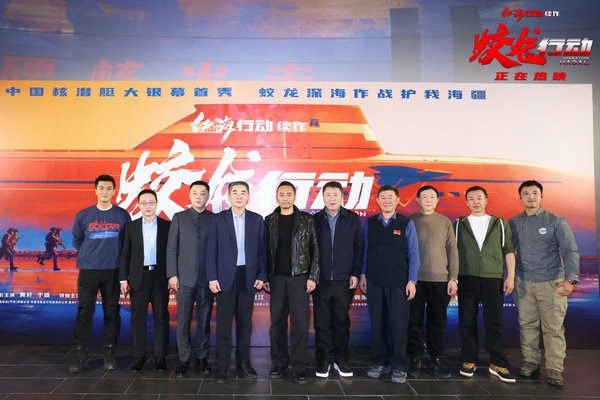
"Operation Hadal", the only military-themed film released during the Spring Festival, recently held an event in Beijing to respond to a scene which had sparked an online debate.
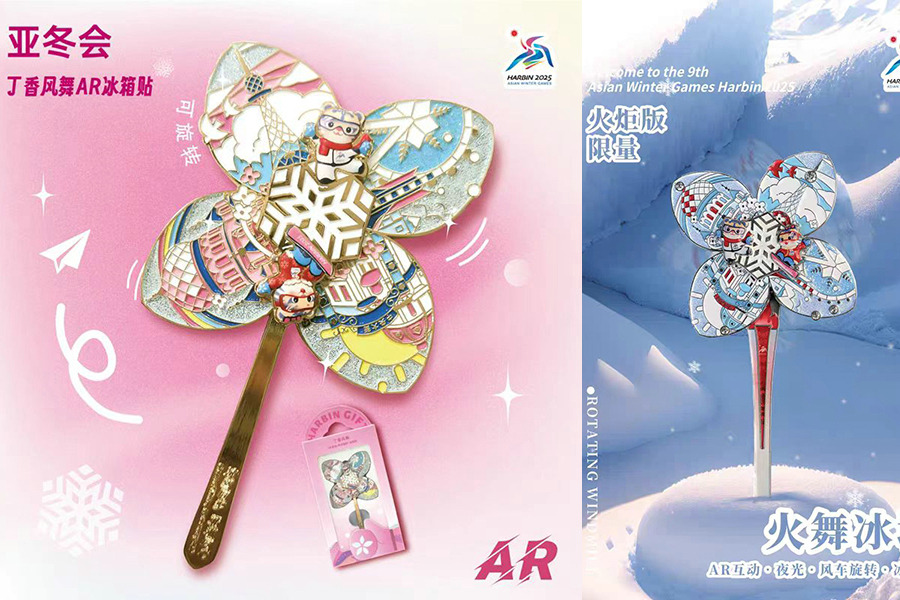
With the 9th Asian Winter Games in full swing in Harbin, Heilongjiang province, an assortment of official merchandise, ranging from pins and fridge magnets to the adorable Siberian tiger mascot figurines and plush toys, are selling like hotcakes.
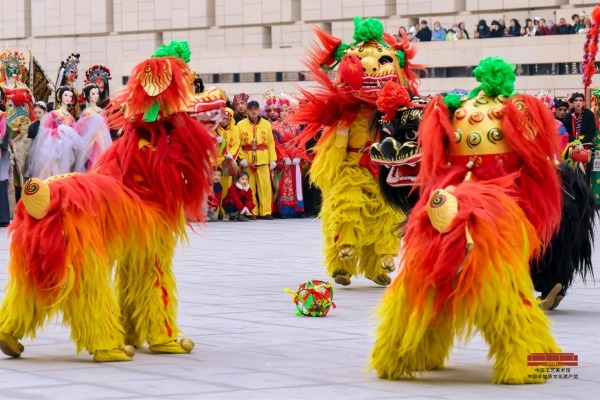
Province’s traditions brought to Beijing to enliven city’s celebrations this year
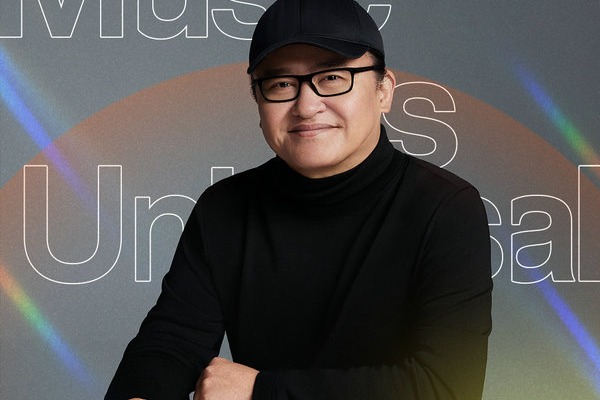
Liu Huan, a legendary pop artist and music educator, and the Universal Music Greater China, a division of the world-leading music company, Universal Music Group, announced an exclusive global agreement on Feb 11. It is the first time that a major part of Liu's body of work — both recording and publishing rights — will be united under one umbrella. The deal aims to further promote and preserve Liu's musical legacy, while amplifying the cultural impact of Chinese music globally. A prolific singer-songwriter and dedicated music educator, Liu has made significant contributions to the evolution of Chinese pop music scene. His enduring hits have defined each era since the 1980s, including Wan Wan De Yue Liang (The Crescent Moon) and Shao Nian Zhuang Zhi Bu Yan Chou (Young Aspiration Knows No Sorrow), making him a beloved household name in China. In the 1990s, Liu cemented his status as a national icon through his songs and compositions for the hit television series Beijingers in New York, including the beloved hit Qian Wan Ci De Wen (Time and Time Again). Later in the decade, his performance of Hao Han Ge (The Song of Heroes), the theme song for the TV adaptation of Water Margin, one of China's Four Great Classical Novels, became a cultural phenomenon. In the 2010s, Liu composed and performed the entire soundtrack for award-winning TV series Empresses in the Palace, which shattered viewership records and evoked nationwide acclaim. Liu's status as a cultural icon is reflected in performances that have defined pivotal moments in China's modern history. In 1990, he collaborated with female singer Wei Wei to perform Ya Zhou Xiong Feng (Mighty Winds of Asia), a song dedicated to the 11th Beijing Asian Games, capturing the spirit of optimism and ambition of the era. In 2008, Liu took center stage at the Beijing Olympics Game opening ceremony, performing You and Me alongside British soprano Sarah Brightman in a duet watched by billions around the world. Beyond his career as an artist, Liu Huan has dedicated himself to nurturing new talent and promoting original music. In 2012, he joined the inaugural season of The Voice of China, helping launch the careers of many of his students. In 2014, Liu spearheaded the critically acclaimed reality show Sing My Song, which spotlighted original music and introduced a new generation of singer-songwriters, producing a wealth of widely celebrated original songs. Furthering his commitment to musical originality, Liu established the Liu Huan Original Music Fund in 2019, a philanthropic initiative to support Chinese singer-songwriters, promoting the development and innovation of China's music industry. "We are deeply honored to stand alongside Liu Huan as his chosen partner, supporting him in this exciting new chapter of his illustrious career. His ability to create music that speaks to the soul of a nation is unparalleled, and his enduring artistic vitality makes him truly one of a kind. With his trust, we are committed to celebrating his musical legacy, and together, we aim to promote the development of Chinese music industry, continuing to elevate the global impact of Chinese culture," says Timothy Xu, Chairman and Chief Executive Officer of Universal Music Greater China.

Presented by Chinaculture Registration Number: 京ICP备13028878号-4
Copyright © Ministry of Culture and Tourism, P.R.China. All rights reserved
Presented by Chinaculture Registration Number: 京ICP备13028878号-4
Copyright © Ministry of Culture and Tourism, P.R.China. All rights reserved






 京公网安备 11010502035176号