



Audiences drawn to indie, classical performances

Epidemic or no epidemic, reskilling is fast becoming the need of the hour and the most talked-about topic. Developing new skills is no longer seen as just an adjunct, but more as a surefire way to succeed in a workplace where change is the only constant.
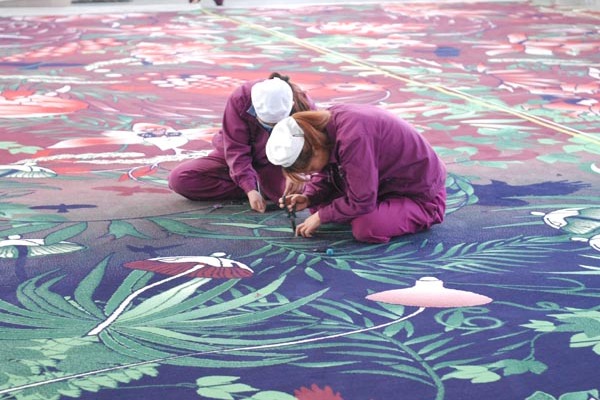
Tibetan-style carpet maker finds a global market after years of research and innovation.
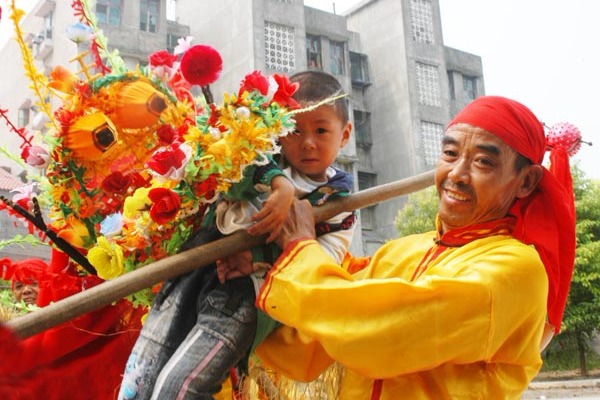
Hubei province's town keeps tradition alive as festival dragon entertains in dramatic style.
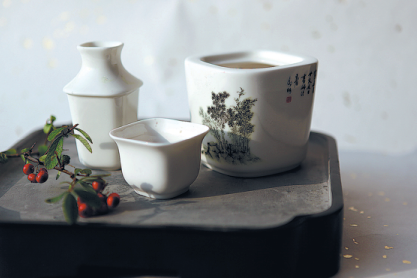
Museums have a focus on the past. It's the main part of their raison d'etre. But that does not exclude acknowledging that they have a role to play in today's society.
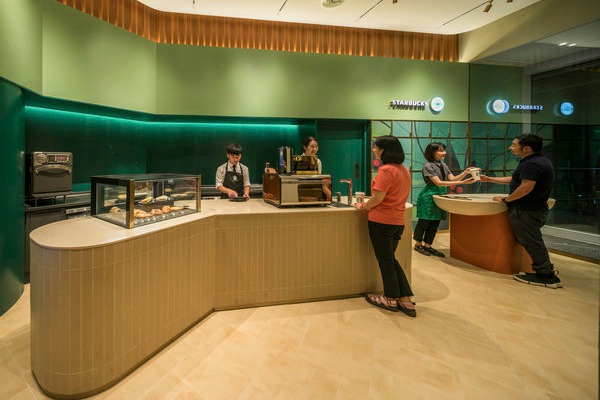
Leading coffee chains are banking on the strong growth seen in the recent quarters to chart store expansions and penetration into more lower-tier cities, despite the huge surge in online orders due to the COVID-19 restrictions.

China's retail coffee market is witnessing robust growth in terms of financing and sales, thanks to the growing demand for instant coffee products due to the large number of people working from home and reduced in-store coffee consumption, experts said.
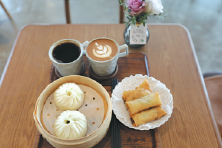
For many Chinese consumers, a satisfying breakfast is one that includes either hot porridge or steamed buns. Cold sandwiches, which are usually popular with Westerners, are probably one of the last options on their minds.

While some people might view breakfast as optional, most Shanghainese, despite living in arguably the most fast-paced city in China, won't be caught skipping this meal no matter how busy they are.

The COVID-19 outbreak has not only changed people's daily lives but altered their preferences for modes of travel. Self-driving tours, thanks to their greater privacy and health safety options, have grown to be a popular choice for travelers.
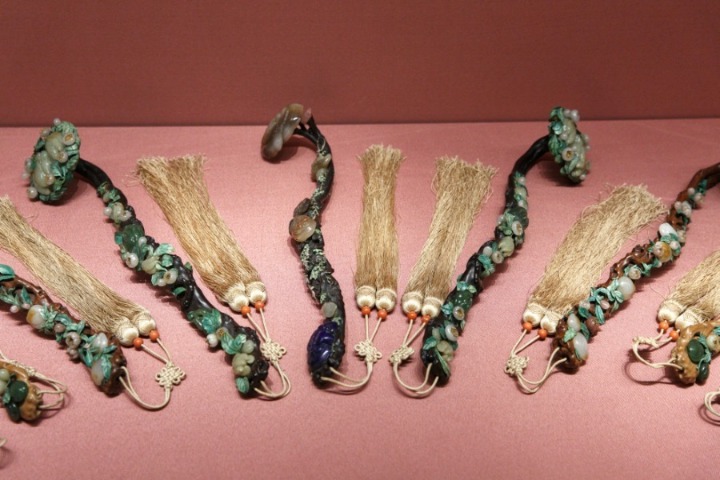
As the Year of the Ox approaches, the Shenwu Gate Exhibition Hall of the Palace Museum will host Auspiciousness: Ruyi at the Palace Museum, which will open to the public starting tomorrow. The exhibition will run until May 9.
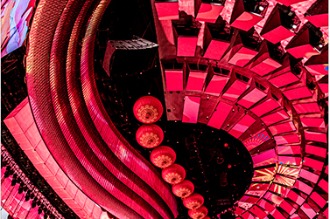
The annual Spring Festival Gala will be broadcast live on CCTV at 8 pm on Thursday (Feb 11) to celebrate the Spring Festival, the biggest traditional Chinese holiday. This year is the Year of the Ox, the second in the cycle of 12 Chinese zodiac signs.

Presented by Chinaculture Registration Number: 京ICP备13028878号-4
Copyright © Ministry of Culture and Tourism, P.R.China. All rights reserved
Presented by Chinaculture Registration Number: 京ICP备13028878号-4
Copyright © Ministry of Culture and Tourism, P.R.China. All rights reserved



 京公网安备 11010502035176号