


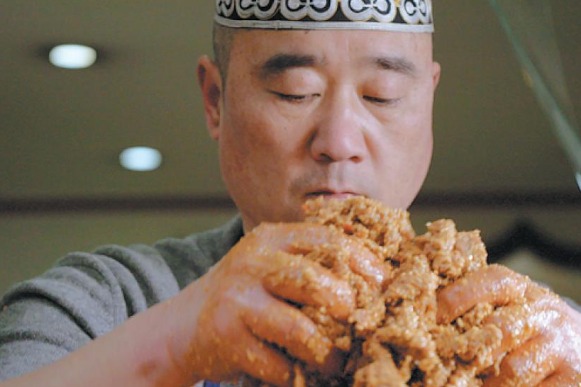
Documentary team ignores top-class chefs and glitzy restaurants to focus on the joys of home cooking, Li Yingxue reports.
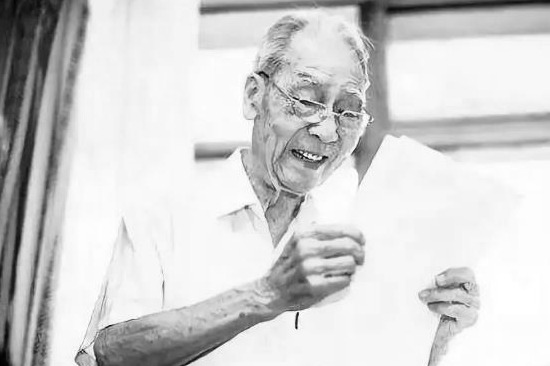
Xu Yuanchong, a noted translator in China and a professor at the School of Journalism and Communication of Peking University, died in Beijing on Thursday, according to a post published by the official Sina Weibo account of Peking University. Xu was 100.
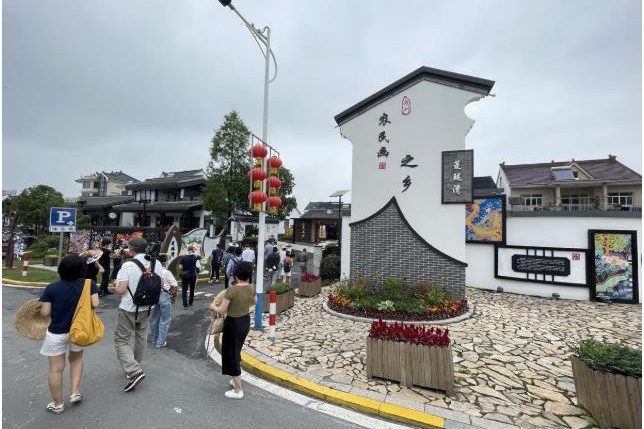
A group of foreign reporters visited the Linglongwan art village in Jiaxing, East China's Zhejiang province, on June 16.
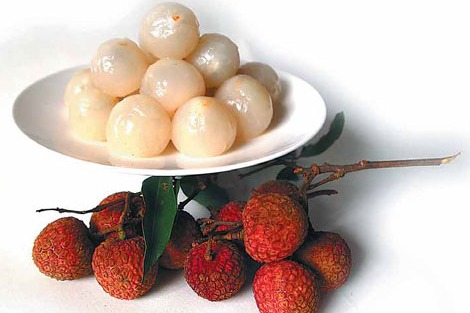
At a Guangdong lychee tasting and cocktail reception held recently in San Francisco, more than 100 guests from all walks of life attended the event, part of a global promotion campaign for Guangdong lychees.

Witnessing progress on the road to adventure
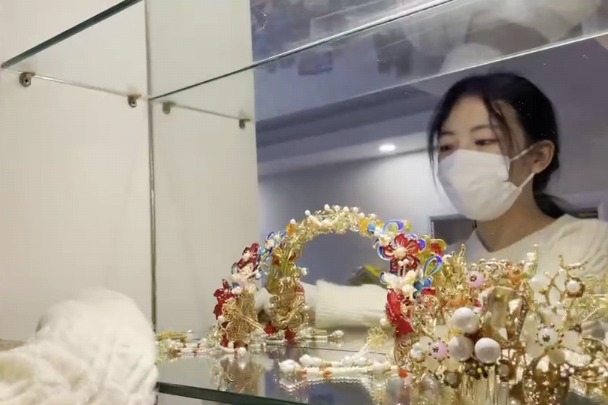
Death of a loved one means people often face dilemma over what to do with their belongings, Chen Nan reports.
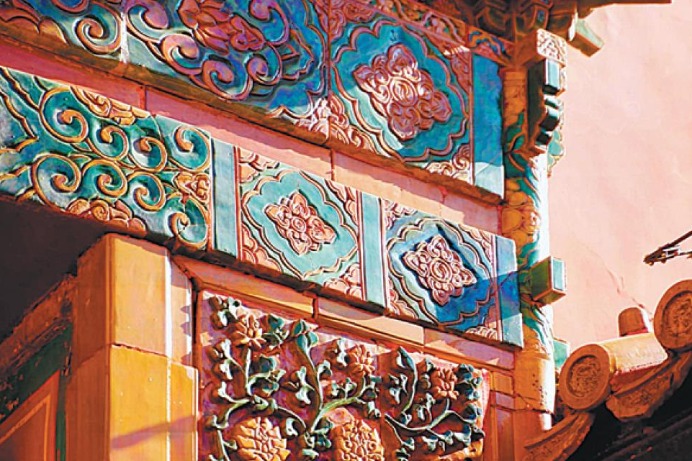
What are the colors of the Forbidden City in Beijing? Red and yellow? Yes, but not completely, if you are observant enough.
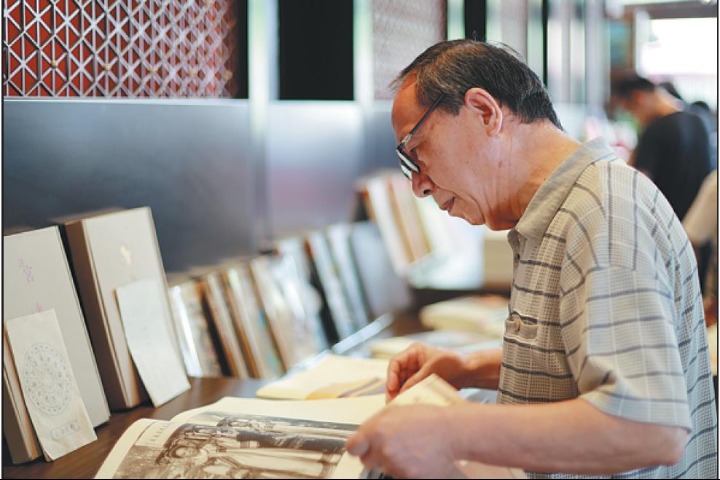
A former trading house site in southwestern China, where precious cultural relics were saved from invaders, reopens as a museum, report Wang Kaihao in Beijing and Deng Rui in Chongqing.
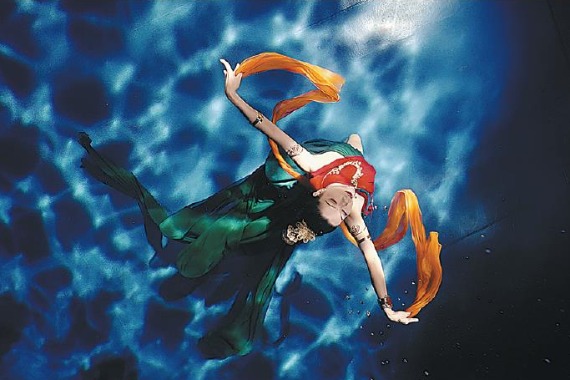
Legend given innovative treatment as performer creates a splash with her graceful movements to enchant millions of viewers, Chen Nan reports.
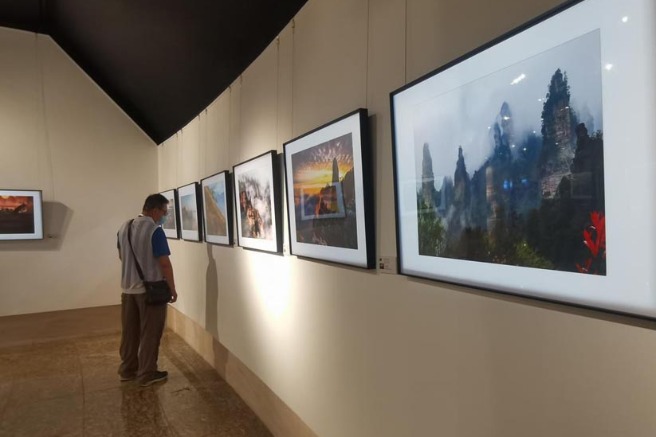
A special photo exhibition was held in the World Art Museum of the China Millennium Monument in Beijing to celebrate the country's Cultural and Natural Day, which falls on June 12.
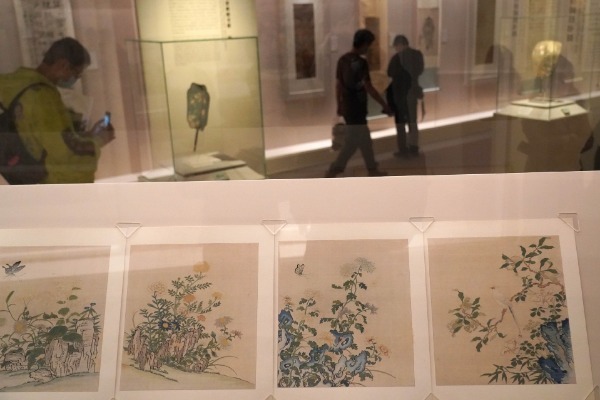
In the ancient city of Suzhou in East China's Jiangsu province, lawyer Mitch Dudek from the United States built a private museum where visitors can have direct contact with all the exhibits on display.
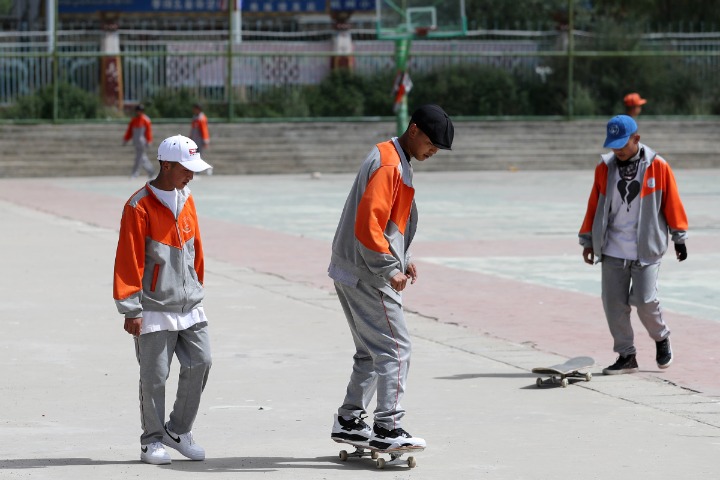
Schools make adjustments to provide better opportunities for students from the region's elevated altitudes, Xu Lin reports.

Presented by Chinaculture Registration Number: 京ICP备13028878号-4
Copyright © Ministry of Culture and Tourism, P.R.China. All rights reserved
Presented by Chinaculture Registration Number: 京ICP备13028878号-4
Copyright © Ministry of Culture and Tourism, P.R.China. All rights reserved



 京公网安备 11010502035176号