



The China-Kenya film festival was launched Monday night at an upscale shopping mall north of the Kenyan capital of Nairobi, with senior officials renewing calls for enhanced Sino-Kenyan cultural ties.

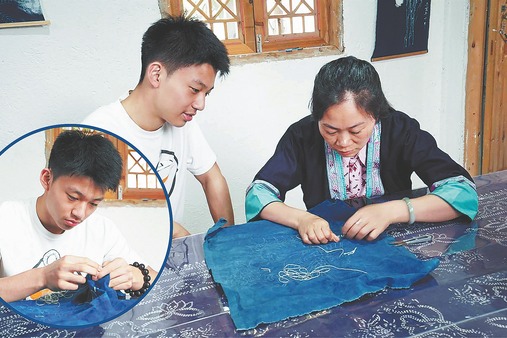
Zhang Xiao, a 17-year-old boy from Zhuhai, Guangdong province, has always been interested in traditional Chinese handicrafts.
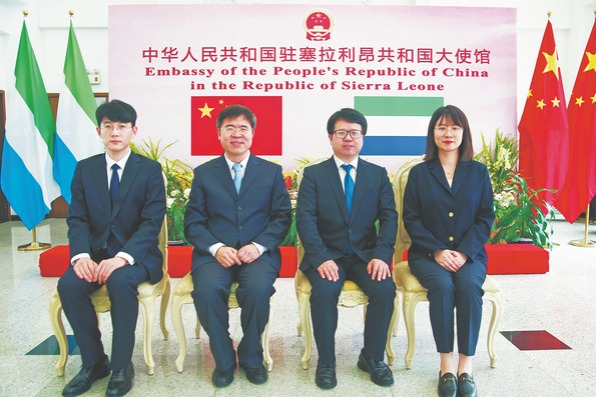
From July 23 to Aug 12, Tian Qi joined a team of three Chinese doctors on a trip to Freetown, the capital city of The Republic of Sierra Leone in West Africa.

The Qixi Festival — the seventh day of the seventh lunar month — falls on Aug 22 this year.

In today's digital world, young people in Taiwan and the Chinese mainland are connecting in exciting new ways.
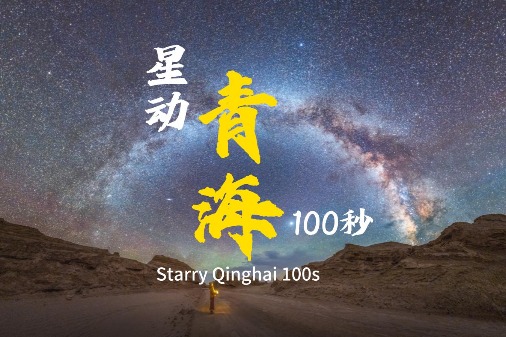
As night descends, the mesmerizing starry sky in Qinghai province unveils the breathtaking beauty of this place, showcasing the province's exceptional ecological conditions.
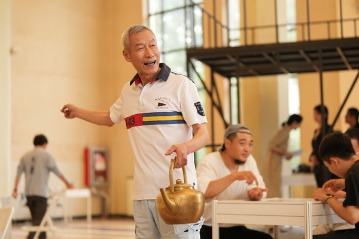
A Chinese play, titled From West to East, which is about the ups and downs of the century-old Beijing hotpot restaurant Dong Lai Shun, will premiere in Beijing, with performances from Sept 15 to 20.
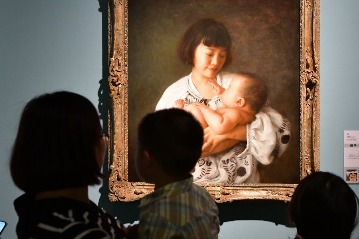
Drawing For Mom, an exhibition at the Taicang Art Museum in Taicang, Jiangsu province, features 97 paintings focusing on the subject of mothers. [Photo provided to China Daily]
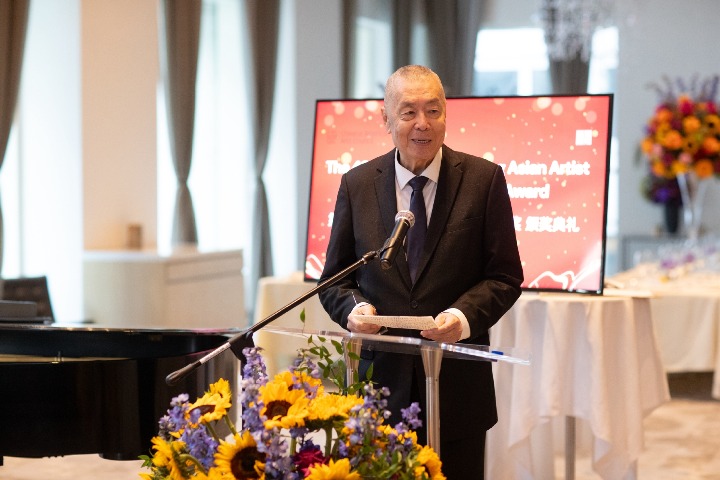
Liu Shikun, an 84-year-old Chinese piano maestro, has been honored with the Most Outstanding Asian Artist Lifetime Achievement Award in New York City over the weekend.
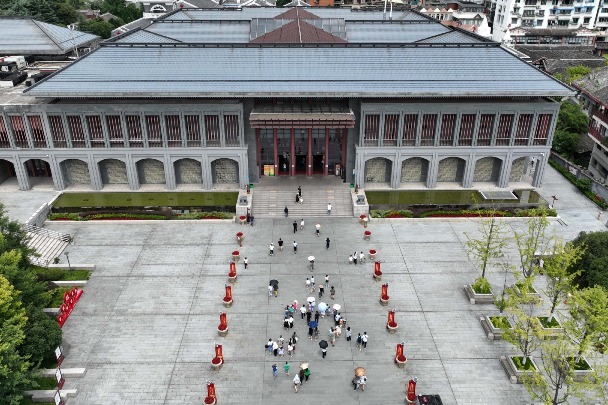
The site of the Zunyi Meeting is teeming with tourists this summer, according to statistics; the attraction has received over 30,000 tourists since the beginning of July.
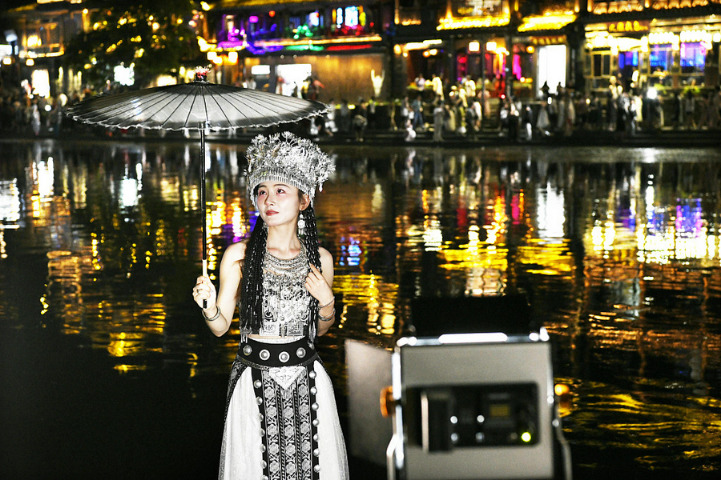
Travel photography is a novel form of cultural tourism that's taking root in Fenghuang Ancient City, Central China's Hunan province, drawing crowds of tourists and enhancing the travel experience for visitors as the nighttime scenery provides an awe-inspiring backdrop for that perfect picture. The bright neon lights overlooking the Tuojiang River only add to the spectacular setting for that memorable night photoshoot.

Presented by Chinaculture Registration Number: 京ICP备13028878号-4
Copyright © Ministry of Culture and Tourism, P.R.China. All rights reserved
Presented by Chinaculture Registration Number: 京ICP备13028878号-4
Copyright © Ministry of Culture and Tourism, P.R.China. All rights reserved



 京公网安备 11010502035176号