









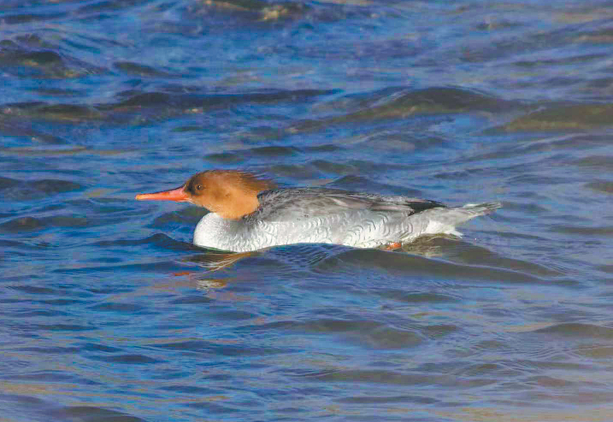
Townshend's work has taken on increasingly scientific and policy-oriented dimensions. With Peking University, he collaborated on a project recording the nocturnal migration calls of birds over Beijing, detecting more than 100 species in a single autumn. The findings were presented to city officials, who have said the results will inform policies involving habitat management.
In 2021, he was awarded a gold Beijing Citizen Award by Beijing News for services to the environment.
He is now trying to introduce artificial intelligence to analyze bird migration data, aiming to identify concentration zones where light pollution, a significant hazard for night-migrating birds, could be reduced. "If we know where birds fly most, we can suggest turning lights off or shielding them during peak migration," he says.

Presented by Chinaculture Registration Number: 京ICP备13028878号-4
Copyright © Ministry of Culture and Tourism, P.R.China. All rights reserved
Presented by Chinaculture Registration Number: 京ICP备13028878号-4
Copyright © Ministry of Culture and Tourism, P.R.China. All rights reserved







 京公网安备 11010502035176号