
“Celebrating Chinese holidays like the Lunar New Year provides the museum an opportunity to present our Chinese visitors engagement tools, including the Chinese Visitor Guide, Chinese Pocket Guide, Chinese Audio Guide, Weibo and WeChat channels,” Nora Gainer, director of tourism marketing at the Art Institute of Chicago.
The museum benefits from a vibrant Chinese community in Chicago and has seen an increase in Chinese visitors in general, according to Gainer, who said that Chinese visitors’ trips to museum are projected to grow by 13 percent a year through 2020.
“Our hope is for visitors to engage in cultural exchange through a variety of activities to gain a better understanding of Chinese arts and culture,” Gainer said.
The Chinese New Year celebration is the embodiment of the museum’s mission, which is “to collect, preserve, and interpret works of art of the highest quality, representing the world’s diverse artistic traditions, for the inspiration and education of the public”, she added.
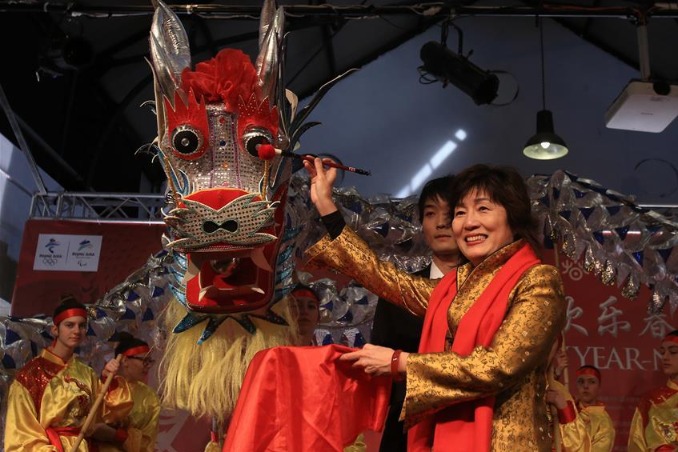
The Art Institute in Chicago is not restricting the events to museum attendees. Besides indoor activities, it also planned lion dance performance, lantern procession, and other celebratory activities in the city’s landmark Millennium Park.
In 2018, The Met saw the festival’s connection to culture and heritage as the top motivator for families to attend, with 61 percent generally interested in the culture, and 36 percent noting their children’s heritage.
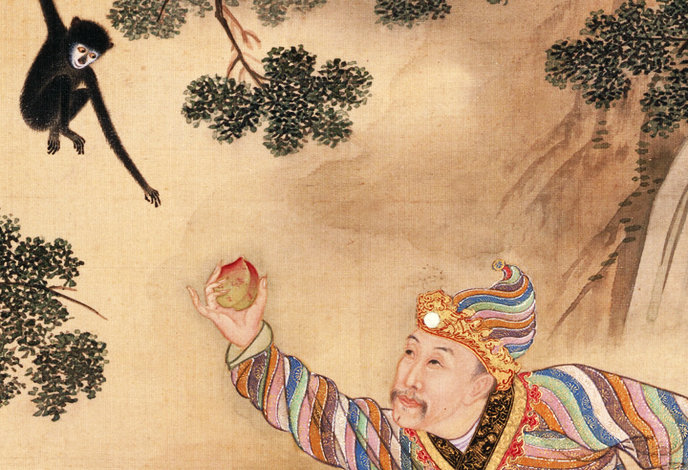
The Met also plans an annual exhibition for the Chinese zodiac. This year, the six-month exhibition features pigs created by Chinese artists within the last 2,000 years.
“Chinese Lunar New Year intersects with many different traditions and art forms, and its themes of animals, renewal and family are a perfect entry point into our programs and collections,” said Baill, of the Philadelphia museum.
The celebration program is “an outreach for people who don’t usually come to the museum to be able to come and explore”, said Hiromi Kinoshita, curator of Chinese art at the Philadelphia Museum of Art.
The celebrations are entryways that would get people into the gallery even if they have no background knowledge in Chinese art, said Kinoshita, “and they might find something that is interesting or fascinating.”
For a museum that is most well known for its Western arts, the events would introduce people to its Chinese collections, and furthermore, the Chinese culture, as “art is related to Chinese culture”, she said.
“The museum is … using artworks in our Chinese collections as a lens through which visitors can learn about new traditions or enhance their family’s own celebrations at this important time of year in so many places across the world,” said Baill.
“Festivals serve as a gateway for new and diverse audiences to connect with The Met through experiences that bridge art and culture, past and present,” Seibert told China Daily.

Presented by Chinadaily.com.cn Registration Number: 10023870-7 京ICP备13028878号-4
Copyright © Ministry of Culture and Tourism, P.R.China. All rights reserved





 京公网安备 11010502035176号