



On May 19, in commemoration of the 14th China Tourism Day, the Beijing Municipal Bureau of Culture and Tourism orchestrated a dynamic promotional event. The objective of this gathering was to tap into consumer potential, propel the high-quality advancement of the tourism sector, and cater more effectively to the diverse desires of the populace.
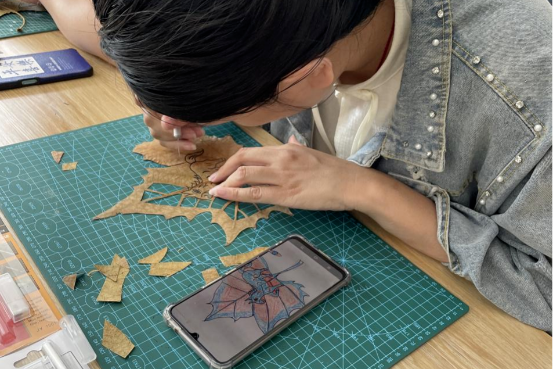
In a bustling scene on Chongwen Street, Guanxian county, Shandong province, a leaf carving class recently captivated a large audience of primary school students and their parents. The event, led by Yang Guifen, a revered local custodian of intangible cultural heritage, offered a comprehensive insight into the intricate art of leaf carving, spanning its production techniques, historical significance, and evolutionary innovations.

Capital Gateway Image, an enlightening exhibition hosted at the Needart space in Beijing's vibrant Wangjing district, serves as a retrospective on the evolution of public art at both airports.


The Hong Kong Philharmonic Orchestra recently wrapped up its tour across the Chinese mainland with a mesmerizing concert on May 18 at the National Center for the Performing Arts in Beijing, conducted by the orchestra's principal guest conductor, Yu Long.

Set to debut at the Tianqiao Performing Arts Center in Beijing from June 6 to June 9, the Chinese musical Me & My Lei Feng is poised to captivate audiences with its heartfelt narrative centered around Lei Feng, a revered figure in Chinese culture renowned for his selflessness and dedication.
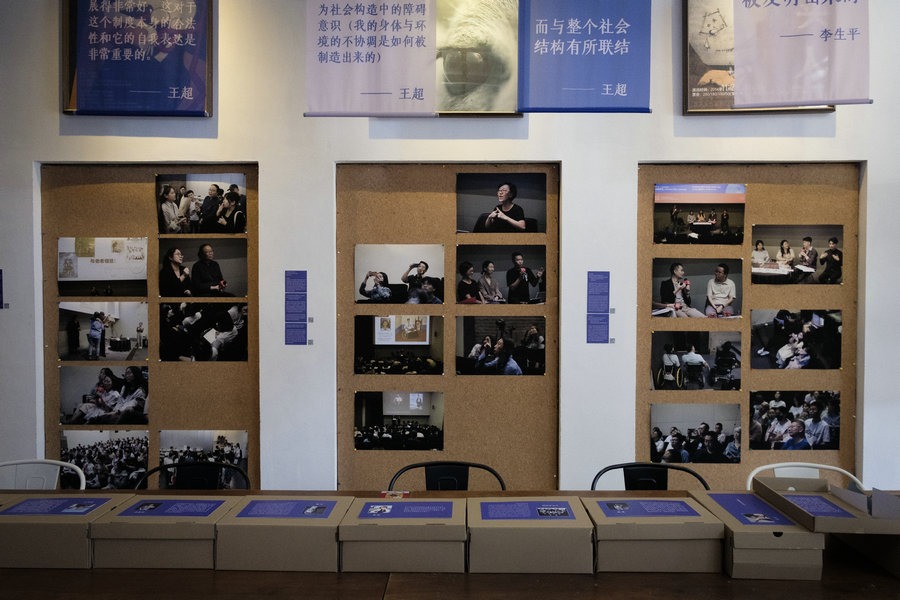
From May 1 to 14, the Drum Tower West Theater in Beijing played host to a retrospective exhibition titled To See The Other, showcasing the culmination of research and activities conducted during the Fifth Luminous Festival. This annual event focuses on inclusive arts and aims to foster a sense of unity and understanding among diverse communities.
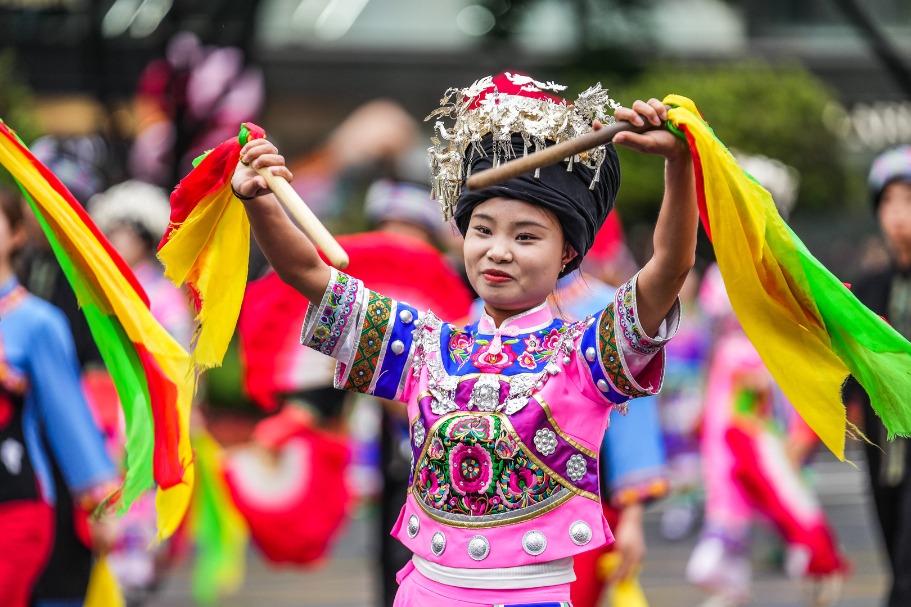
Located in the southwest of China, Guizhou province is abundant in tourism resources, featuring attractive natural ecology and rich ethnic customs. Guizhou boasts internationally renowned sites such as Huangguoshu Waterfall and Libo Seven Small Arches, as well as diverse forms of ethnic intangible cultural heritage.
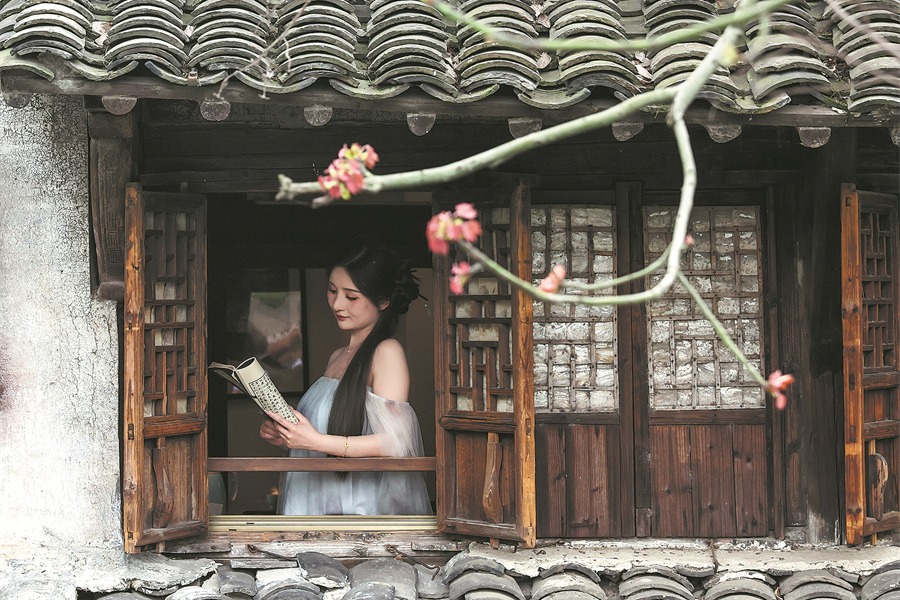
Throughout many centuries of history, the Grand Canal of China that traverses north and south has nurtured countless towns and villages along its path. These ancient towns, preserved through the ages thanks to their symbiotic relationship with the canal, stand as the finest witnesses and custodians of civilization.
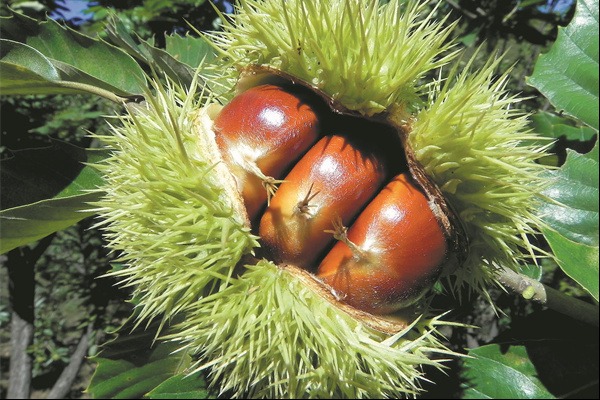
Farmer Liu Jingyi would play at the family chestnut tree just outside their yard when he was a child, climbing up its branches and into the hollow of its trunk.

In China, the dragon has special and enduring cultural connotations. With this year marking the Year of Dragon, the fifth animal in the traditional Chinese zodiac, there are dragon decorations everywhere. In fact, the first dragon images were being made about 8,000 years ago. Since then, a dazzling number of exquisite artifacts have been created using this motif.
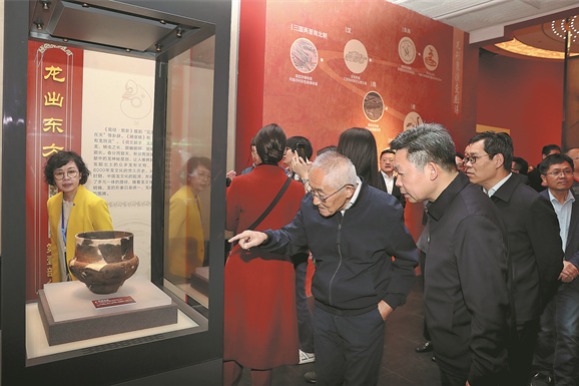
Cultural heritage experts and officials gathered in Beijing to discuss the integrated development of archaeology and museum studies at a seminar organized by the History Research of China, the Institute of Archaeology at the Chinese Academy of Social Sciences and the Chinese Archaeological Museum on April 29 and 30.

Presented by Chinaculture Registration Number: 京ICP备13028878号-4
Copyright © Ministry of Culture and Tourism, P.R.China. All rights reserved
Presented by Chinaculture Registration Number: 京ICP备13028878号-4
Copyright © Ministry of Culture and Tourism, P.R.China. All rights reserved






 京公网安备 11010502035176号