



Australia returned two precious cultural relics and a fossil and donated an artifact and an art piece to China in a handover ceremony on Wednesday at the Chinese embassy in Canberra.
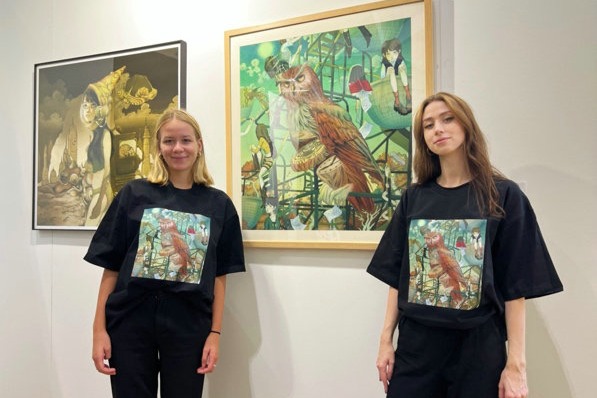
Art Market Budapest opened its doors between Oct 19 and 22 at the eye-catching Balna in Hungary. Among the participants, Chen Yanran, an 18-year-old emerging illustrator from China, graced this prestigious gathering.
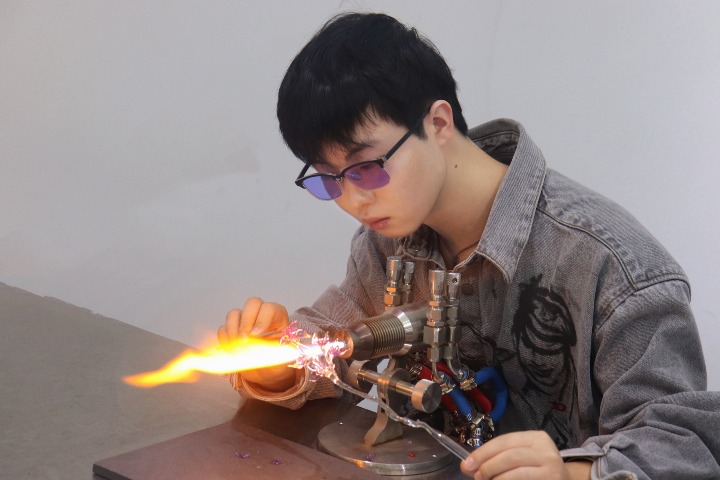
Using a torch that produces arrow flames of more than 1,300 C and melting glass tubes to create artwork, 23-year-old He Yang wants to "plant" a flowery spectacle representing all the cities in China.
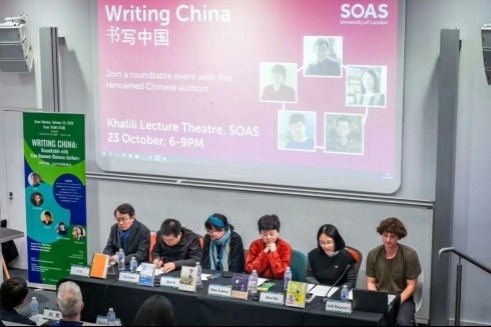
The event "Writing China – Roundtable with Five Renowned Chinese Authors" was held at the School of Oriental and African Studies, University of London, Great Britain, on Oct 22nd.
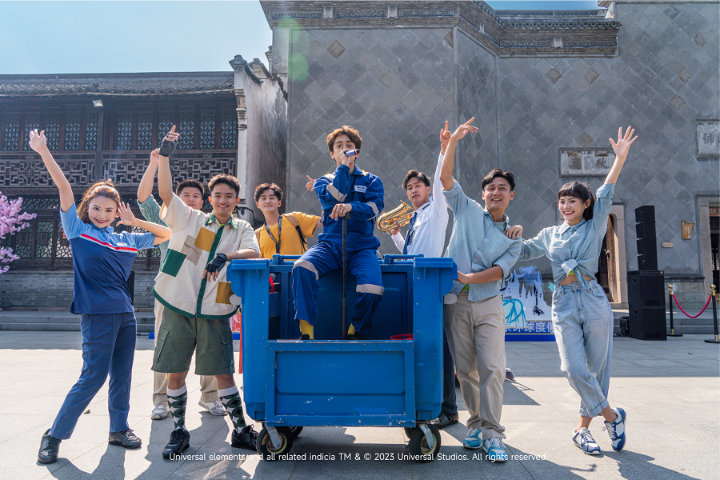
The 10th Wuzhen Theater Festival kicked off on Oct 19 in the canal town of Wuzhen in Zhejiang province with a series of events that include stage performances, competitions, forums, workshops and markets.
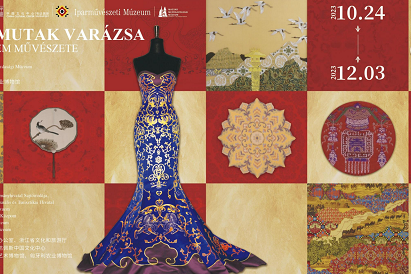
Around 70 reproductions of ancient silk fabrics and contemporary garments from the collection of the China National Silk Museum went on display in Budapest on Oct 24.

Artists from different countries joined in a journey of sightseeing and creating, at the Lushan Mountain, in Jiujiang, Jiangxi province.

"In my childhood, the village was a different world altogether. The houses were old, roads were narrow, and I clearly remember walking several kilometers to the market," recalled Li Jing, 29, currently serving as the director assistant to the village secretary of Maotianping Village Committee in Cuijiaba, a town situated in the Enshi Tujia and Miao autonomous prefecture of Central China's Hubei province. "But now, our village boasts modern, well-constructed homes, wide well-lit roads, and practically every household owns at least one car."

During the past few years, Lin has led the members in providing voluntary services, to help residents improve their family education and their ability to start their own businesses.
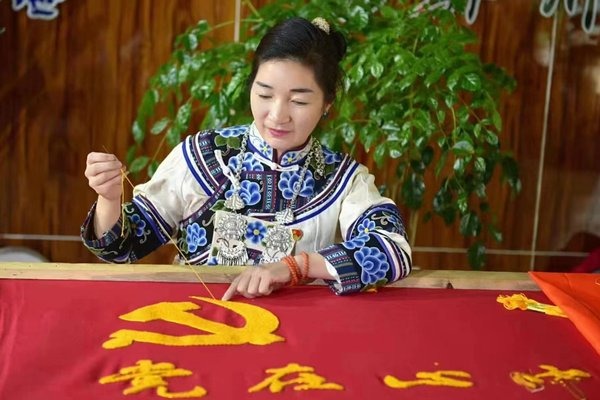
In 2014, China added Yi costumes to the list of the country's items of intangible cultural heritage. Ding is a provincial-level inheritor of Yi costumes.
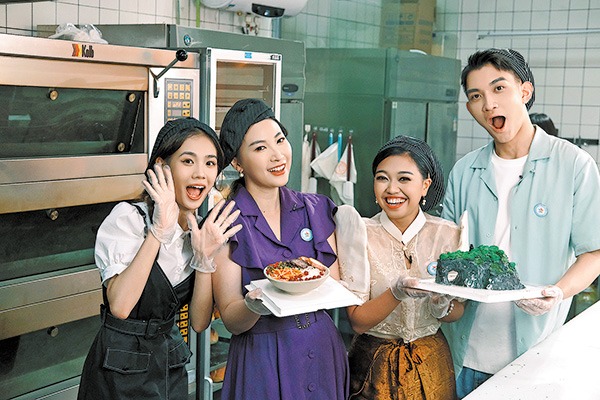
This year, a significant milestone is being celebrated: the 10th anniversary of the Belt and Road Initiative (BRI). It also coincides with the 20th anniversary of the ASEAN (Association of Southeast Asian Nations) China strategic partnership and the founding of the China-ASEAN Expo. These anniversaries mark China's remarkable international collaboration and growth.

The Ningxia Hui autonomous region in Northwest China is a popular destination where diverse natural landscapes and rich cultural heritage converge.

Presented by Chinaculture Registration Number: 京ICP备13028878号-4
Copyright © Ministry of Culture and Tourism, P.R.China. All rights reserved
Presented by Chinaculture Registration Number: 京ICP备13028878号-4
Copyright © Ministry of Culture and Tourism, P.R.China. All rights reserved



 京公网安备 11010502035176号