



Giant animal puppets held up by actors and aerial dancers swinging via red ribbons, all formed part of a puppet show on top of a shopping mall which impressed the audience with its French flavor in the central Chinese city of Changsha on Wednesday.
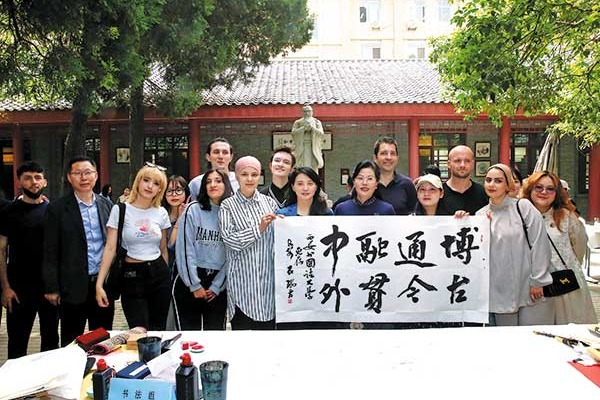
Luminary author Lu Xun (1881-1936) once wrote that the beauty of Chinese characters is present in three aspects: their meaning enlightens the mind, their sound touches the ear, and their appearance appeals to the eye.
Imagine entrusting your keys to a security guard for safekeeping, relying on a neighbor to tend to your plants and pets while you are away on vacation or sharing the responsibilities of after-school childcare with other working parents.
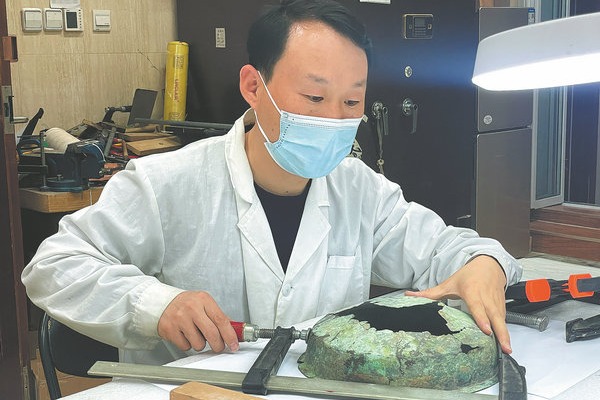
Clad in a white coat and wielding tools akin to surgical instruments, Ren Wei describes his daily work as a practice of healing, like a doctor tending to patients.

Book shows how reason and logic can help grasp subject, Yang Yang reports.

The Saudi Ministry of Culture announced the establishment of the Prince Mohammed bin Salman Award for Cultural Cooperation in Beijing in spring.

Every week, Feng Qiuxia and her husband visit her 88-year-old mother, who lives in Qingmingqiao, a historical block along the ancient Grand Canal in Wuxi, Jiangsu province.
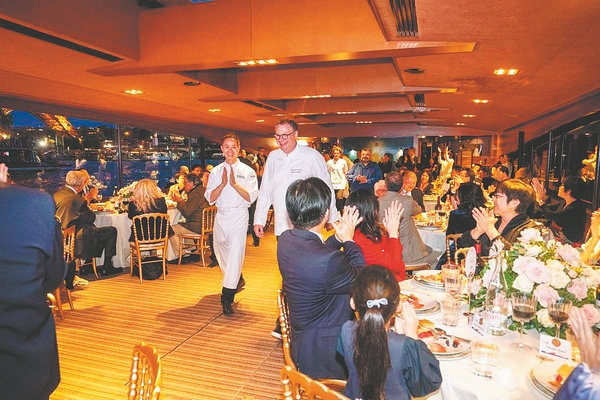
French scallops with pineapple, Brittany lobster with fried rice and mille-feuille of red fruits with Bourbon vanilla are just a few of the signature dishes featured at a Sino-French gastronomy festival, set aboard a boat along the Seine.

A small Beijing theater has proved a big hit among youth and is celebrating its 10th year with two productions, Chen Nan reports.

The 16th International Piano Competition of Oleans, an important music event in France, has expanded to the Asia Pacific region for the first time this year, with the first phase of the competition taking place at Shanghai Conservatory of Music on May 11-12.

The West Lake scenic area, in the heart of Hangzhou, Zhejiang province, has entered one of its most beautiful moments, enriched by floral blossoms, lush plants, tranquil waters and mist-covered mountains to generate poetic feelings.

The Hong Kong Jockey Club and the Palace Museum in Beijing signed an agreement on Friday in the museum to launch a framework of long-term cooperation.

Presented by Chinaculture Registration Number: 京ICP备13028878号-4
Copyright © Ministry of Culture and Tourism, P.R.China. All rights reserved
Presented by Chinaculture Registration Number: 京ICP备13028878号-4
Copyright © Ministry of Culture and Tourism, P.R.China. All rights reserved



 京公网安备 11010502035176号