



Around 80 experts from universities and archaeological institutions nationwide attended an academic symposium on China's frontier archaeology in Yining city of Ili Kazak autonomous prefecture in Northwest China's Xinjiang Uygur autonomous region on Tuesday.
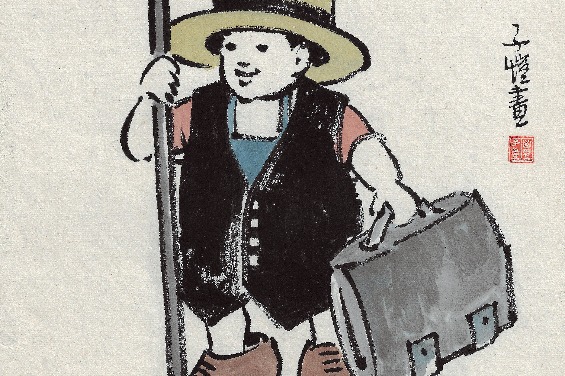
Songs and classic Chinese poetry and painting inspire a renowned former teacher's comics, giving visitors to an exhibition in his honor an opportunity to peek inside his mind, Lin Qi reports.
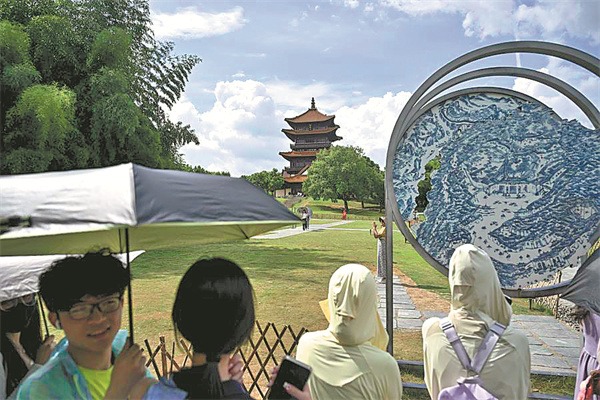
At the International Ceramic Studio of China's Jingdezhen Ceramic University, Turkish artist Pelin Dal meticulously fires shards in a spectrum of glazes before reassembling them into striking new forms, blending Turkiye's traditional mosaic techniques with the art of porcelain.
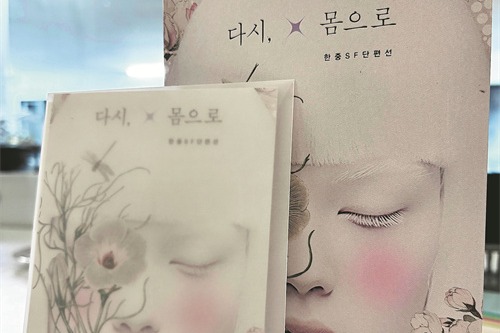
Chinese and South Korean sci-fi writers collaborate on anthology, using the genre to redefine the feminine form and convey concrete experiences, Yang Yang reports.
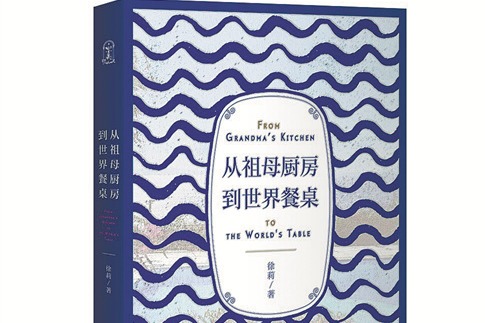
Sometimes, the most profound and moving connections are born in the simplest places — a modest kitchen, a family dining table, or a heartfelt book.
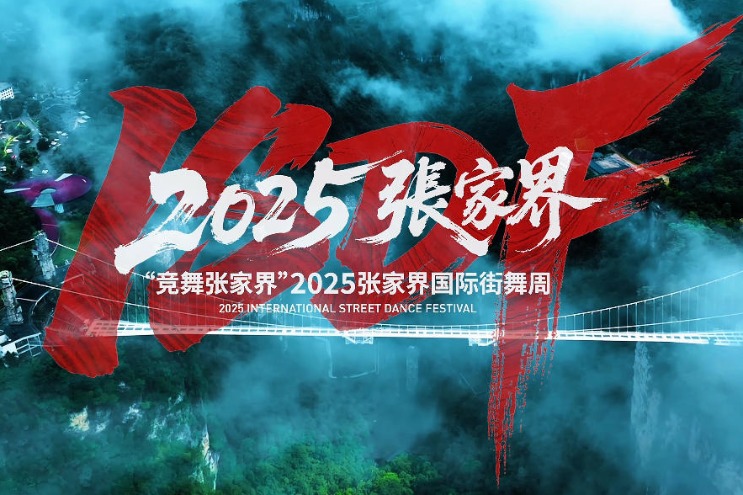
The 2025 International Street Dance Festival will take center stage in Zhangjiajie, Central China's Hunan province, from Sept 11 to 15.
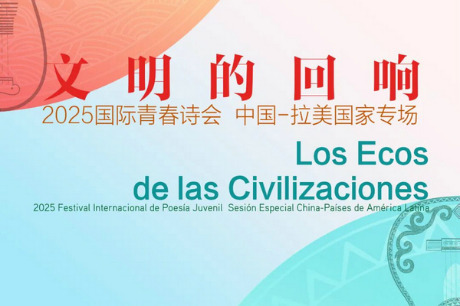
The second International Youth Poetry Festival—Special Session for Latin American countries is slated to begin on Sept 15 in Xi’an, Shaanxi province.
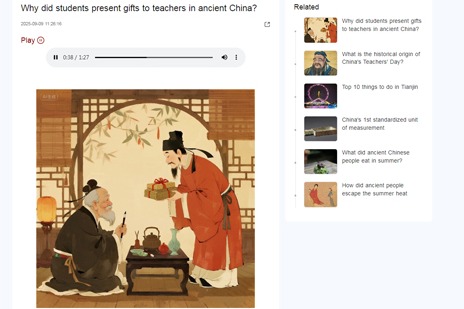
As Wednesday is Teachers' Day in China, Chinese Culturepedia, an English-language knowledge platform developed by China Daily, is celebrating with a major upgrade — a multilingual website matrix and full-scenario text-to-speech services.
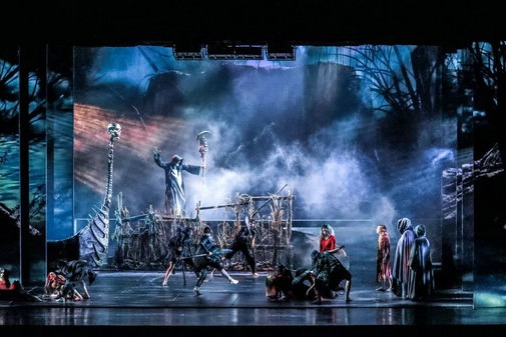
The Divine Comedy Musical, adapted from the world-renowned epic masterpiece La Divina Commedia (The Divine Comedy) by Italian writer Dante Alighieri, was staged at The Hong Kong Polytechnic University from Sept 4 to 7.
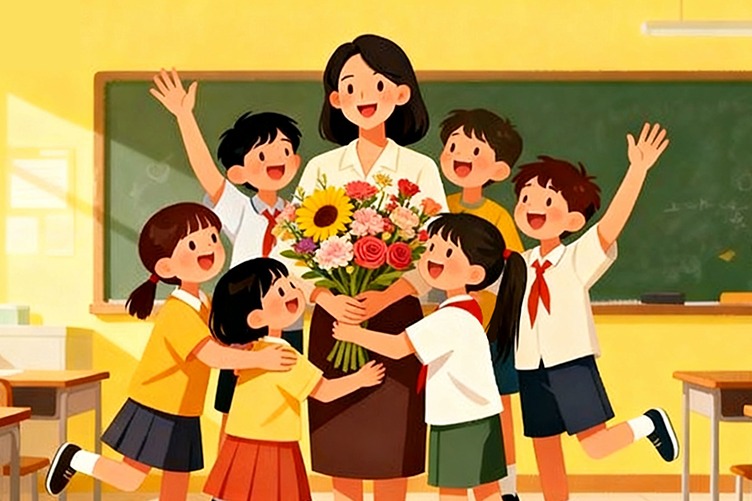
Teachers' Day is a special occasion to honor the dedication of educators who shape future generations. Although the dates and traditions vary around the world, the spirit of gratitude is universal.
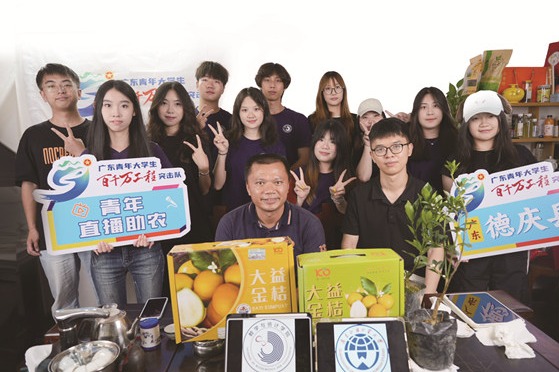
University students bring education and innovation to rural communities, linking personal growth with Guangdong's revitalization project.
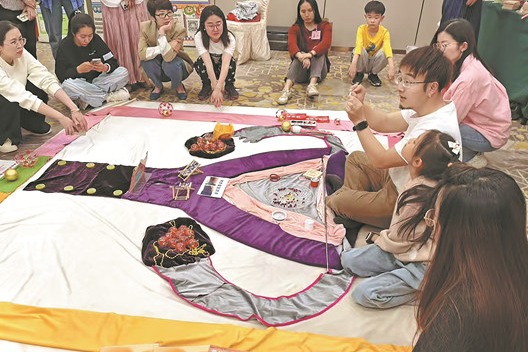
By questioning stereotypes and teaching empathy, Male Virtue Academy encourages boys to grow beyond rigid definitions of masculinity and manhood.

Presented by Chinaculture Registration Number: 京ICP备13028878号-4
Copyright © Ministry of Culture and Tourism, P.R.China. All rights reserved
Presented by Chinaculture Registration Number: 京ICP备13028878号-4
Copyright © Ministry of Culture and Tourism, P.R.China. All rights reserved



 京公网安备 11010502035176号