


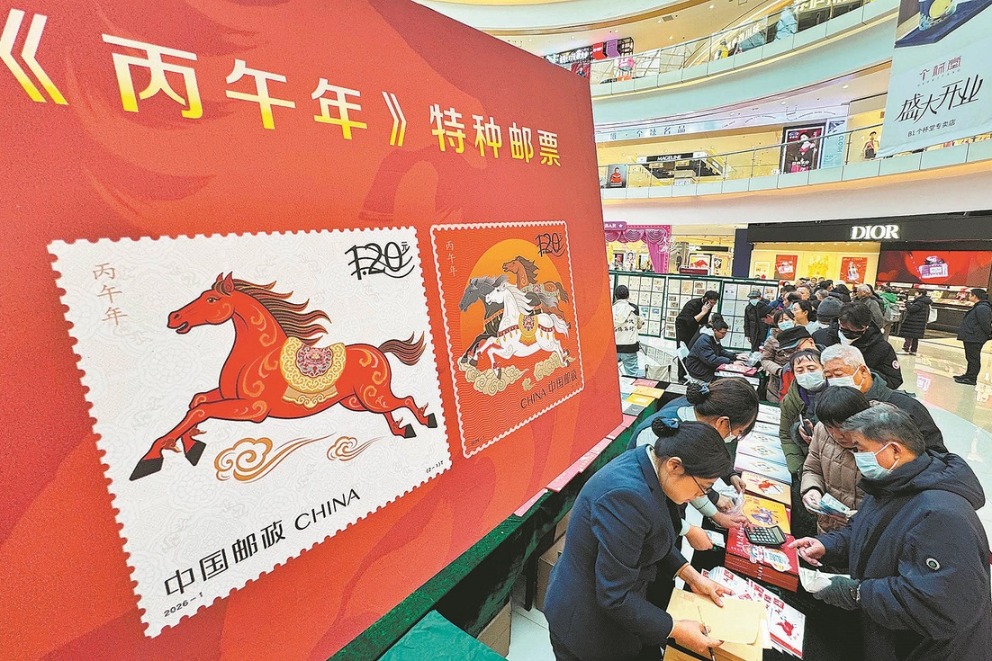

In the Old Town of Lijiang, Yunnan province, you can step into a world where culture and nature converge.
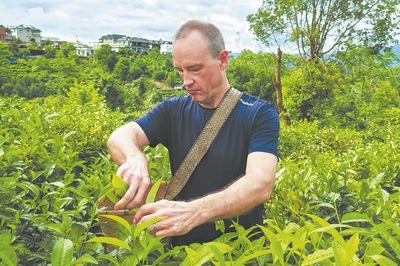
When I arrived in China to teach law, I didn't expect to come home with so much tea. Nor did I expect what the tea would come to mean.
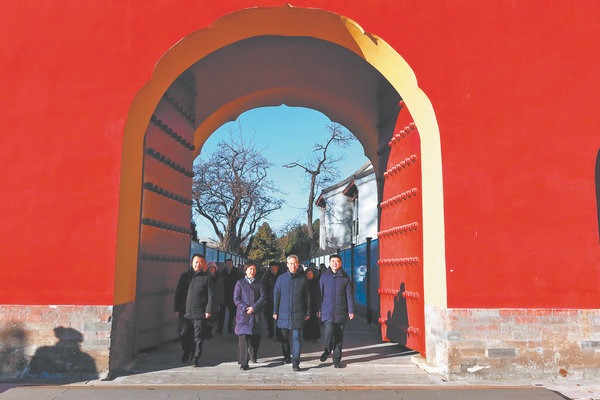
The handing over of a school campus to Xiannongtan's conservation authorities helps advance efforts to restore the imperial altar and a field of worship, Wang Qian reports.
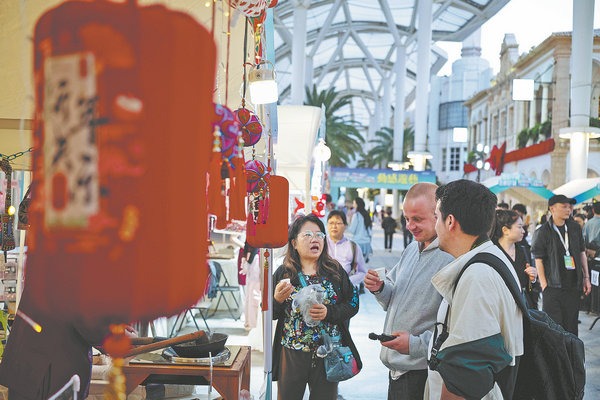
The "Finest Cultural Gifts From China" Cultural and Tourism Trade Promotion Campaign, themed "Creativity Illuminates Life", was held in late December at the Macao Fisherman's Wharf.

Lijiang offers diamonds in the clear sky for visitors seeking the self-healing powers of astronomy, Li Yingxue reports.

A newly released book guides readers through the dramatic landscapes and natural resources of Xinjiang, underpinning its splendor and modern development, Fang Aiqing and Mao Weihua report in Urumqi.
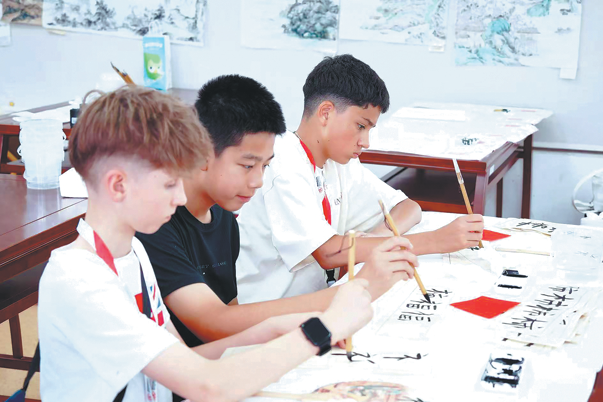
Memories take Katharine Carruthers back to when she began studying Chinese at Durham University more than 40 years ago, a time when the subject was far less common in the United Kingdom than it is today.
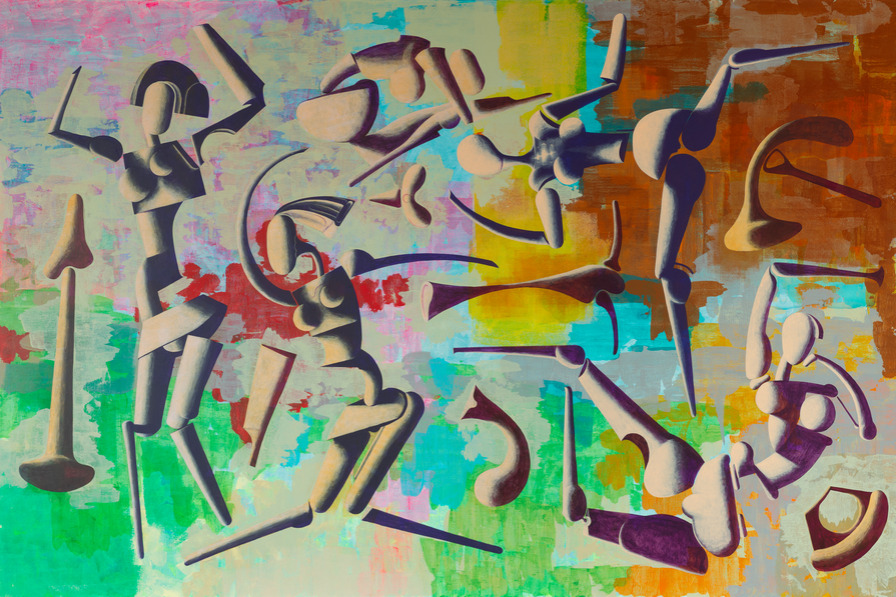
Artists and scholars from across the world joined a forum in Beijing to discuss the diverse expressions of contemporary art in addressing the continuity of cultural heritage and changing relations between humans and technology in an AI-integrated era.
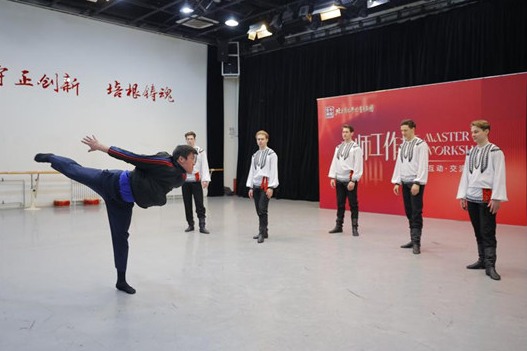
Beijing Dance Academy became the stage for a remarkable cultural exchange on Jan 1, as the BDA Youth Dance Troupe joined Russia's renowned Beryozka Dance Ensemble in a celebration of the art of dance.
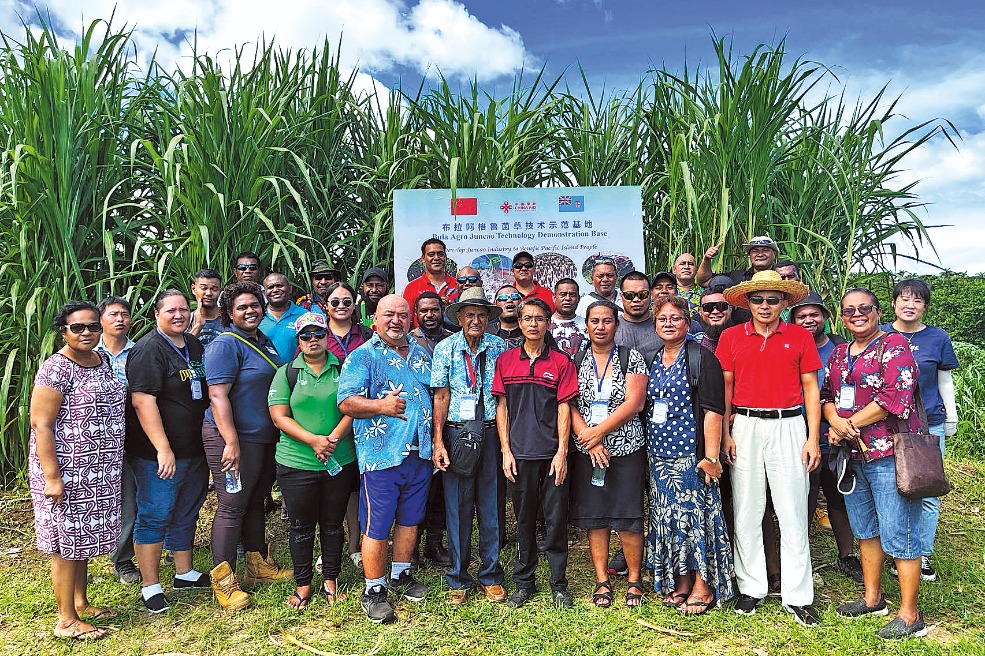
The past year not only marks 50 years of diplomatic relations between China and the Pacific Island country of Fiji, but also celebrates 170 years of deep personal ties between the peoples of the two countries.
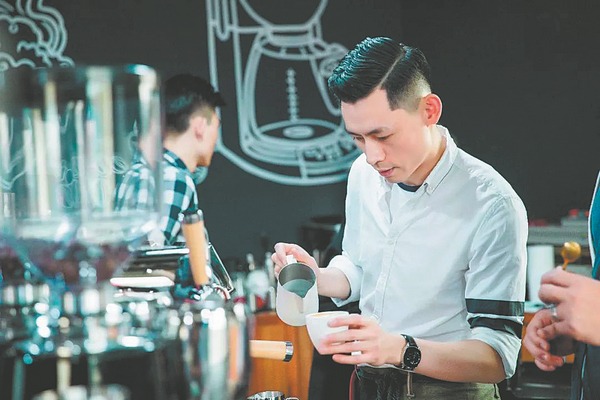
Given just 15 minutes, a World Barista Championship competitor must prepare 12 coffees - four espressos, four milk-based beverages, and four espresso-based signature drinks - while simultaneously explaining the roasting parameters, brewing variables, and how their chosen theme connects to flavor.

Presented by Chinaculture Registration Number: 京ICP备13028878号-4
Copyright © Ministry of Culture and Tourism, P.R.China. All rights reserved
Presented by Chinaculture Registration Number: 京ICP备13028878号-4
Copyright © Ministry of Culture and Tourism, P.R.China. All rights reserved



 京公网安备 11010502035176号