



Chinese researchers are working on a scientific survey to measure the depths of major lakes in Hoh Xil in the northwestern part of the Qinghai-Tibet Plateau, the Chinese Academy of Sciences (CAS) said Wednesday.
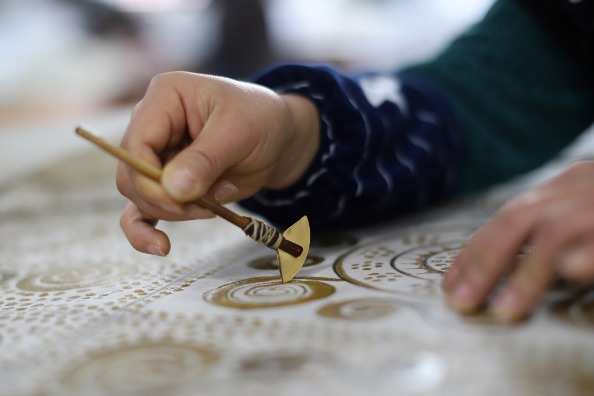
The leaves of a traditional Chinese herb have become an inseparable ingredient of a promotional campaign for the distinctive ethnic culture in Southwest China's Guizhou province.

An offline exploration center themed with the most popular novels of Jin Yong will be established in the city of Wuxi, East China's Jiangsu province.

World Athletics launched on Tuesday Athletics At Home, a new series designed to help people of all ages to keep fit at home during the global fight against the COVID-19 pandemic.

For the first time in over 70 years, a series of festivals that transform Edinburgh into the world's leading cultural destination every August are not going ahead as planned due to concerns over the COVID-19 pandemic, the organizers said Wednesday.
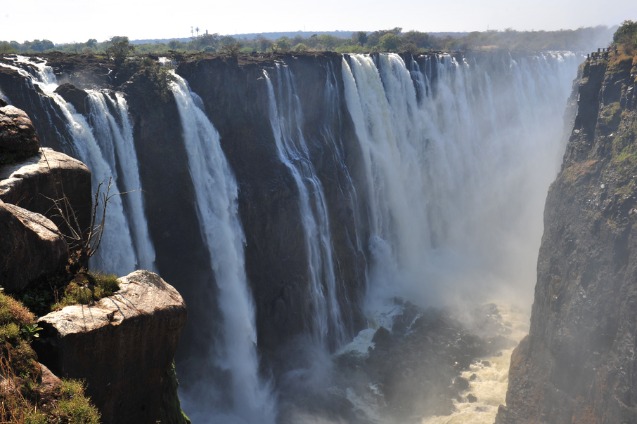
The Victoria Falls, a world heritage site, has been closed indefinitely with immediate effect, the Zambian government announced Wednesday.

A new specification details procedures for individual diners, shared dishes, and personal and serving chopsticks at restaurants, Li Yingxue reports.

Shops and eateries have reopened and roads are bustling again after hundreds of millions of people nationwide spent weeks confined to their homes or neighborhoods.
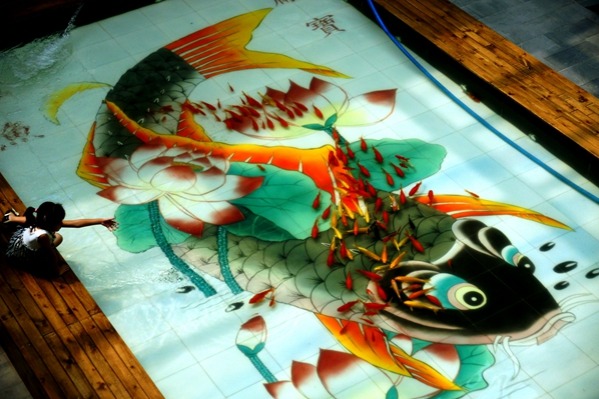
In a workshop around 20 kilometers from downtown Tianjin, 85-year-old Wang Xueqin takes out a wooden block and brushes ink on the board before he places rice paper onto it and rubs the surface with a special tool.

Tsinghua University's Tour-Portrait exhibition may be over, but the show's culturally diverse works can still be experienced virtually, Lin Qi reports.

According to a recent report from the Center for Exhibition Industry, 50 business-to-business (B2B) exhibitions in the US had been canceled as of March 15, which resulted in a loss of $318 million in show organizer revenue.
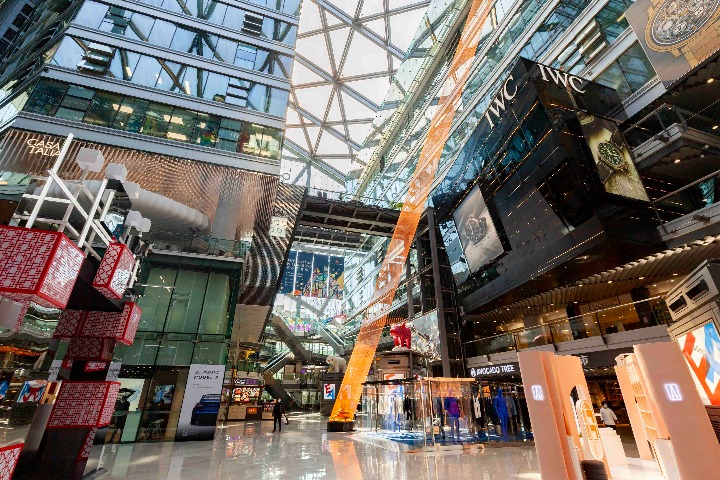
Parkview Green in Beijing has resumed its normal opening time today with comprehensive pandemic prevention.

Presented by Chinaculture Registration Number: 京ICP备13028878号-4
Copyright © Ministry of Culture and Tourism, P.R.China. All rights reserved
Presented by Chinaculture Registration Number: 京ICP备13028878号-4
Copyright © Ministry of Culture and Tourism, P.R.China. All rights reserved



 京公网安备 11010502035176号