




In celebration of China Cultural and Natural Heritage Day, which falls on Saturday, Xinjiang Uygur autonomous region launched the eighth intangible cultural heritage week in Turpan city.
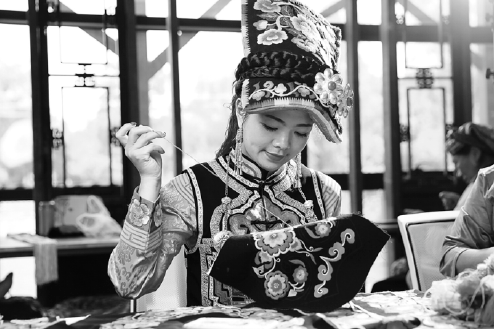
The culture of an ethnic group is undergoing a revival that is also helping pull people from poverty.
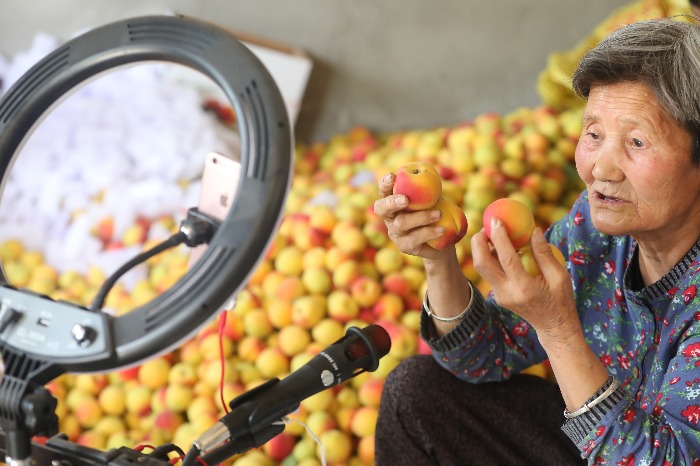
Individuals in remote communities are proving that you don't need to abandon your hometown to have a good life.

With the help of automation and smart technology, residents of one of China's driest areas are getting affordable clean water instead of yearning for rainfall.
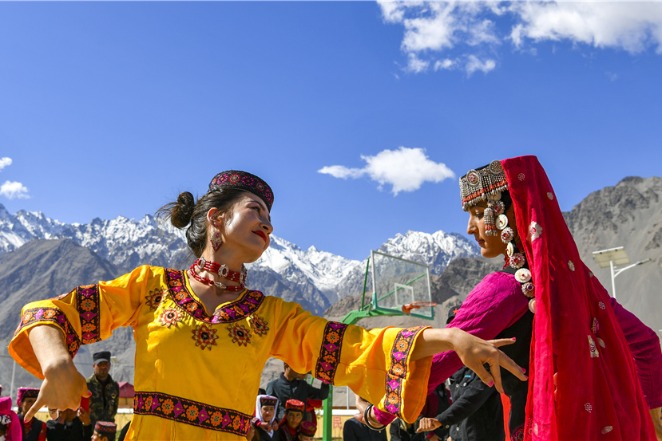
Trekking in the mountains and waters in the hope of offering a cultural feast to the villagers, the performers put on show some of their best acts that are also listed as national intangible cultural heritage-Tajik eagle dance and folk songs.

Luigi Ferella has paved the way, literally, for champions worldwide. One of his proudest masterpieces is the 100-meter track in China's "Bird's Nest" National Stadium which saw Jamaican Usain Bolt smash the world record in a time of 9.69 seconds during the 2008 Beijing Olympic Games.

Jean Pierre Khoury, a 29-year-old Lebanese man, starts his day at 6 am every morning, juggling between his volunteering work at the Lebanese Red Cross and his Chinese language course at the Confucius Institute at the Universite Saint Joseph in Beirut.

The China Cultural Center in Rabat has launched an online exhibition of intangible cultural heritage from Southwest China's Sichuan province, in celebration of the China Cultural and Natural Heritage Day, which falls on Saturday.
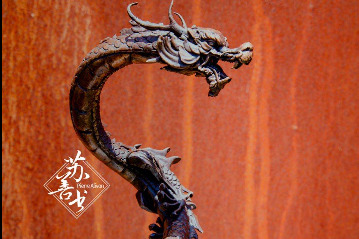
Pierre Alivon, a French photographer and sculptor, took thousands of photos of Beijing's bleak street scenes in February when the country was battling the viral outbreak at full tilt. Meanwhile, he has tried to reflect the devotion and fearless spirit he perceived in his random subjects in a sculptu
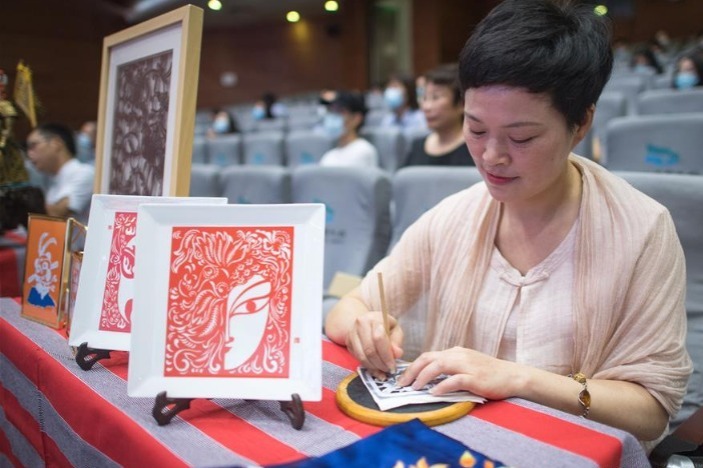
Dough modelling artist Liu Jie shows his craft during an intangible cultural heritage shopping festival at the Hubei Provincial Library in Wuhan, capital of Central China's Hubei province, June 11, 2020.
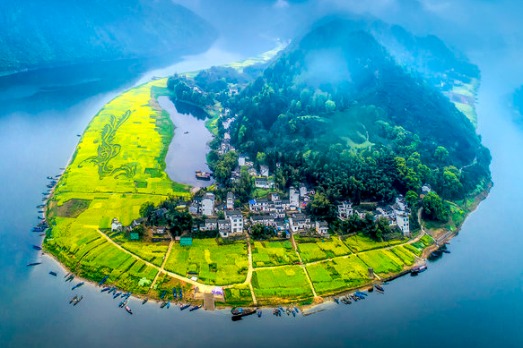
To celebrate Cultural and Natural Heritage Day, which falls on June 13 this year, and let South Korean people know more about China, the China Tourism Office in Seoul recently launched a photo exhibition on its website and social media platforms.

Presented by Chinaculture Registration Number: 京ICP备13028878号-4
Copyright © Ministry of Culture and Tourism, P.R.China. All rights reserved
Presented by Chinaculture Registration Number: 京ICP备13028878号-4
Copyright © Ministry of Culture and Tourism, P.R.China. All rights reserved



 京公网安备 11010502035176号