



A remarkable collection of art, lost for centuries in the sands of the Gobi Desert before being taken to Russia, has been digitally reunited and is now on display in China for the first time.

At the display case of the Inner Mongolia Museum in Hohhot, Inner Mongolia autonomous region, visitors lean in to gaze at a wooden slip about 23 centimeters long.
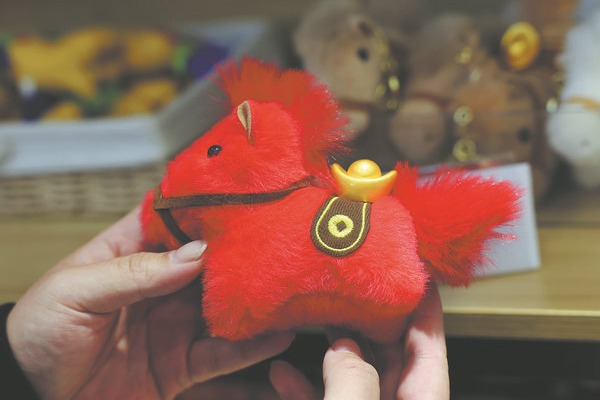
Move over Labubu. Equine collectibles and keepsakes are capturing the hearts — and wallets — of consumers in the run-up to Chinese New Year.

Universal Music Greater China launched its bold new initiative, "Go East", on Jan 22 at a star-studded event in Beijing, marking the official debut of the newly established international cooperation department.

China Media Group held the second rehearsal for the 2026 Spring Festival Gala in Beijing on Sunday, heralding the arrival of one of China's most anticipated annual events. The gala, scheduled to air on the eve of the Chinese New Year, is a vibrant reflection of the nation's progress, unity, and the warmth of familial bonds.

The legendary singer Jacky Cheung brought his highly anticipated 60+ World Tour Hong Kong Finale to a triumphant close at the Hong Kong Coliseum on Saturday, with a packed audience in attendance.
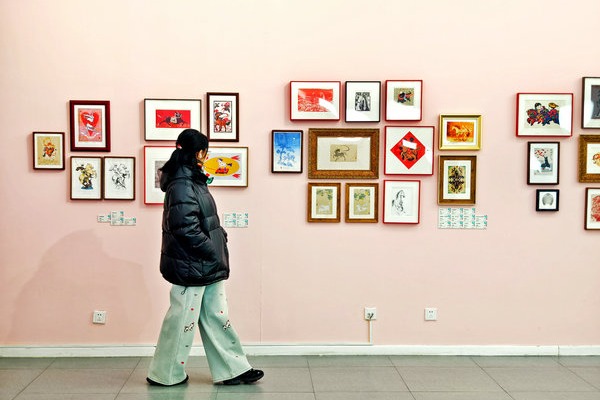
The National Art Museum of China in Beijing is providing art students with the opportunity to see how classroom learning translates into works that resonate with the public.
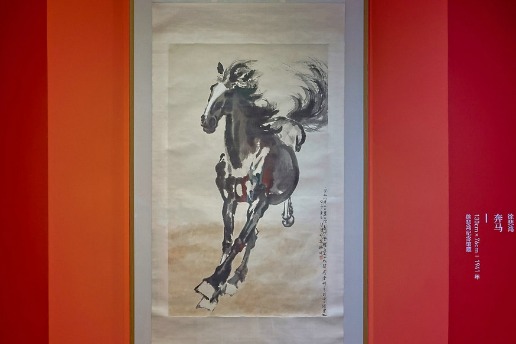
No words can summarize the relationship between Xu Beihong, Qi Baishi and Zhang Daqian, three eminent reformers of 20th-century art, better than the Chinese idiom, xing xing xiang xi, which translates to mutual recognition between the wise, or like minds that admire each other.
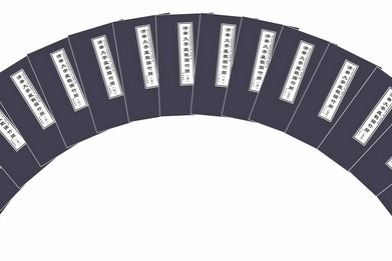
Researchers studying the Tsinghua Bamboo Slips have identified what they describe as the earliest known specialized material on horse management in China, unveiling the findings at a book launch for The Tsinghua University Warring States Bamboo Manuscripts (Vol XV) on Jan 19.
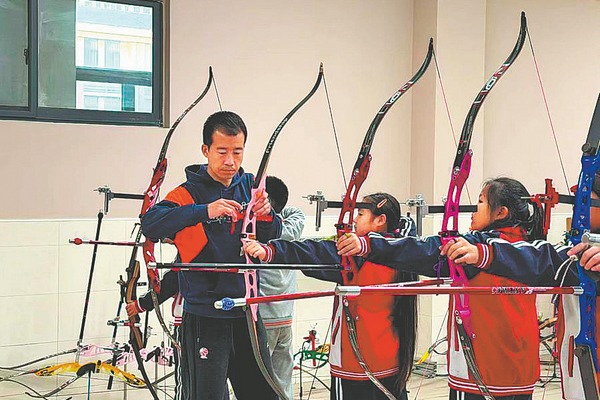
JINAN — At 4 pm, more than 30 students practice basic archery techniques in the Jinxiucheng Primary School training room in Jinan, the capital of East China's Shandong province.

On the eighth day of the 12th month on the Chinese calendar, the aroma of laba porridge will drift across China, signaling the arrival of the Chinese New Year season.
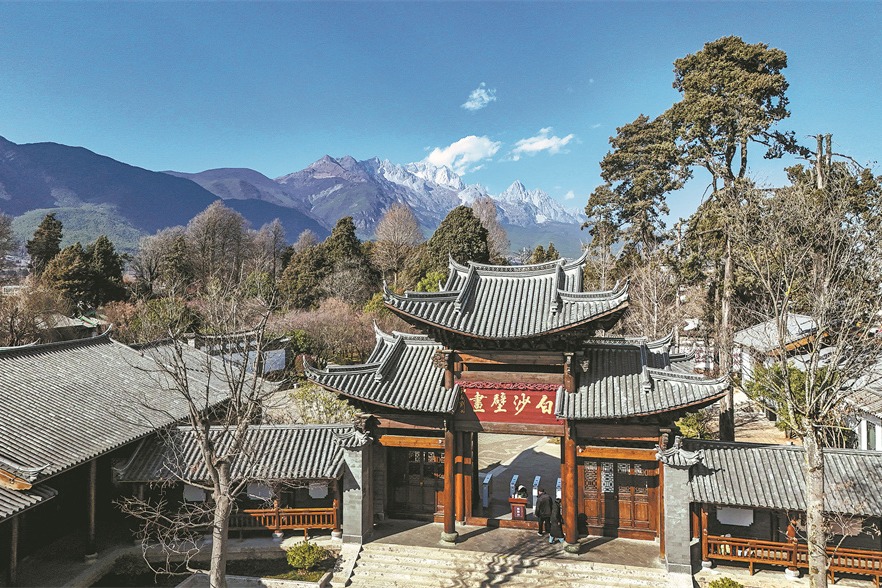
In the quiet hour before dawn, when Baisha ancient town still slumbers at the foot of Yulong Snow Mountain in Lijiang, Yunnan province, 57-year-old Yang Zhijian begins his daily work.

Presented by Chinaculture Registration Number: 京ICP备13028878号-4
Copyright © Ministry of Culture and Tourism, P.R.China. All rights reserved
Presented by Chinaculture Registration Number: 京ICP备13028878号-4
Copyright © Ministry of Culture and Tourism, P.R.China. All rights reserved



 京公网安备 11010502035176号