


In 2003, college graduate Deng Xiaojun joined the Jiuquan Satellite Launch Center in Northwest China's Gobi Desert.
When the Beijing Foreign Studies University (BFSU) celebrated its 80th birthday late last month, Colin Mackerras sat quietly in his house more than 8,000 km away in Brisbane, Australia, thumbing through the old photos.
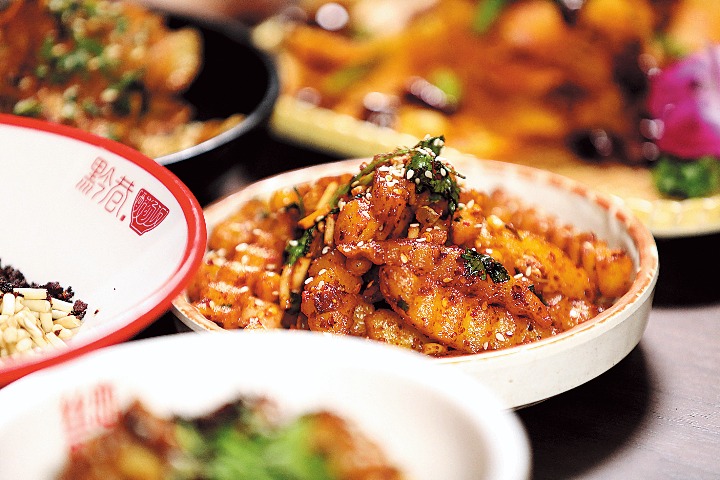
A television show takes viewers on a tour of cities' culinary attractions, Zhang Lei reports.
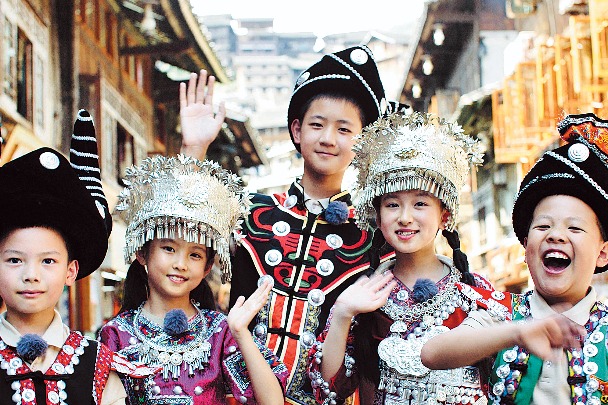
In less than half a day, Dai Qi'er, an 11-year-old girl from Southwest China's Sichuan province, made a "journey through time".
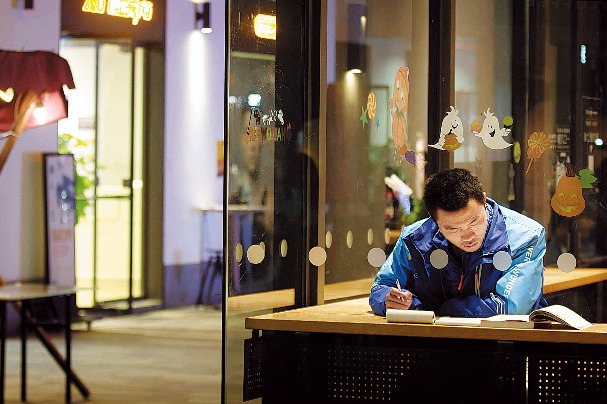
Documentary tells stories of ordinary people as they seek out their place in modern Chinese society, Wang Ru reports.

Donghua University alumni have become a common sight at the annual Shanghai Fashion Week.

Donghua University has contributed significantly to the development of China's textile industry over the past 70 years, He Qi reports in Shanghai.
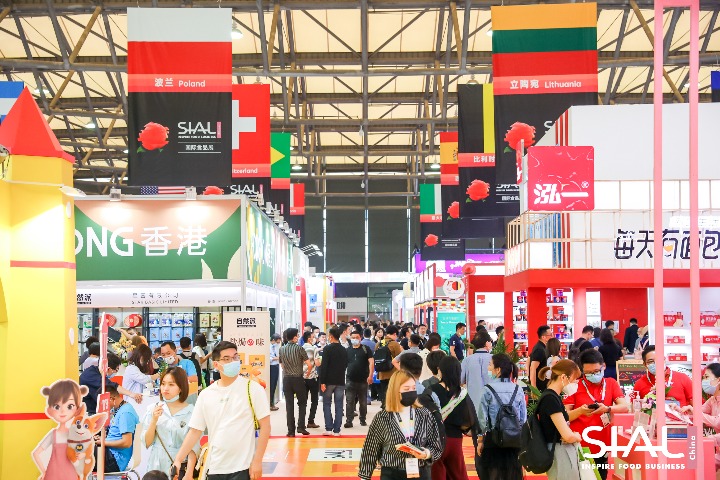
One of the world's biggest food and beverage exhibitions, SIAL, will be held in Shanghai from May 18 to 20, 2022.
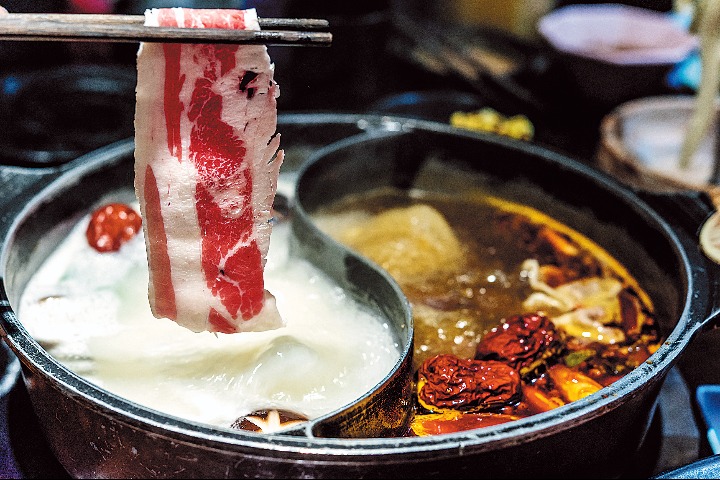
As the days grow colder, follow the herd to the nearest mutton hotpot restaurant and find a cozy capital welcome, Yang Feiyue reports.
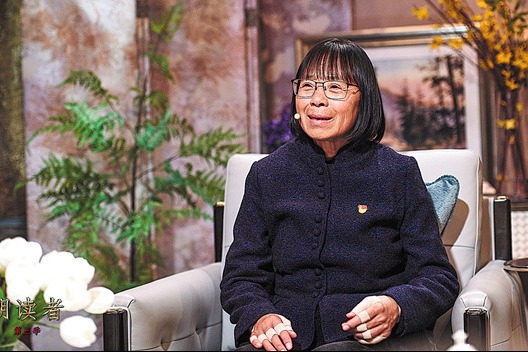
The Reader returns with a fresh sense of purpose, Wang Kaihao reports.
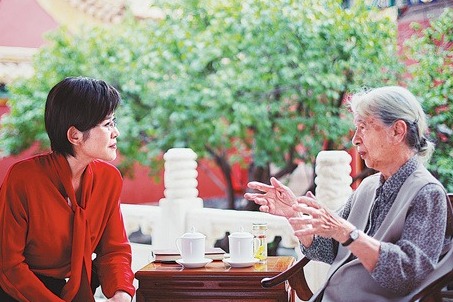
They are octogenarians, nonagenarians, and even centenarians, but age does not seem to be the threshold for them to have emotional resonance among TV viewers from younger generations.
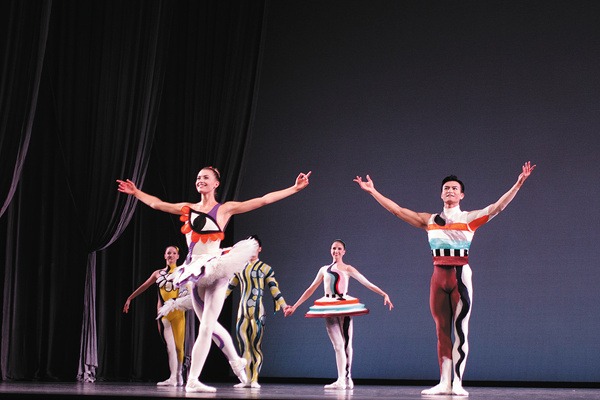
When Chun Wai Chan first arrived in the United States years ago, he didn't think that one day he would join the prominent New York City Ballet.

Presented by Chinaculture Registration Number: 京ICP备13028878号-4
Copyright © Ministry of Culture and Tourism, P.R.China. All rights reserved
Presented by Chinaculture Registration Number: 京ICP备13028878号-4
Copyright © Ministry of Culture and Tourism, P.R.China. All rights reserved



 京公网安备 11010502035176号