
 |
|
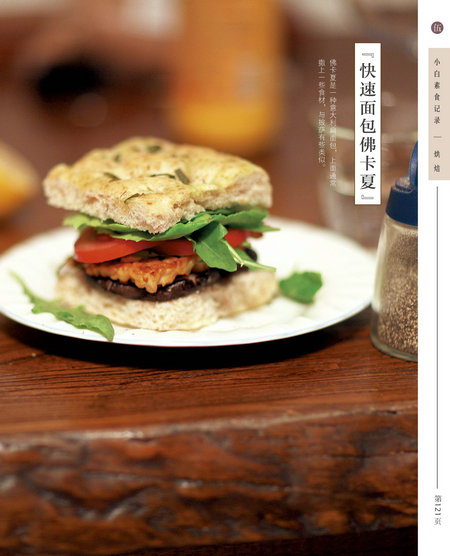
A recipe from vegetarian cook Xiao Bai. [Photo/amazon.cn] |
Qi Min Yao Shu
written in the Southern and Northern Dynasties (420-581), widely recognized as one of the earliest agricultural books in China, recorded 11 vegetarian recipes. The vegetables mentioned in the book included spring onion, leek, wax gourd, mushroom and eggplant.Later vegetarianism became relatively popular in the Tang and Song dynasties (618-1279). According Meng Liang Lu, a book from the Song Dynasty, there were even shops that specialized in vegetarian cakes. The book recorded about 25 kinds of meat-free cakes made from dates and chestnuts.
And the vegetarian food not only enjoyed more categories, but also more lovely names since the Song Dynasty. There was a kind of cake, named "cakes make cats drunk", recorded in a book Qing Yi Lu from the Song Dynasty. The cake was made from peppermint and dill, two plants with a strong odor.
Some temples also became well-known for their delicate vegetarian food. In Qing Bai Lei Chao, a book from the Qing Dynasty (1644-1911), four such famous temples were mentioned: Fa Yuan Temple in Beijing, Ding Hui Temple in Zhenjiang, Bai Yun Temple in Shanghai, and Yan Xia Dong in Hangzhou. And the vegetarian food provided by the last one was the most expensive.
By then, vegetarian food had become a more delicate choice for ancient Chinese.
Li Yu, an aesthetician who was also good at literature, from the Qing Dynasty, praised the vegetarian food as the most valuable delicacy.
"In my opinion, beef, mutton and fish are not as good as meat of wild animals. However, the taste of the latter ones cannot compete with vegetables," Li said in his Xian Qing Ou Ji, a book about his opinions on drama, dance, costume, makeup, architecture and food.

Presented by Chinadaily.com.cn Registration Number: 10023870-7 京ICP备13028878号-4
Copyright © Ministry of Culture and Tourism, P.R.China. All rights reserved










 京公网安备 11010502035176号