 |
 |
 |
 |
 |
 |
|
|
|
|
|
|
| About China > Geography > Local Products |
|
|
||||||
 E-Mail
This Article E-Mail
This Article  Print
Friendly Format Print
Friendly Format |
||||||
|
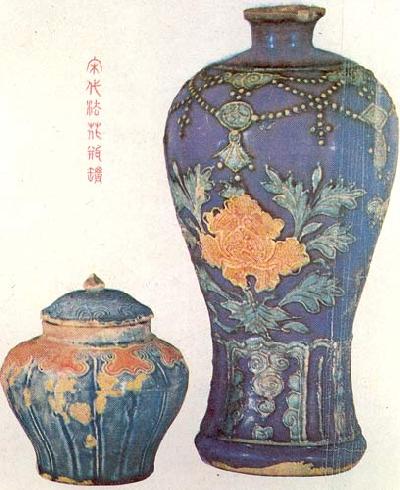
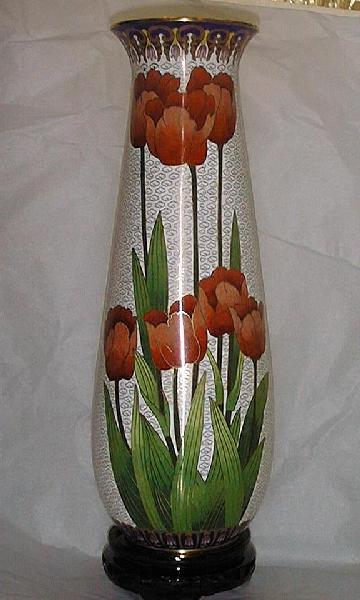
Jingtailan
The making of Jingtailan requires rather elaborate and complicated processes; base-hammering, copper-strip inlay, soldering, enamel-filling, enamel-firing, polishing and gilding. The products are featured by excellent quality. The skill and workmanship have been handed down from the Ming Dynasty. Since the founding of new China, quite a number of new varieties have been created. It enjoys a high reputation both at home and abroad with most of its products for export.
All the products are beautiful and elegant in molding, brilliant and dazzling in colors and splendid and graceful in design. It is a famous local handicraft in Beijing region.
Jingtailan can be found on large objects such as vases and other large utensils and decorative items, as well as small items like earrings, bracelets, chopsticks or jars. |
||||||
 |